
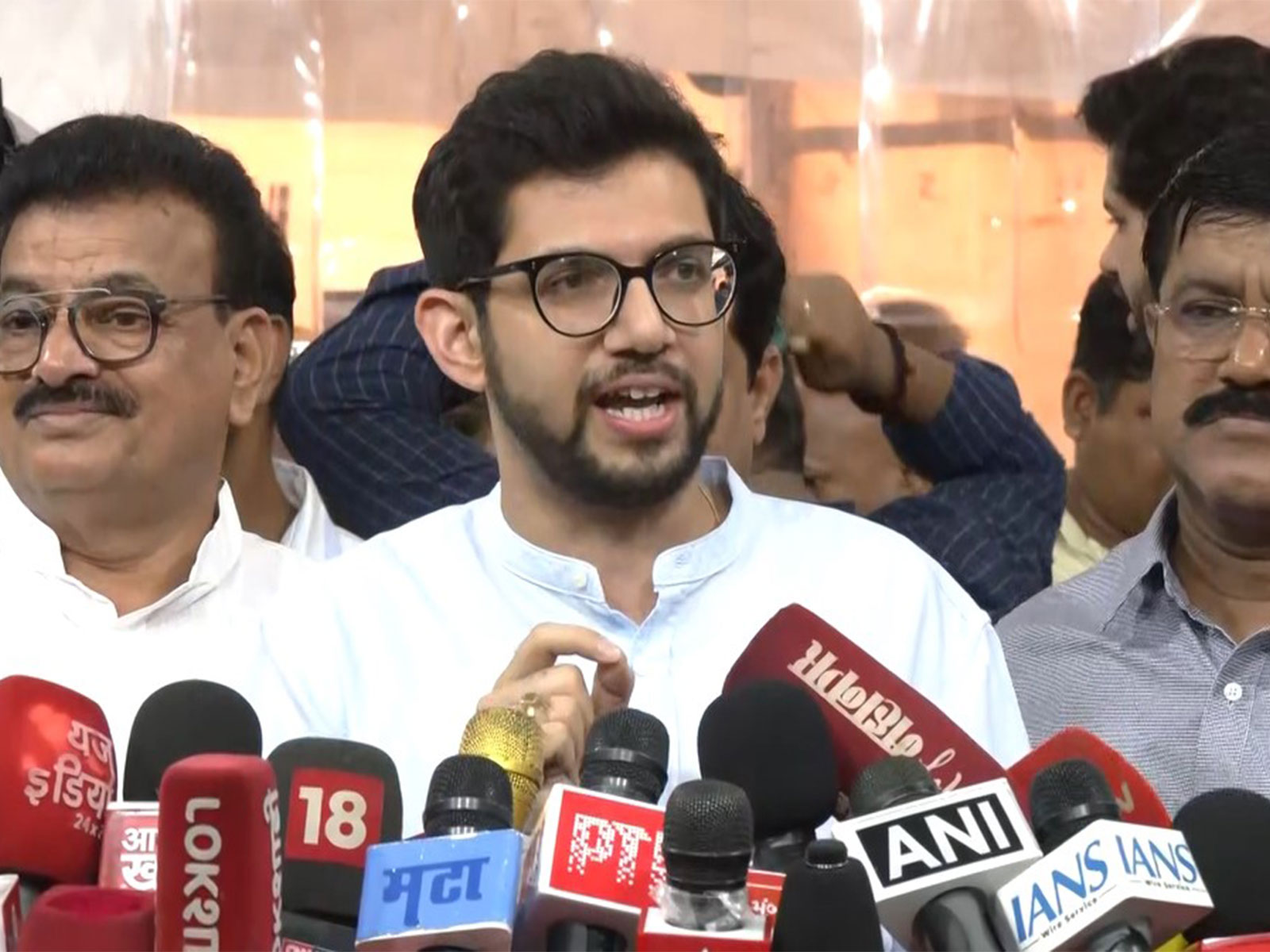
Senior Shiv Sena (UBT) leader Aaditya Thackeray has launched a sharp attack on the Bharatiya Janata Party (BJP), alleging that the ruling party’s larger political objective is to weaken opposition forces across the country in an attempt to reshape the constitutional and democratic framework of India.
Speaking at a public event, Thackeray claimed that the BJP has consistently pursued a strategy of engineering divisions within rival political parties, encouraging defections and internal splits to consolidate its political influence. According to him, such actions are not merely aimed at securing electoral victories but are part of a broader effort to reduce the strength of democratic opposition and alter the balance of India’s political system.
Allegations of Political Engineering
Thackeray argued that several opposition parties have faced internal crises and defections in recent years, which he believes are linked to a deliberate political strategy. He claimed that breaking established political organizations weakens democratic institutions and limits meaningful political competition.
The Shiv Sena (UBT) leader asserted that democracy thrives on a robust opposition capable of questioning those in power. He warned that when opposition parties are systematically weakened, the checks and balances essential to a healthy democracy are compromised.
According to Thackeray, political defections and factional disputes have increasingly become tools used to influence electoral outcomes and reshape state-level political equations. He maintained that such developments raise concerns about the long-term health of democratic institutions.
Concerns Over Constitutional Values
Expanding on his criticism, Thackeray alleged that weakening opposition parties serves a larger ideological purpose. He claimed that by reducing resistance from rival political forces, the BJP seeks to create conditions that could facilitate changes to constitutional principles and governance structures.
He emphasized that the Constitution remains the foundation of India’s democratic identity and should be protected from any attempts to undermine its core values. Thackeray urged citizens to remain vigilant and defend democratic institutions, constitutional safeguards, and the rights guaranteed to all Indians.
The opposition leader stressed that preserving constitutional values requires active public participation and accountability from elected representatives. He argued that political diversity and dissent are essential components of a functioning democracy. 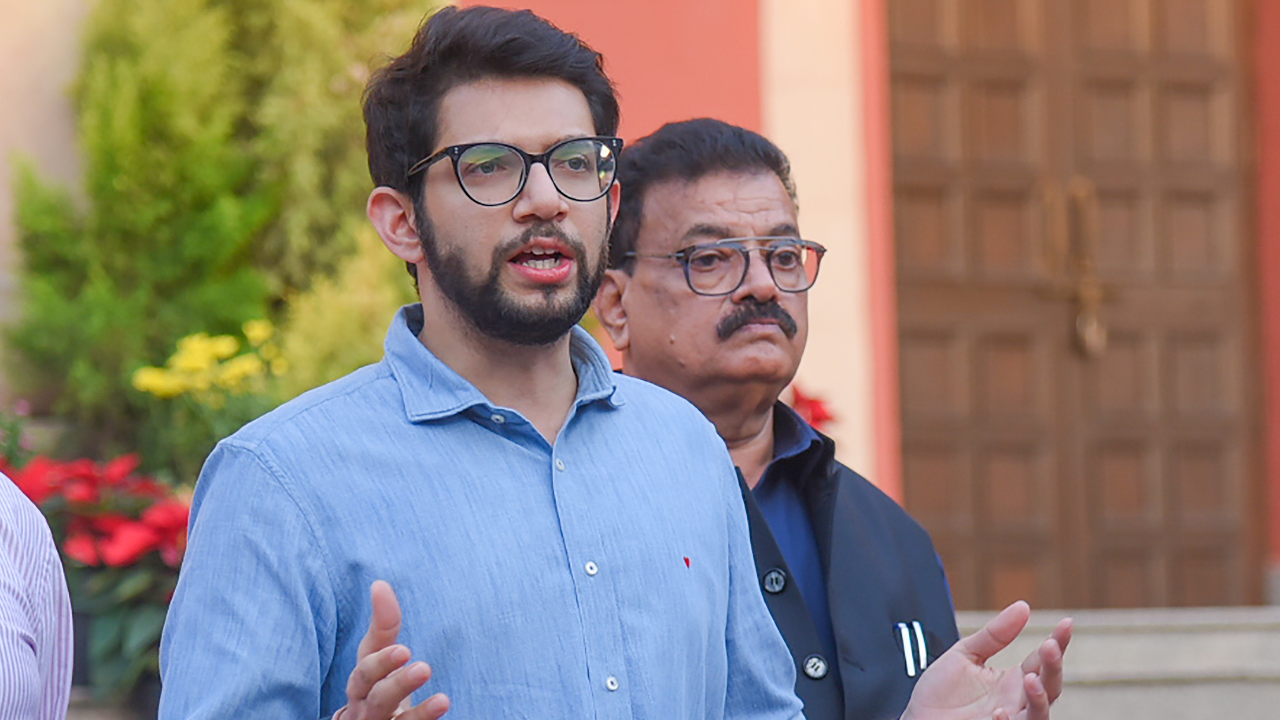)
Maharashtra Politics at the Center of Debate
Thackeray’s remarks come against the backdrop of significant political developments in Maharashtra, where the Shiv Sena witnessed a major split that dramatically altered the state’s political landscape. The division within the party led to a prolonged political battle over leadership, legitimacy, and the party’s future direction.
The Maharashtra experience has often been cited by opposition leaders as an example of how political realignments and defections can reshape governments and party structures. Thackeray suggested that similar patterns have emerged in other parts of the country, reinforcing his concerns about what he described as a systematic political strategy.
BJP Yet to Respond
While Thackeray’s comments have intensified the political debate, the BJP has repeatedly rejected accusations of orchestrating party splits or undermining democratic institutions. The ruling party has maintained that political realignments occur due to ideological differences, leadership disputes, and internal dynamics within opposition organizations.
BJP leaders have consistently argued that elected representatives have the right to make political choices and align themselves with parties that reflect their beliefs and aspirations. They have also emphasized that democratic processes and constitutional mechanisms continue to function effectively under the current government.
Intensifying Political Narrative Ahead of Future Elections
The latest remarks by Aaditya Thackeray underscore the increasingly confrontational nature of Indian politics as parties prepare for future electoral battles. Questions surrounding political defections, party unity, constitutional values, and democratic accountability are expected to remain central themes in the national political discourse.
As the debate continues, both ruling and opposition parties are likely to intensify their efforts to shape public opinion on issues concerning governance, democracy, and the future direction of the country’s political institutions.
The controversy reflects broader concerns about the evolving nature of Indian politics, where ideological battles, constitutional debates, and questions of democratic representation continue to play a significant role in shaping public discussion and electoral strategies.