
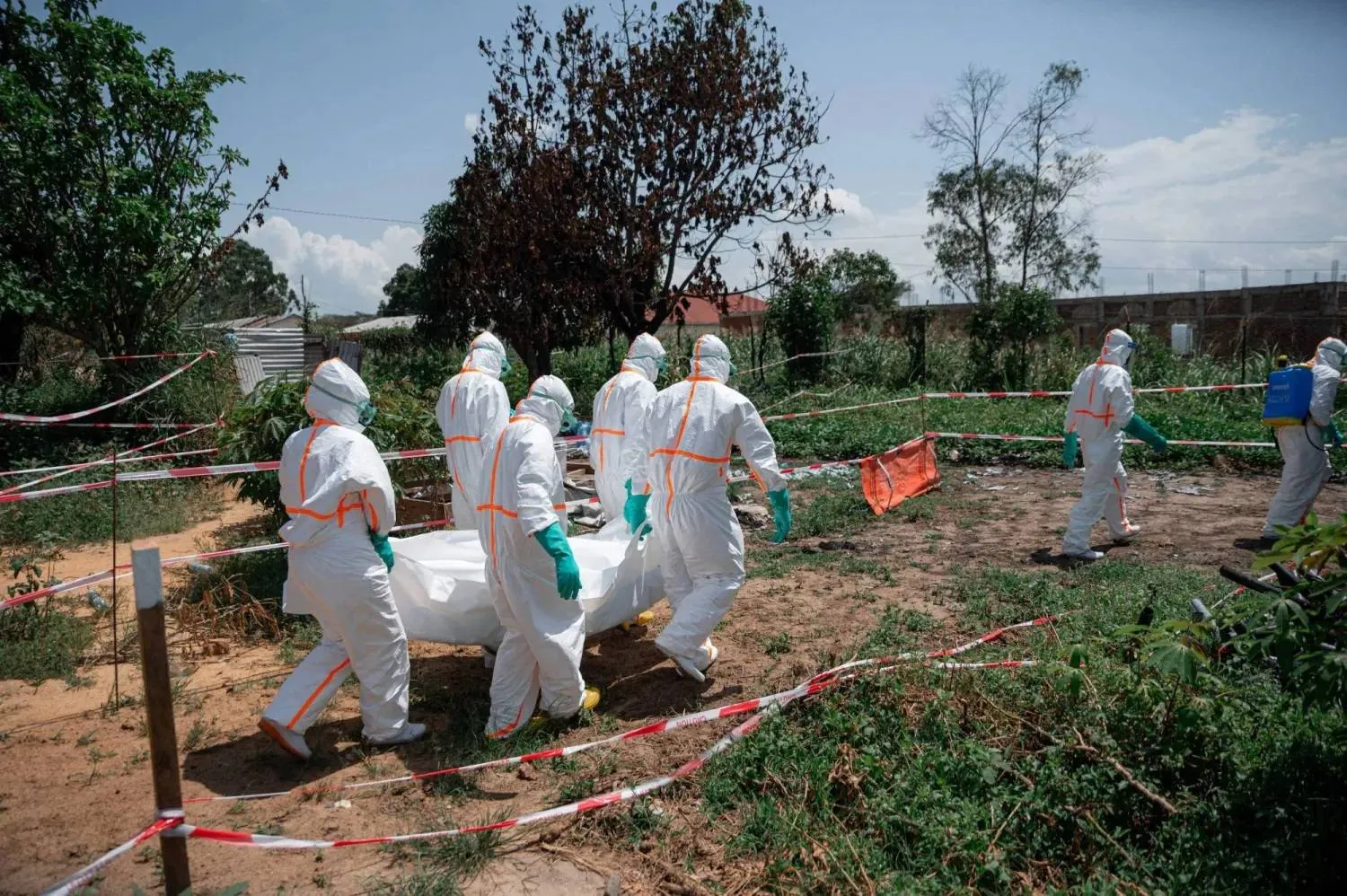
The Democratic Republic of the Congo is facing a worsening public health emergency as the number of confirmed Ebola infections has exceeded 1,000, while the death toll has climbed to 254. Health authorities continue to battle the highly contagious virus amid ongoing challenges related to surveillance, treatment, and outbreak containment.
Officials reported that the outbreak has spread across multiple affected regions, placing significant pressure on local healthcare systems already strained by limited resources and difficult operating conditions. The rising number of infections has heightened concerns among public health experts, who warn that sustained intervention efforts will be critical to preventing further transmission.
Growing Health Emergency
The latest figures indicate that more than 1,000 people have been confirmed to have contracted Ebola during the current outbreak. Of these cases, hundreds have required intensive medical care, while the virus has claimed at least 254 lives.
Ebola is one of the world’s deadliest viral diseases, often causing severe symptoms including fever, fatigue, vomiting, diarrhea, and internal or external bleeding in advanced cases. The virus can spread through direct contact with infected bodily fluids, contaminated surfaces, or materials exposed to infected individuals.
Health authorities have emphasized that rapid identification of cases, isolation of infected patients, and contact tracing remain among the most effective tools for slowing transmission. However, implementing these measures consistently across affected communities has proven challenging.
Healthcare Workers on the Front Lines
Medical teams and emergency response personnel continue to work around the clock to contain the outbreak. Treatment centers have expanded their operations in several high-risk areas, while healthcare workers are conducting community outreach campaigns aimed at increasing awareness about Ebola symptoms and prevention methods.
Frontline workers face considerable risks due to the contagious nature of the disease. Authorities have prioritized protective equipment, specialized training, and vaccination strategies to safeguard medical personnel involved in the response effort.
Public health experts note that protecting healthcare workers is essential, as infections among medical staff can significantly hamper outbreak control efforts and reduce the capacity of health systems to respond effectively. 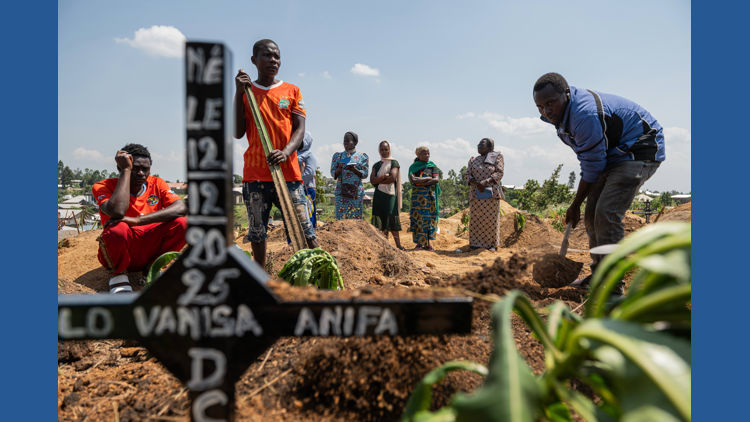
Vaccination and Containment Measures
Vaccination campaigns remain a central component of the response strategy. Health officials have been deploying Ebola vaccines to individuals considered at high risk, including close contacts of confirmed patients and healthcare workers.
The use of targeted vaccination programs has helped reduce transmission in previous outbreaks, but officials stress that vaccination alone cannot eliminate the threat. Comprehensive surveillance, public cooperation, and timely treatment remain equally important.
Authorities are also strengthening monitoring systems to identify potential new cases quickly. Contact tracing teams are working to locate and observe individuals who may have been exposed to the virus, helping reduce the likelihood of further spread.
Challenges Hindering Response Efforts
Despite ongoing containment measures, several obstacles continue to complicate efforts to bring the outbreak under control. Remote geographic locations, transportation difficulties, and limited healthcare infrastructure have slowed response activities in some regions.
In addition, misinformation and community mistrust can hinder disease surveillance and treatment initiatives. Health officials have therefore intensified public education campaigns designed to encourage cooperation with medical teams and improve understanding of the disease.
Experts warn that delays in reporting suspected cases or resistance to public health measures can contribute to ongoing transmission, making community engagement a crucial element of outbreak management.
Regional and Global Concerns
The growing scale of the outbreak has attracted international attention, with health organizations closely monitoring developments. While authorities have not reported widespread cross-border transmission, neighboring countries remain on alert and have strengthened screening and preparedness measures.
Public health specialists emphasize that controlling Ebola outbreaks requires coordinated action between local governments, healthcare providers, international partners, and affected communities. The experience of previous outbreaks has demonstrated that rapid intervention and sustained public health investment are vital to limiting fatalities and preventing broader regional impacts.
Outlook
As confirmed Ebola infections surpass the 1,000-case mark and fatalities continue to rise, health authorities face a critical period in their efforts to contain the virus. Ongoing vaccination campaigns, enhanced surveillance, treatment expansion, and community engagement initiatives are expected to play a decisive role in determining the trajectory of the outbreak.
For now, officials remain focused on reducing transmission, improving patient outcomes, and preventing the health crisis from escalating further. The coming weeks are likely to be crucial in assessing whether current containment measures can successfully curb the spread of one of the world’s most dangerous infectious diseases.