
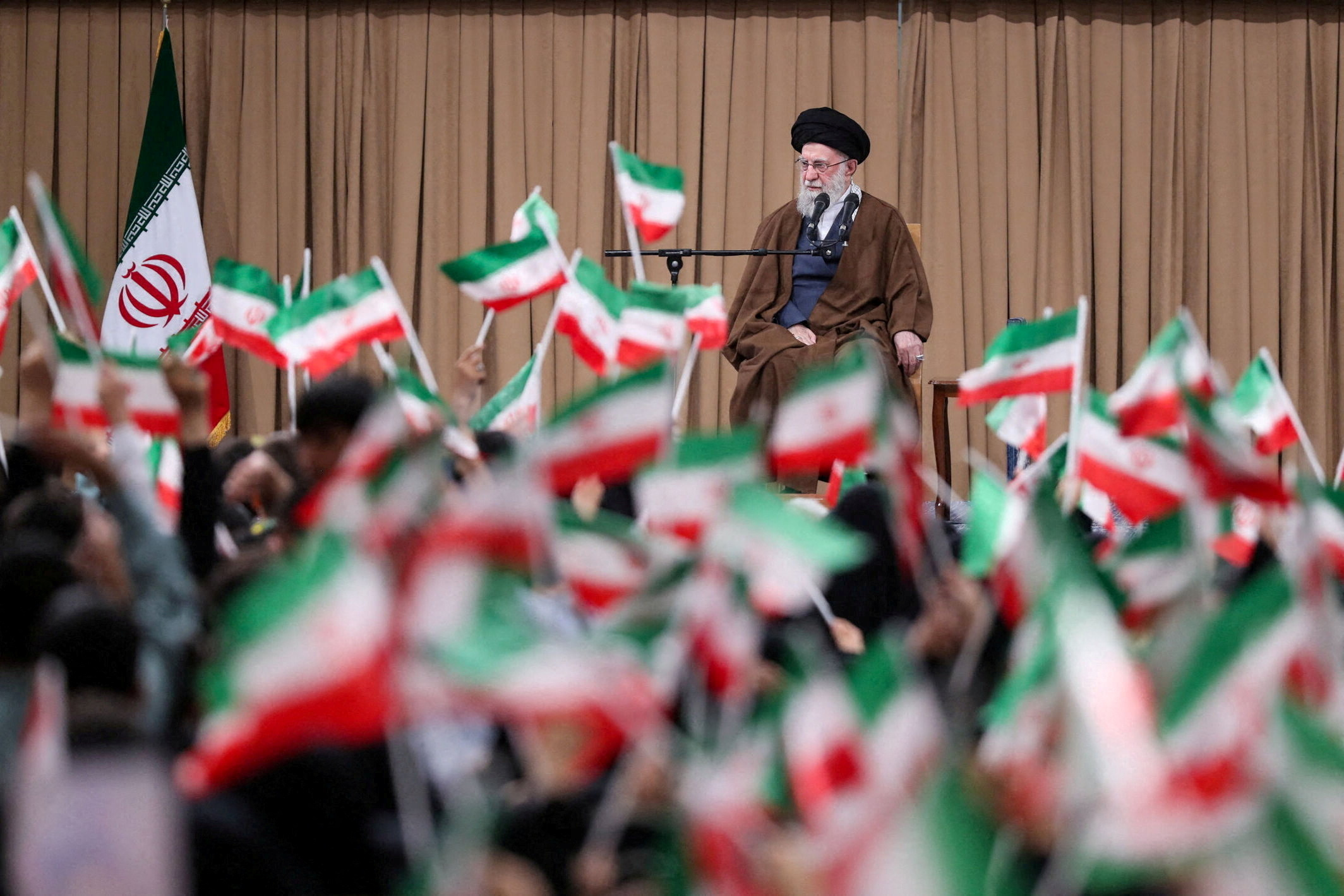
Iran has indicated a renewed willingness to engage in nuclear negotiations, marking a notable shift in its diplomatic posture amid evolving geopolitical dynamics and long-standing tensions with the West. The development suggests that Tehran is recalibrating its approach to international talks, particularly concerning its nuclear program and relations with global powers.
Officials in Iran have recently signaled that the country no longer views external pressure, particularly from United States, as a deterrent to returning to the negotiating table. Instead, Iranian policymakers appear more confident in pursuing dialogue, even while maintaining their core strategic positions on nuclear development.
Shift in Diplomatic Tone
The latest remarks from Iranian leadership reflect a noticeable change in tone compared to earlier periods of heightened tension, when negotiations frequently stalled amid sanctions, military threats, and mutual distrust. This renewed openness is being interpreted as part of a broader strategy to ease economic strain and improve diplomatic flexibility without conceding key national interests.
Analysts suggest that Iran’s current position may be influenced by a combination of domestic economic pressures, shifting regional alliances, and the desire to stabilize its international standing. While Tehran continues to insist on its right to peaceful nuclear technology, it has increasingly signaled that dialogue remains an option if mutual respect is maintained.
Nuclear Program at the Center of Talks
At the heart of the renewed diplomatic discourse is Iran’s nuclear program, which has long been a point of contention between Tehran and Western governments. Previous agreements, including the 2015 nuclear deal framework, aimed to limit Iran’s enrichment activities in exchange for sanctions relief. However, the collapse of key commitments in subsequent years led to escalating tensions and reduced compliance on all sides.
The current signals suggest that Iran may be willing to revisit aspects of those negotiations, though officials have not indicated any readiness to fully restore past agreements without significant revisions. The emphasis appears to be on achieving a more balanced framework that addresses Iran’s security concerns while offering tangible economic incentives. 
Regional and Global Implications
A potential return to nuclear talks carries significant implications for stability across the Middle East. Any progress in negotiations could ease regional tensions, particularly in areas where proxy conflicts and geopolitical rivalries have intensified in recent years.
For global powers, renewed dialogue with Iran could open the door to broader diplomatic engagement on issues beyond the nuclear file, including sanctions, energy markets, and maritime security. However, deep mistrust and competing strategic interests continue to pose substantial obstacles.
Uncertain Path Ahead
Despite the optimistic signals, the path toward formal negotiations remains uncertain. Previous rounds of diplomacy have repeatedly broken down due to disagreements over verification mechanisms, sanctions relief, and political guarantees. Observers caution that while rhetoric may be softening, translating it into concrete agreements will require sustained diplomatic effort from all parties involved.
For now, Iran’s message appears clear: it is willing to return to discussions, but not under conditions it perceives as coercive. Whether this shift leads to meaningful breakthroughs will depend on how major global actors respond in the coming months.