
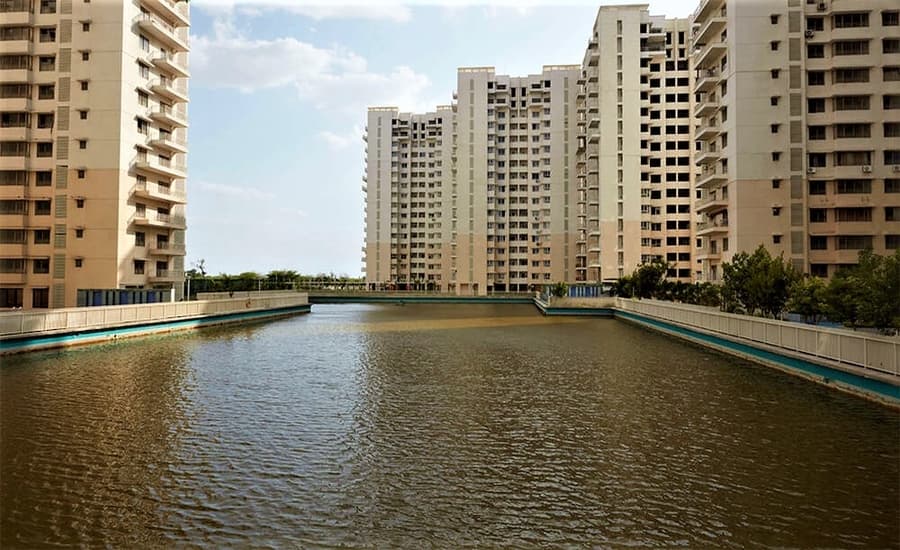
A major public health concern has emerged in Ahmedabad after hundreds of residents across multiple housing societies reportedly fell ill following the consumption and use of sewage-contaminated water supplied to their homes. The incident has raised serious questions about the city’s water distribution infrastructure and prompted authorities to launch investigations into the source of the contamination.
According to residents, complaints began surfacing after people started experiencing symptoms such as stomach infections, vomiting, diarrhea, nausea, and other gastrointestinal ailments. The affected individuals included children, elderly citizens, and working adults, many of whom sought medical treatment as the number of cases steadily increased over several days.
Residents Report Foul-Smelling and Discolored Water
People living in the affected housing societies stated that the water supplied through municipal pipelines appeared discolored and emitted an unpleasant odor. Several residents claimed they initially suspected a temporary disruption in the supply system, but concerns intensified when multiple family members and neighbors began experiencing similar health issues.
Residents alleged that contaminated water continued to reach households despite repeated complaints. Some families reportedly stopped using tap water entirely and switched to bottled drinking water as a precautionary measure.
The situation caused anxiety among local communities, with many questioning whether the contamination had been occurring for an extended period before being detected. 
Hundreds Affected Across Residential Areas
Health officials and local authorities were alerted after a significant number of residents reported illness. Medical facilities in the area witnessed an increase in patients presenting symptoms commonly associated with waterborne diseases and contaminated drinking water.
While most cases were reported to be manageable with treatment, the scale of the outbreak raised concerns about the potential for wider health complications if the contamination was not addressed quickly.
Community representatives urged authorities to conduct immediate inspections and ensure safe drinking water for all affected neighborhoods.
Preliminary Findings Point to Sewage Mixing
Initial assessments suggested that sewage water may have entered the drinking water distribution network through damaged pipelines, leakages, or infrastructure failures. Experts note that aging pipelines, pressure imbalances, and inadequate maintenance can sometimes create conditions that allow sewage to seep into potable water systems.
Officials began collecting water samples from affected areas for laboratory testing to determine the exact nature and extent of contamination. The results are expected to help authorities identify the source of the problem and implement corrective measures.
Investigators are also examining whether recent construction activity, pipeline repairs, or underground utility work may have contributed to the contamination. 
Emergency Measures Initiated
In response to the crisis, civic authorities initiated emergency measures aimed at restoring safe water supplies. Teams were deployed to inspect pipelines, flush affected networks, and conduct sanitation operations in impacted areas.
Authorities also advised residents to boil water before consumption and maintain strict hygiene practices until the supply is declared safe. Water tankers and alternative arrangements were reportedly considered to support communities facing disruptions in access to clean drinking water.
Health departments increased surveillance in the affected neighborhoods to monitor new cases and prevent the spread of waterborne illnesses.
Public Health Concerns Intensify
Public health experts warn that sewage contamination of drinking water can lead to the spread of bacterial, viral, and parasitic infections. Such incidents can result in outbreaks of gastroenteritis and other waterborne diseases, particularly in densely populated residential areas.
Experts emphasized the importance of regular infrastructure audits, prompt maintenance of underground pipelines, and continuous water-quality monitoring to prevent similar incidents in the future.
The Ahmedabad incident has once again highlighted the vulnerability of urban water distribution systems and the need for robust preventive mechanisms to ensure public safety.
Demand for Accountability and Long-Term Solutions
Residents and community groups have called for a thorough investigation into the incident, demanding accountability from the agencies responsible for water supply management. Many have sought assurances that long-term corrective measures will be implemented to prevent recurrence.
Local representatives have urged authorities to modernize aging infrastructure, improve monitoring systems, and establish faster response mechanisms for citizen complaints related to water quality.
As investigations continue, residents remain concerned about the safety of their water supply and are awaiting definitive answers regarding how sewage contamination entered the distribution network and affected hundreds of households.
The incident serves as a stark reminder of the critical importance of maintaining safe drinking water infrastructure in rapidly growing urban centers. Authorities are expected to continue monitoring the situation closely while implementing measures aimed at restoring public confidence and protecting community health.