
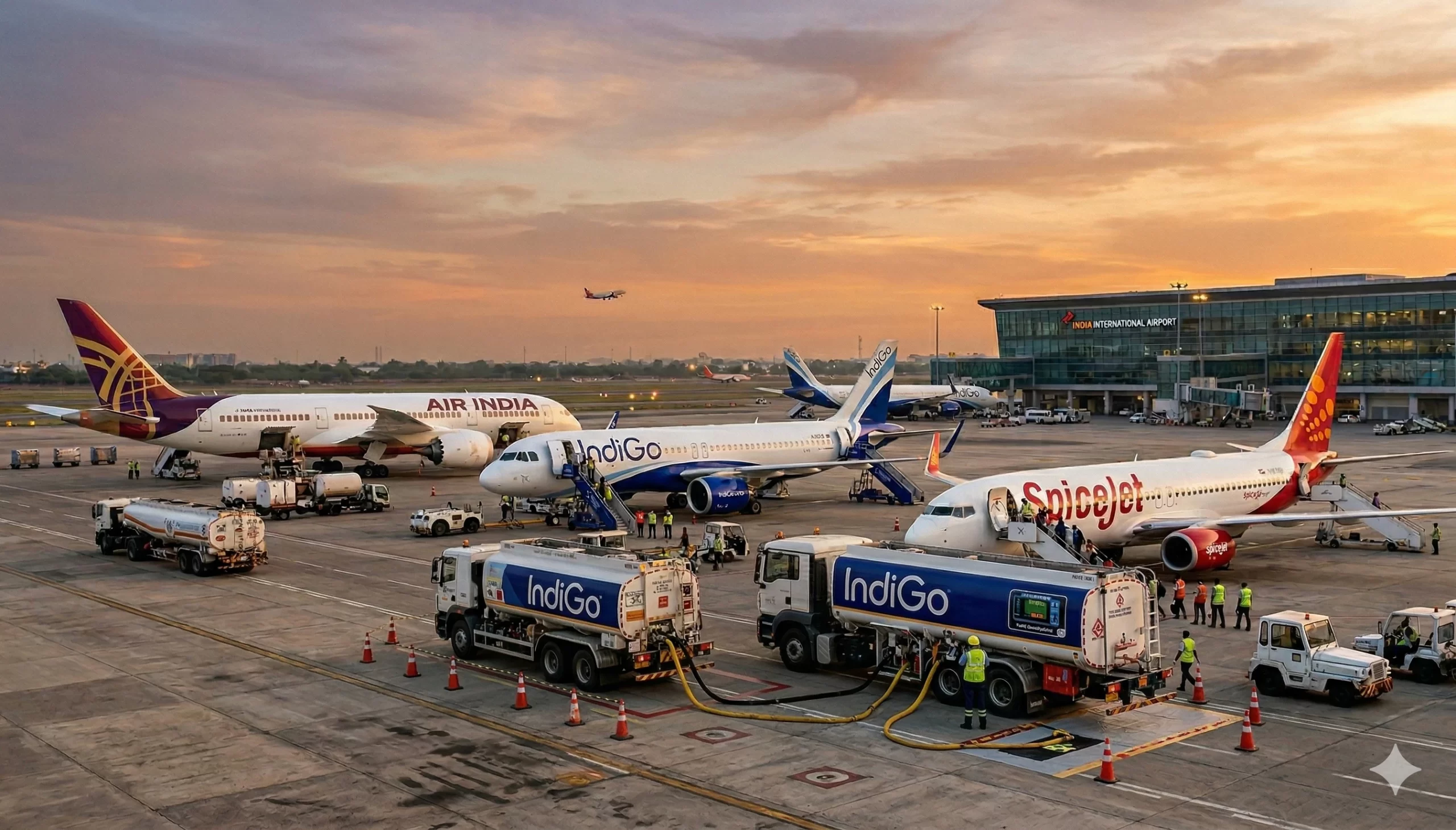
In a significant move aimed at protecting India’s aviation sector from global energy market turbulence, the Union Cabinet has approved a one-time ₹10,000 crore Aviation Turbine Fuel (ATF) Price Stabilisation Fund. The measure is designed to shield domestic airlines from sharp fluctuations in jet fuel prices that have emerged due to ongoing geopolitical tensions and volatility in international crude oil markets.
The decision comes at a time when rising fuel costs have placed substantial pressure on airline finances, threatening to increase operating expenses, ticket prices, and overall industry stability. The newly approved fund is expected to provide temporary relief while ensuring uninterrupted domestic and international air connectivity.
Why the Government Introduced the Fund
Aviation Turbine Fuel is among the largest cost components for airlines, often accounting for a significant share of operational expenditure. When global crude oil prices rise sharply, airlines face immediate financial stress because fuel expenses increase substantially.
Recent geopolitical developments and instability in energy-producing regions have pushed international fuel prices higher, creating concerns across the aviation industry. The government’s intervention seeks to prevent these external shocks from severely affecting airlines and passengers.
Officials believe that stabilising fuel costs will help maintain affordable air travel while reducing the risk of sudden fare increases triggered by fuel market volatility. 
How the Stabilisation Mechanism Will Work
Under the approved framework, the government will extend interest-free financial support to Oil Marketing Companies (OMCs) through the Ministry of Petroleum and Natural Gas. These companies will receive compensation when global ATF prices rise beyond government-defined benchmark levels.
The mechanism is intended to bridge the gap between elevated market-linked fuel costs and the moderated rates supplied to scheduled Indian airlines. By absorbing part of the financial burden, OMCs can help ensure that airlines are not forced to immediately pass on the full impact of fuel price spikes to passengers.
Industry observers view the arrangement as a targeted intervention designed to smooth extreme price fluctuations rather than permanently subsidise fuel consumption.
Relief for Airlines Facing Rising Costs
Indian carriers have been grappling with a challenging operating environment marked by fluctuating fuel prices, intense competition, and growing capacity requirements. For many airlines, fuel expenses represent one of the most unpredictable and significant cost factors.
The stabilisation fund is expected to provide airlines with greater financial certainty, enabling them to manage cash flows more effectively and continue expanding services without facing sudden cost shocks.
The government has indicated that maintaining a healthy aviation ecosystem is critical for economic growth, tourism, trade, and regional connectivity. Ensuring that airlines remain operationally stable is therefore considered a strategic priority. 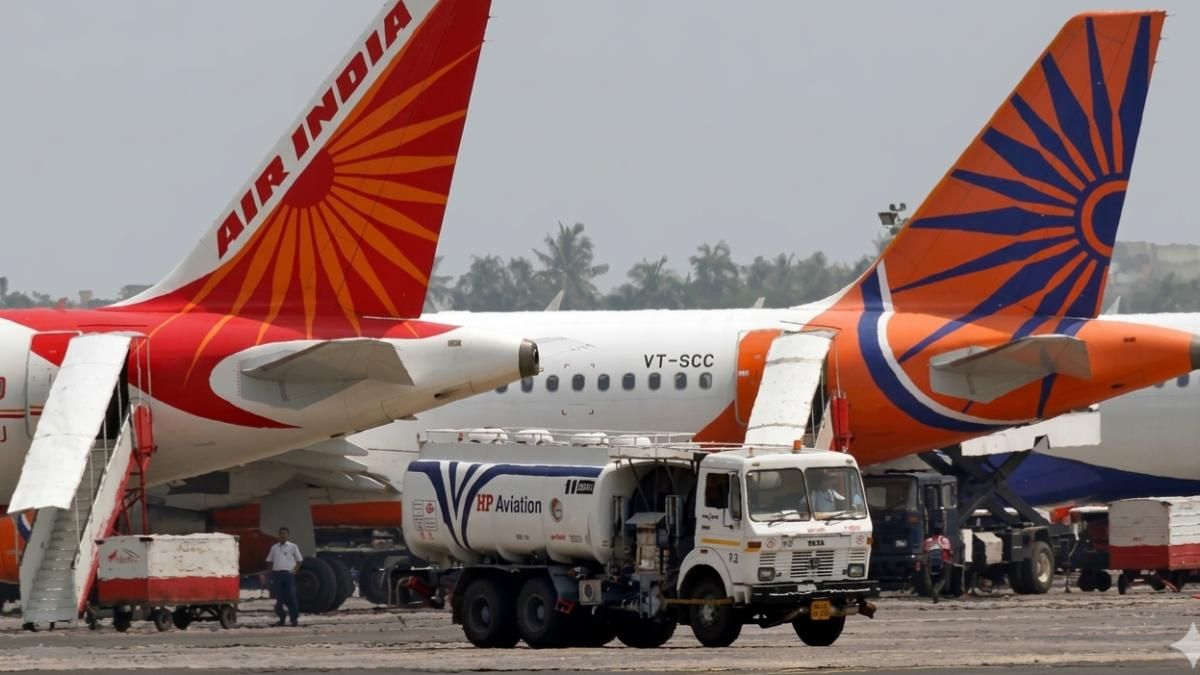
Potential Impact on Airfares
One of the key objectives behind the initiative is to prevent dramatic increases in passenger airfares. When fuel costs surge, airlines often have limited options other than raising ticket prices or imposing fuel surcharges.
By cushioning airlines from abrupt fuel price movements, policymakers hope to reduce fare volatility and maintain accessibility of air travel for passengers across the country.
While airfare levels will continue to depend on demand, capacity, and market conditions, the fund could help moderate the impact of future fuel-related price hikes.
Strengthening India’s Aviation Sector
The approval of the ₹10,000 crore fund reflects the government’s broader commitment to supporting critical transportation infrastructure and ensuring continuity of essential services. Alongside investments in roads, airports, and logistics networks, stabilising airline operations remains an important component of India’s long-term mobility strategy.
As air travel demand continues to grow and airlines expand their domestic and international networks, measures that improve operational stability are likely to play an increasingly important role in sustaining sector growth.
Outlook
The Aviation Turbine Fuel Price Stabilisation Fund represents one of the most significant recent interventions in India’s aviation sector. By creating a financial buffer against fuel price volatility, the government aims to protect airlines, support passengers, and preserve the country’s air connectivity during a period of global economic and geopolitical uncertainty.
Industry stakeholders will closely monitor the implementation of the scheme and its effectiveness in balancing airline sustainability, fuel market realities, and passenger affordability in the months ahead.