
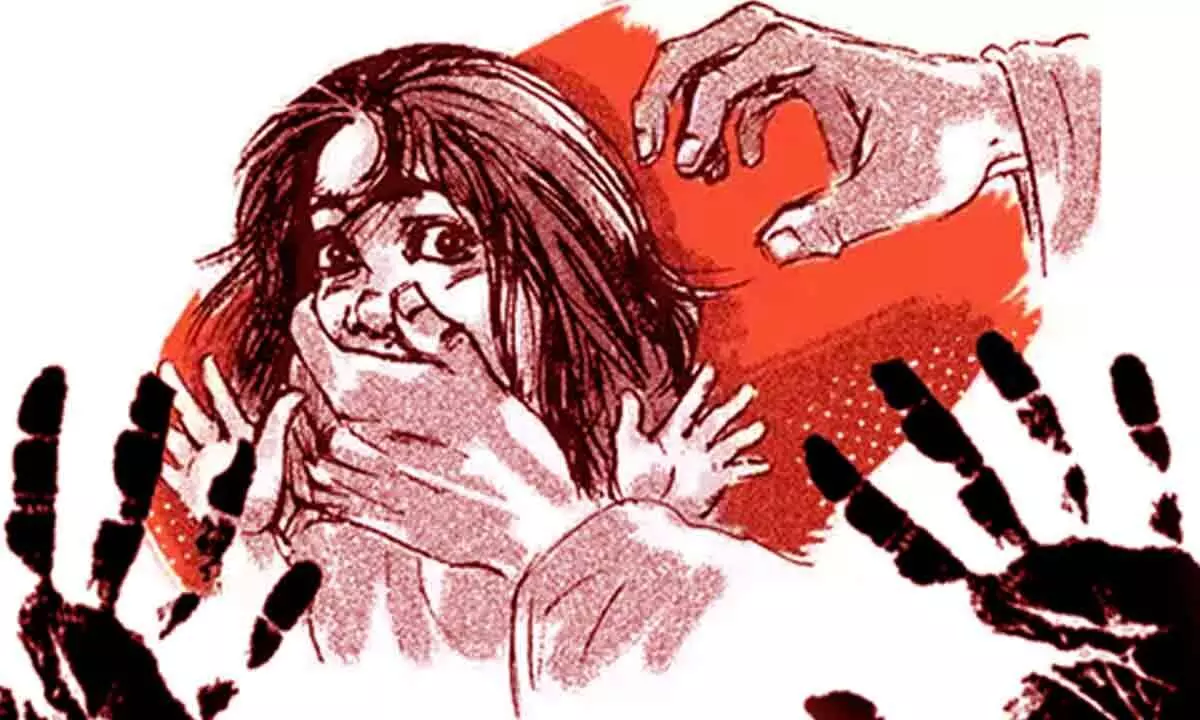
A shocking case of human trafficking involving a tribal girl from Odisha has once again drawn attention to the growing vulnerability of women and children from economically weaker communities. The survivor’s account of being trafficked, sold multiple times, and repeatedly sexually assaulted has triggered outrage and renewed calls for stronger anti-trafficking measures across the country.
According to officials familiar with the investigation, the girl was allegedly lured away from her home under false promises of employment and a better future. What followed, investigators say, was a horrifying chain of exploitation in which she was trafficked across different locations and subjected to repeated abuse by several individuals.
The survivor reportedly told authorities that she was sold twice by traffickers who treated her as a commodity for financial gain. During her captivity, she was allegedly sexually assaulted multiple times and kept under constant intimidation and fear. Her testimony has become central to the ongoing investigation as law enforcement agencies attempt to identify all those involved in the trafficking network.
Police officials stated that the case highlights the organized nature of trafficking rackets that target vulnerable tribal communities in remote regions. Many such victims are deceived through fake job offers, promises of marriage, or opportunities to work in cities. Activists working in the region say poverty, unemployment, lack of education, and poor awareness continue to make tribal families easy targets for traffickers.
Investigators have reportedly detained and questioned several suspects connected to the case. Authorities are also examining whether interstate trafficking networks were involved. Officials said efforts are underway to trace additional individuals linked to the operation, including middlemen and agents who may have facilitated the movement and exploitation of the victim. 
Women’s rights groups and child protection activists have expressed serious concern over the increasing number of trafficking incidents involving minors and young tribal girls. Activists argue that despite repeated crackdowns, trafficking syndicates continue to operate due to weak monitoring systems, inadequate rehabilitation mechanisms, and delays in securing convictions.
The survivor is currently receiving medical care, psychological counselling, and protection support. Officials said rehabilitation efforts are being coordinated to help her recover from the trauma she endured. Experts emphasize that survivors of trafficking often face long-term emotional and social challenges even after being rescued, making sustained rehabilitation essential.
The incident has sparked political and social debate in Odisha, with demands for stricter policing in vulnerable districts and improved community-level awareness campaigns. Several organizations have urged the government to strengthen village monitoring systems, improve employment opportunities for tribal youth, and ensure faster judicial action in trafficking-related cases.
Human trafficking remains one of the most serious crimes affecting vulnerable populations across India. Women and children from marginalized communities are frequently targeted by organized criminal networks operating under the guise of labor contractors, placement agencies, or marriage brokers. Experts believe stronger coordination between law enforcement agencies, social welfare departments, and local communities is necessary to curb such crimes effectively.
As the investigation progresses, authorities are expected to intensify efforts to dismantle the trafficking network behind the case. The survivor’s testimony is likely to play a crucial role in exposing the broader system of exploitation that continues to threaten vulnerable communities across the region.
The case has once again highlighted the urgent need for stronger protection mechanisms, faster rescue operations, and long-term rehabilitation support for trafficking survivors. Rights groups say meaningful action at the grassroots level is essential to prevent such horrific crimes from recurring.