
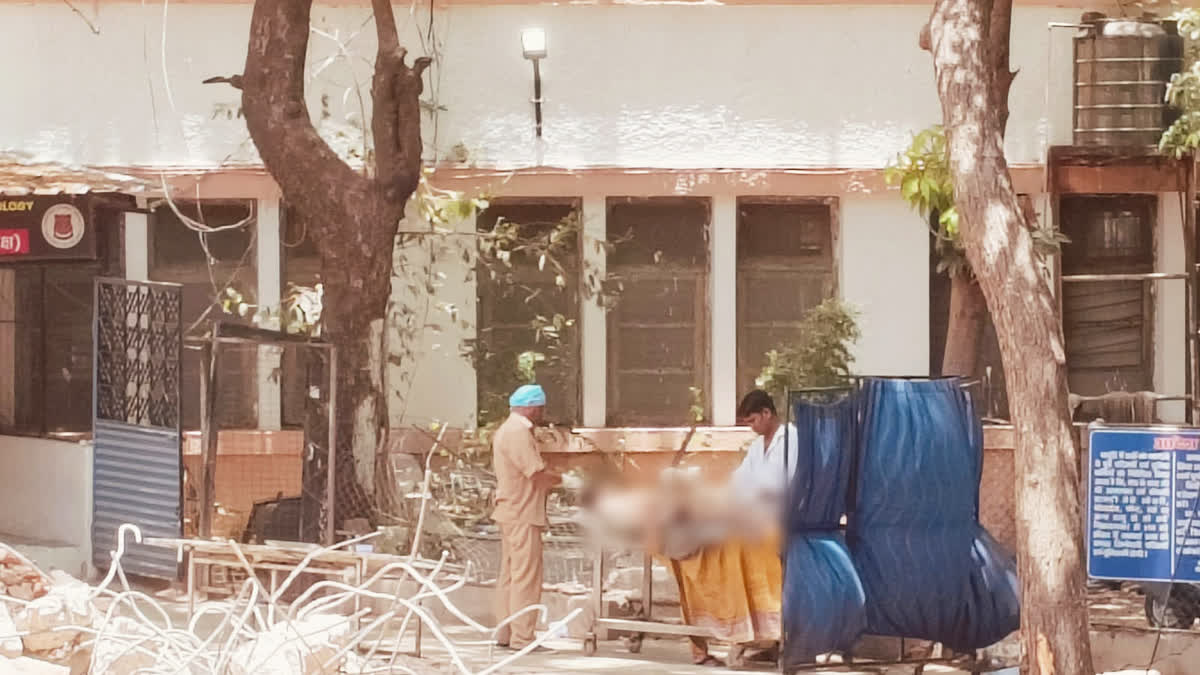
A major controversy has erupted in Bhopal after reports emerged that an unclaimed body was allegedly stitched in open public view outside the mortuary of a prominent government hospital, triggering outrage over questions of dignity, medical ethics, and the condition of public healthcare infrastructure.
The incident reportedly occurred at Hamidia Hospital, one of Madhya Pradesh’s largest state-run healthcare institutions. The visuals and eyewitness accounts from the hospital premises drew sharp reactions from citizens and social activists, many of whom described the incident as deeply disturbing and insensitive.
The controversy has intensified discussions about the treatment of deceased individuals in government hospitals and whether adequate systems exist to ensure dignity and privacy during post-mortem procedures.
Questions Raised Over Handling of Unclaimed Bodies
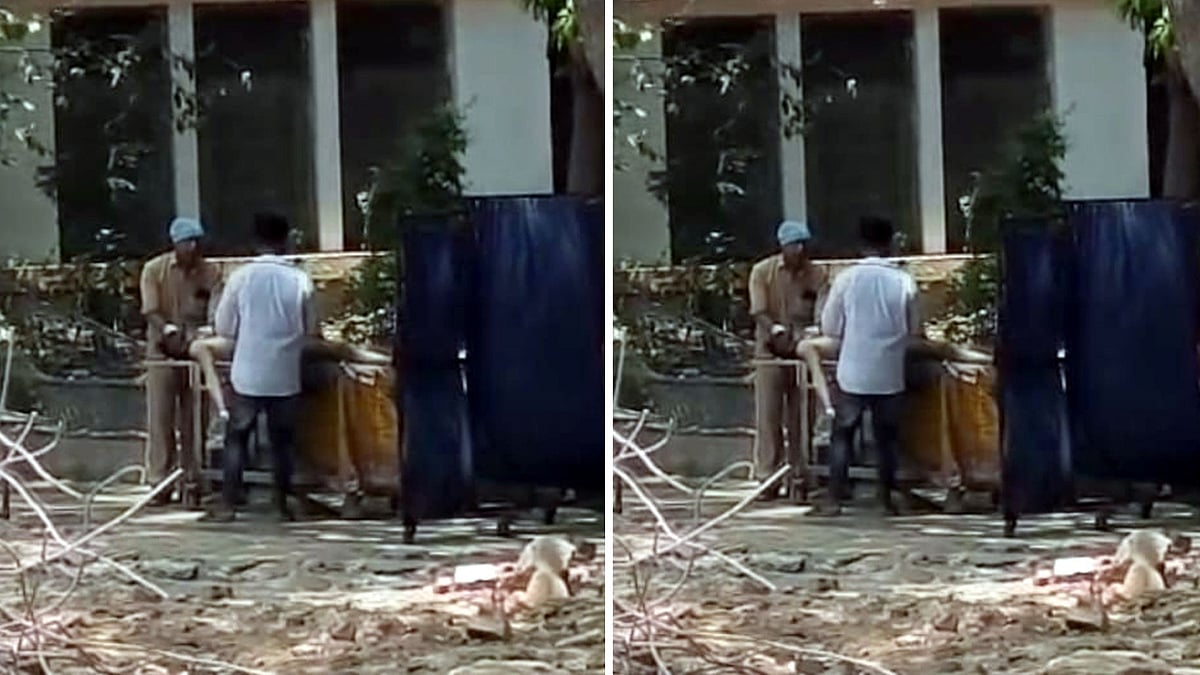
According to reports, the body of an unidentified individual was being stitched after a post-mortem examination in an area allegedly visible to visitors and people moving around the hospital complex. The alleged public handling of the body quickly became the center of criticism, with many questioning how such procedures could take place outside a restricted and enclosed facility.
Observers pointed out that even in cases involving unclaimed bodies, healthcare institutions are expected to maintain dignity, privacy, and professional standards throughout the process.
The incident has reignited concerns over the treatment of vulnerable individuals after death, particularly those without family support or social recognition.
Hospital Administration Under Pressure
Following public outrage, attention has shifted toward the hospital administration and the functioning of the mortuary department. Critics have questioned whether proper protocols were followed and whether the incident reflected larger systemic issues within the hospital infrastructure.
Healthcare experts noted that mortuary procedures are highly sensitive and are expected to be conducted in controlled environments away from public visibility. The alleged exposure of such procedures has raised concerns regarding supervision, operational management, and staff accountability.
Sources indicated that internal discussions were initiated after the incident attracted public attention, with authorities expected to examine how the situation unfolded.
Broader Concerns About Public Healthcare Infrastructure
The incident has also highlighted persistent challenges faced by large government hospitals across India, including overcrowding, limited mortuary space, shortage of trained staff, and inadequate infrastructure.
Medical professionals acknowledged that public hospitals often operate under enormous pressure due to heavy patient inflow and a large number of medico-legal cases. However, many experts emphasized that infrastructural limitations should not compromise basic ethical standards and human dignity.
Public health analysts argued that mortuary and forensic departments frequently remain neglected despite handling highly sensitive responsibilities involving deceased individuals and legal investigations.
The controversy has therefore evolved beyond a single incident and has drawn attention to deeper structural problems within public healthcare systems.
Human Rights Activists Demand Accountability
Human rights organizations and social activists strongly condemned the alleged handling of the body in public view, stating that dignity after death is a basic humanitarian principle that should never be ignored.
Activists emphasized that unclaimed bodies often belong to marginalized individuals such as homeless persons, migrant laborers, or economically vulnerable citizens. They argued that state institutions have a greater moral responsibility to ensure respectful treatment of such individuals.
Several groups demanded a transparent investigation into the incident and called for clear accountability if negligence or protocol violations are established.
Medical Ethics Debate Intensifies
The incident has also sparked debate within medical and ethical circles regarding the responsibilities of healthcare institutions toward deceased individuals.
Medical ethics experts stated that hospitals are obligated to ensure that post-mortem procedures and related activities are conducted with confidentiality and respect. Public exposure of such procedures, they argued, can negatively affect not only the dignity of the deceased but also the emotional well-being of patients, visitors, and hospital staff.
Experts further warned that repeated incidents of this nature risk damaging public trust in government healthcare institutions.
Political Reactions Add Pressure
The controversy soon entered the political arena, with opposition leaders criticizing the condition of healthcare administration and demanding stronger monitoring systems in state-run hospitals.
Political reactions focused on issues such as infrastructure management, accountability of hospital authorities, and the need for improved healthcare oversight. Some leaders described the incident as a reflection of administrative failure and called for immediate corrective action.
At the same time, public criticism continued to grow on social media platforms, where many users expressed anger over the reported lack of dignity shown toward the deceased.
Calls for Urgent Reforms in Mortuary Management
Healthcare policy experts believe the incident should serve as a wake-up call for authorities to improve mortuary infrastructure and procedural standards across government hospitals.
Experts suggested several reforms, including:
- Expansion and modernization of mortuary facilities
- Dedicated enclosed spaces for post-mortem procedures
- Better training for mortuary and support staff
- Stronger supervision and monitoring systems
- Ethical sensitization programs for hospital personnel
Analysts also stressed the need for periodic audits of mortuary practices to ensure compliance with healthcare and human rights standards.
A Reminder About Dignity in Public Institutions
The Bhopal mortuary controversy has once again highlighted the importance of preserving human dignity within public institutions, particularly in situations involving vulnerable or unclaimed individuals.
While healthcare systems across the country continue to face operational pressures and infrastructure challenges, experts argue that compassion, dignity, and ethical responsibility must remain central to institutional functioning.
As demands for accountability grow, the incident is likely to intensify discussions about reforms in government hospitals and the treatment of deceased individuals within public healthcare systems.
For many observers, the controversy represents not just an administrative lapse but a larger question about humanity, respect, and institutional responsibility in public life.