
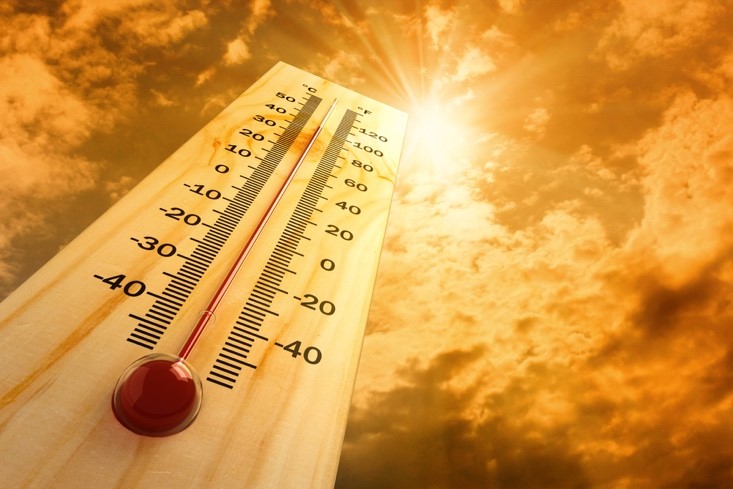
As heatwave conditions intensify across several regions, doctors and health experts are warning people about the growing danger of heat stroke — one of the most serious illnesses linked to extreme summer temperatures.
With temperatures soaring above normal levels and hot winds sweeping across many cities, healthcare professionals are witnessing an increase in cases related to dehydration, exhaustion, dizziness, and heat-related medical emergencies.
Experts say prolonged exposure to excessive heat can overwhelm the body’s cooling system, making people vulnerable to heat stroke, a condition that can become fatal if immediate medical attention is not provided.
What Is Heat Stroke?
Heat stroke is a severe heat-related illness that occurs when the body temperature rises to dangerous levels and the body can no longer cool itself effectively.
Normally, the body maintains its temperature through sweating. However, during extreme heat or long exposure to high temperatures, this natural cooling mechanism may fail. As a result, body temperature can rise rapidly, often crossing 40 degrees Celsius.
Doctors explain that once the body overheats, critical organs such as the brain, heart, kidneys, and muscles may begin to suffer damage.
Heat stroke is considered a medical emergency and should never be ignored.
Difference Between Heat Exhaustion and Heat Stroke
Health experts say many people confuse heat exhaustion with heat stroke, although the two conditions are different in severity.
Heat exhaustion usually develops first and includes symptoms such as excessive sweating, weakness, fatigue, muscle cramps, and dehydration. If not treated quickly, it can progress into heat stroke.
Heat stroke is far more dangerous because it directly affects the body’s temperature control system and may lead to confusion, unconsciousness, seizures, or organ failure.
Medical professionals stress that immediate treatment is essential once symptoms of heat stroke appear.
Common Symptoms of Heat Stroke
Experts advise people to watch for warning signs during extremely hot weather. Symptoms can appear suddenly and may worsen quickly.
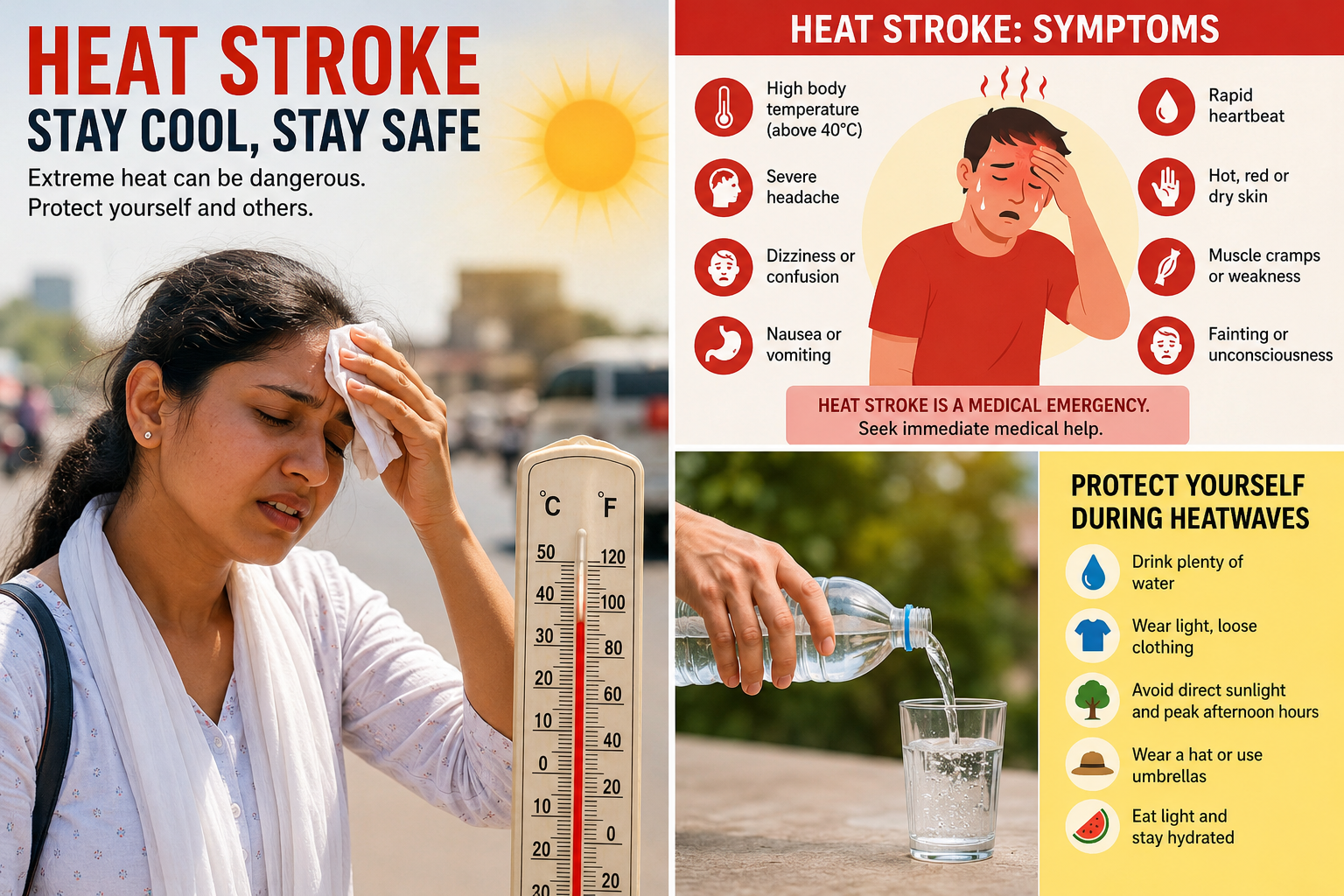
Major symptoms include:
- Very high body temperature
- Severe headache
- Dizziness and confusion
- Hot, dry, or flushed skin
- Nausea and vomiting
- Rapid heartbeat
- Difficulty breathing
- Muscle weakness or cramps
- Fainting or unconsciousness
- Slurred speech or disorientation
In severe situations, heat stroke may become life-threatening within a short period if emergency treatment is delayed.
Why Heatwaves Increase the Risk
Heatwaves create prolonged periods of unusually high temperatures that place enormous pressure on the human body.
Experts say the danger increases further when high humidity prevents sweat from evaporating properly, making it difficult for the body to cool itself naturally.
People who spend long hours outdoors under direct sunlight are at especially high risk. This includes construction workers, delivery personnel, farmers, street vendors, traffic police, and laborers.
Urban areas also face higher temperatures due to heat trapped by roads, buildings, and vehicles, increasing the risk of heat-related illness.
Who Is Most Vulnerable?
Doctors say certain groups face greater danger during severe heatwaves and require extra protection.
High-risk groups include:
- Elderly people
- Infants and young children
- Pregnant women
- Outdoor workers
- Athletes and fitness enthusiasts
- Individuals with heart disease or diabetes
- People with high blood pressure
- Those suffering from dehydration
Experts note that people taking medications affecting hydration or blood circulation may also face increased risk during extreme heat.
How to Protect Yourself During Heatwaves
Health specialists recommend several preventive measures to reduce the risk of heat stroke during hot weather conditions.
Stay Hydrated
Drink plenty of water throughout the day even if you do not feel thirsty. Oral rehydration drinks, coconut water, lemon water, and fresh fruit juices can help maintain electrolyte balance.
Avoid Direct Sunlight
Try to remain indoors during peak afternoon hours when temperatures are highest. If going outside is necessary, use umbrellas, caps, sunglasses, or scarves for protection.
Wear Light Clothing
Loose cotton clothes and breathable fabrics help the body stay cool and reduce sweating discomfort.
Eat Light and Healthy Meals
Experts advise avoiding oily or heavy food during extreme heat. Fruits rich in water content such as watermelon, cucumber, muskmelon, and oranges are highly recommended.
Keep Indoor Spaces Cool
Use fans, coolers, curtains, and proper ventilation to reduce indoor heat. Staying in shaded or air-conditioned environments can significantly lower risk.
Avoid Alcohol and Excessive Caffeine
Alcoholic and caffeinated beverages can increase dehydration and should be consumed carefully during heatwaves.
What To Do If Someone Suffers Heat Stroke
Doctors say quick action can save lives if a person shows symptoms of heat stroke.
Immediate first-aid steps include:
- Move the person to a cool or shaded place
- Remove excess clothing
- Apply cold water or wet cloths on the body
- Use fans or air circulation to cool the person
- Give water only if the person is conscious
- Seek emergency medical help immediately
Experts warn that severe heat stroke should not be managed only with home remedies because it may rapidly affect vital organs.
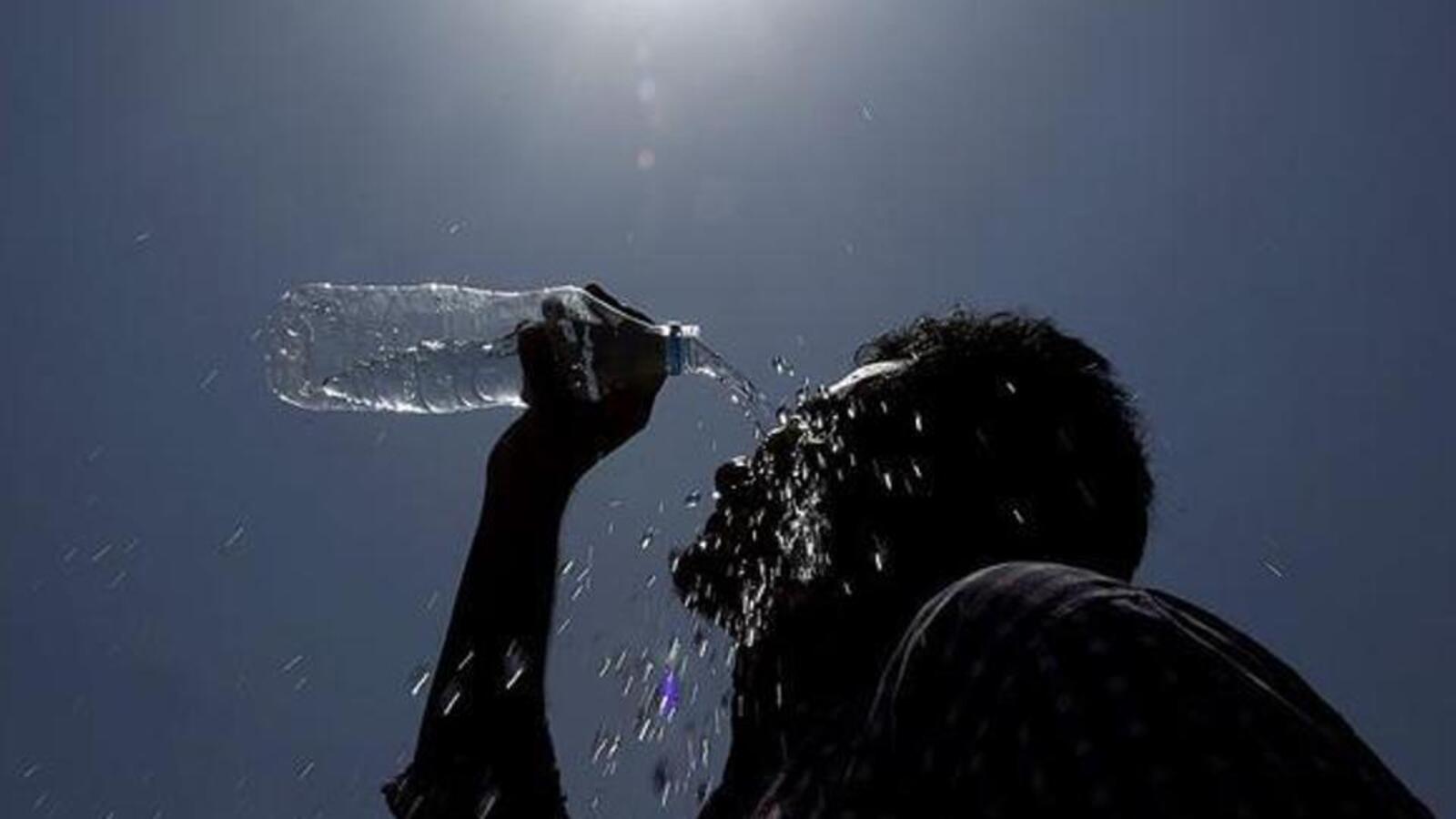
Environmental experts believe climate change is contributing to increasingly intense and prolonged heatwaves worldwide.
Rising temperatures, changing weather patterns, and urbanization are creating more dangerous summer conditions each year. Public health specialists warn that heat-related illnesses are likely to increase unless preventive measures and awareness improve significantly.
Governments and health authorities are now emphasizing the importance of heat action plans, emergency preparedness, and public education to reduce health risks during summer months.
Awareness and Precaution Can Prevent Fatalities
Medical experts stress that most heat stroke cases can be prevented through awareness, hydration, and timely precautions.
Ignoring early symptoms or remaining exposed to extreme heat for long periods can quickly turn dangerous. Doctors therefore advise people to monitor weather alerts carefully and prioritize safety during heatwave conditions.
As extreme temperatures continue to impact daily life, experts warn that heatwaves should be treated as serious health threats rather than routine summer discomfort.