
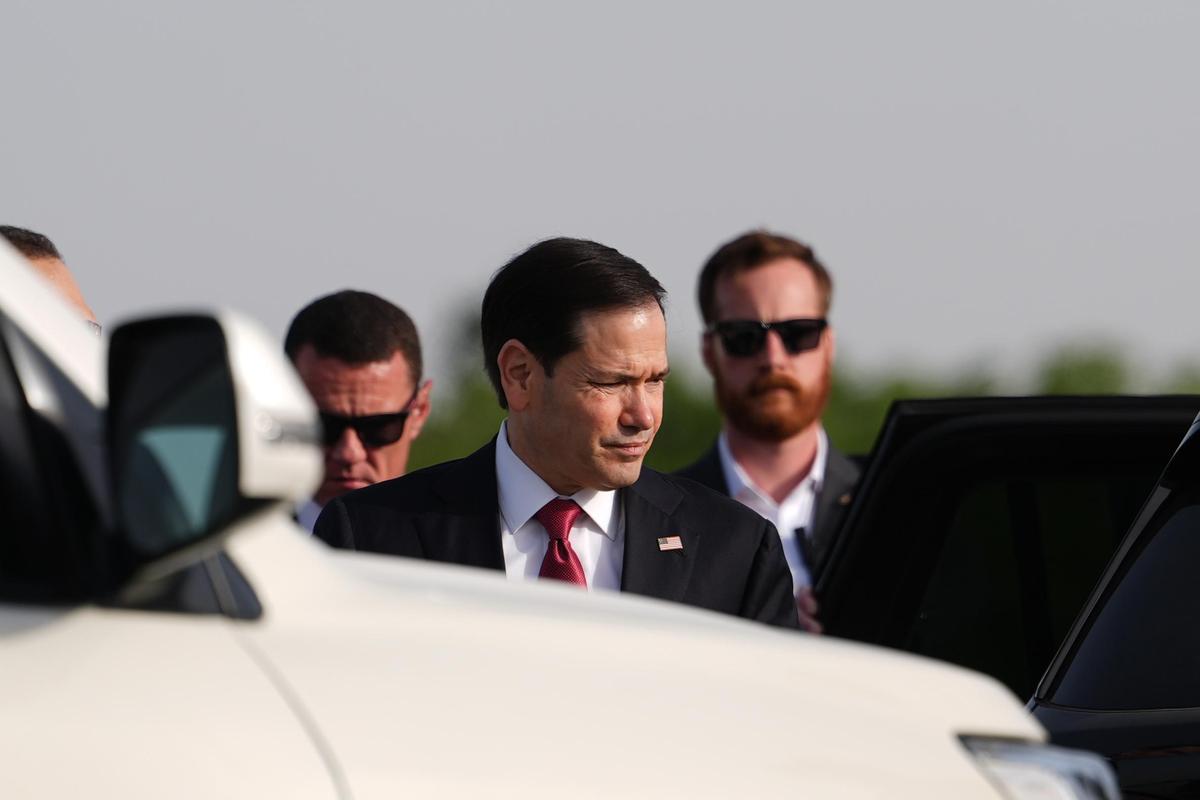
United States Secretary of State Marco Rubio has stated that a diplomatic agreement with Iran could still be achieved within days, even after recent American military actions described by Washington as “self-defence strikes” heightened tensions across the Middle East. His remarks come at a critical moment as fears of a broader regional conflict continue to grow amid fragile negotiations and rising military activity.
Rubio’s comments reflect the Biden administration’s attempt to balance military deterrence with diplomatic engagement, signaling that while the United States remains prepared to defend its interests and allies in the region, it has not abandoned hopes for a negotiated breakthrough with Tehran.
US Defends Recent Military Action
The latest developments follow a series of targeted US strikes against groups allegedly linked to Iran-backed militias operating in the region. American officials described the operations as defensive measures aimed at protecting US personnel and strategic assets following escalating attacks on military installations and allied positions.
According to US authorities, the strikes were intended to send a strong warning while avoiding a wider confrontation. Officials maintained that the military response was proportionate and designed to deter further aggression rather than trigger a direct war with Iran.
The incidents have intensified geopolitical uncertainty across the Middle East, with analysts warning that any further escalation could destabilize ongoing diplomatic initiatives and complicate international efforts to revive dialogue over Iran’s nuclear programme and regional influence. 
Rubio Emphasises Window for Negotiations
Despite the military escalation, Rubio indicated that channels of communication between Washington and Tehran remain active. He suggested that diplomatic efforts are continuing behind the scenes and that an agreement could still materialise within a matter of days if both sides demonstrate flexibility.
Rubio stressed that the United States prefers a peaceful and negotiated solution over military confrontation. He reiterated that diplomacy remains the most effective path to ensuring regional stability, preventing nuclear escalation, and safeguarding international security interests.
His remarks are being viewed as an attempt to reassure allies and global markets that the situation, while tense, has not yet reached a point beyond diplomatic repair.
Growing Concerns Over Regional Stability
The latest exchange has raised concerns among international observers about the possibility of retaliatory actions by Iran-backed groups operating across the Middle East. Security analysts believe the region remains highly volatile, particularly as multiple flashpoints continue to overlap with broader geopolitical rivalries.
Several governments have called for restraint, urging both Washington and Tehran to avoid steps that could further inflame tensions. Diplomatic observers note that the current environment is especially delicate because negotiations over Iran’s nuclear activities and sanctions relief remain unresolved.
Any breakdown in talks could have significant consequences for global energy markets, regional alliances, and broader international security frameworks. 
Iran Yet to Fully Clarify Response
Iranian officials have strongly criticised the recent US military action, accusing Washington of escalating instability in the region. However, Tehran has also continued to signal interest in diplomatic engagement under certain conditions, leaving room for potential negotiations.
Political experts suggest both sides are attempting to project strength publicly while simultaneously keeping diplomatic options available. This dual-track strategy reflects the complex nature of US-Iran relations, where confrontation and negotiation often occur simultaneously.
The coming days are expected to be crucial in determining whether diplomatic momentum can survive the current tensions or whether the region moves toward a more dangerous phase of confrontation.
International Community Monitoring Situation Closely
Global powers and regional stakeholders are closely monitoring developments, particularly as concerns mount over the impact of escalating tensions on international trade routes, oil supplies, and security partnerships.
Diplomatic circles believe that any successful agreement between the United States and Iran would likely require compromise on multiple fronts, including regional military activity, sanctions, and nuclear oversight mechanisms.
For now, Rubio’s remarks have offered a cautious indication that diplomacy is still alive despite the sharp rise in tensions. Whether negotiations can overcome the current crisis remains uncertain, but international attention remains firmly fixed on the evolving situation between Washington and Tehran.