
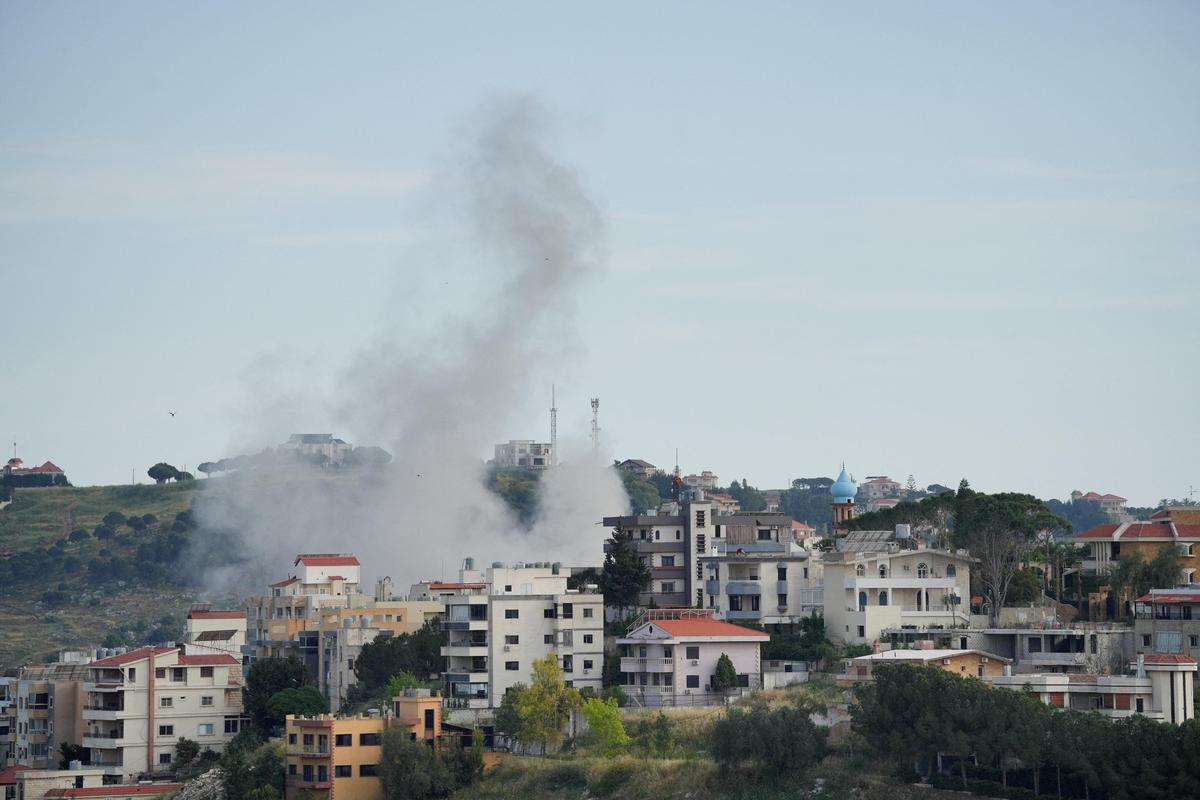
Israeli airstrikes targeting multiple locations in southern Lebanon killed at least 19 people, including women and children, intensifying fears that the fragile ceasefire arrangement between Israel and Hezbollah is rapidly deteriorating. The deadly attacks marked one of the most severe escalations in recent weeks and added further uncertainty to ongoing diplomatic efforts aimed at stabilizing the region.
According to Lebanese health authorities, the strikes hit several towns and villages across southern Lebanon, including Deir Qanoun al Nahr, Nabatieh, and Kfar Sir. The heaviest attack reportedly struck a residential area in Deir Qanoun al Nahr, where an entire home was destroyed, killing multiple members of the same family. Rescue teams spent hours clearing debris and searching for survivors trapped beneath collapsed structures.
Officials stated that among the victims were at least four women and three children, highlighting the growing civilian toll from the ongoing conflict. Several others sustained injuries, including children, while local hospitals struggled to manage the influx of wounded residents amid continuing security threats.
The Israeli military said it had targeted Hezbollah infrastructure and militant positions in southern Lebanon over a 24-hour period. Military officials claimed that more than two dozen suspected Hezbollah-linked sites were struck during the operation. However, no immediate evidence was publicly presented linking the civilian areas hit during the attacks to militant activity.
The latest violence comes despite a U.S.-brokered ceasefire extension intended to reduce hostilities between Israel and Hezbollah. Although the truce was extended for an additional 45 days earlier this month, both sides have continued to accuse each other of violations. Israeli forces have maintained air operations in southern Lebanon, while Hezbollah fighters have continued launching rockets and drones toward Israeli territory. 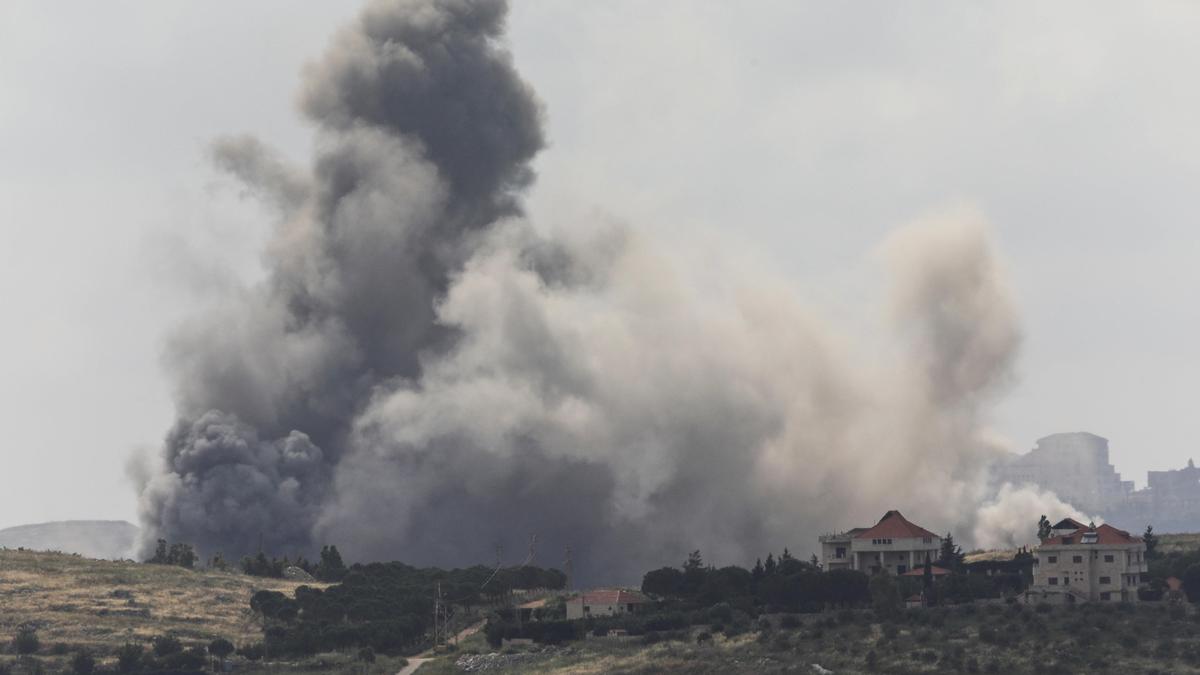
Regional tensions have intensified significantly since renewed fighting erupted earlier this year following broader instability connected to the Middle East conflict involving Iran and allied armed groups. Since then, near-daily exchanges of fire between Israel and Hezbollah have displaced large numbers of civilians and devastated communities along the border region.
Lebanese officials condemned the strikes, accusing Israel of repeatedly violating ceasefire terms and targeting civilian neighborhoods. Emergency responders and local authorities described scenes of widespread destruction, damaged homes, shattered roads, and terrified residents fleeing affected areas. In several towns, electricity and communication services were reportedly disrupted following the bombardment.
International concern is also growing as fears mount that the violence could expand into a broader regional confrontation. Diplomatic negotiations involving international mediators continue, but repeated attacks on both sides have undermined confidence in the peace process. Analysts warn that unless a more durable agreement is reached, southern Lebanon could witness even more devastating clashes in the coming weeks.
The humanitarian situation across southern Lebanon continues to worsen as thousands of families remain displaced. Aid agencies have raised concerns over shortages of medical supplies, overcrowded shelters, and deteriorating living conditions for civilians caught in the conflict zone. Previous waves of violence have already caused significant casualties and infrastructure damage across Lebanon’s southern provinces.
Security analysts believe the latest strikes may further complicate upcoming diplomatic discussions between Lebanese and Israeli representatives. While international actors continue pushing for de-escalation, persistent military operations and retaliatory attacks are making a long-term settlement increasingly difficult to achieve.