
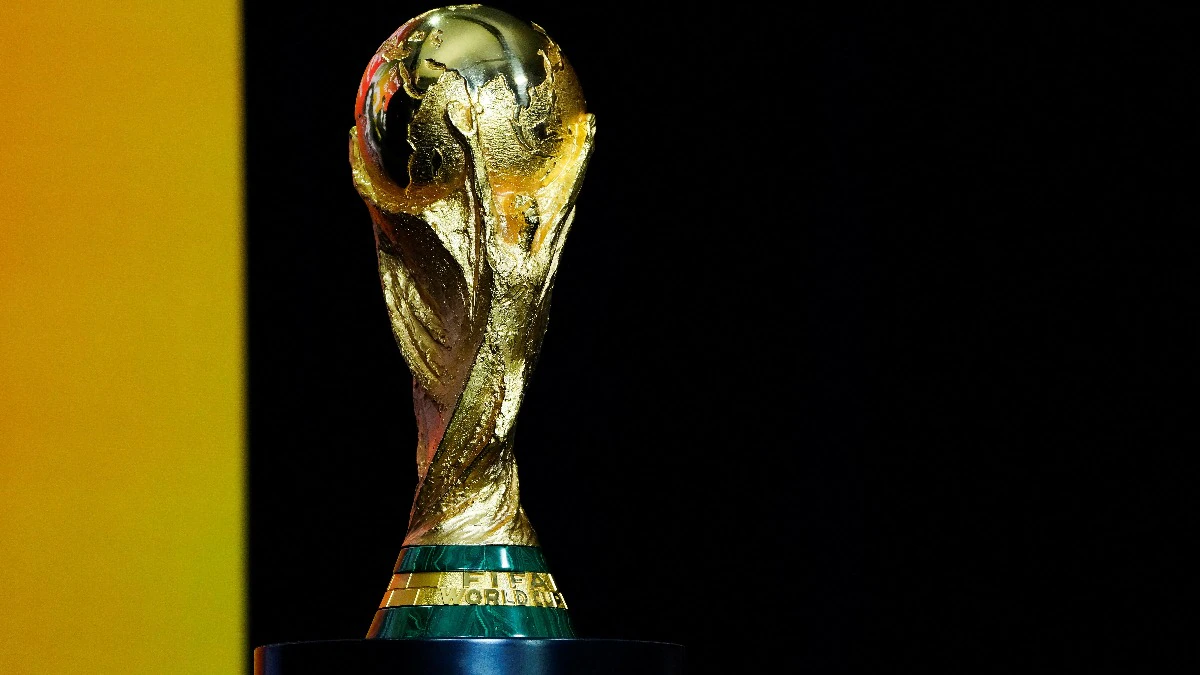
China has officially secured broadcasting rights for the FIFA World Cup 2026 after lengthy negotiations, concluding a deal reportedly valued at approximately $60 million. The agreement marks a significant development for global football broadcasting and highlights the continued commercial importance of the Chinese media market despite recent economic and sports industry challenges.
The broadcasting agreement arrives after months of uncertainty surrounding the availability of World Cup coverage in one of the world’s largest television and digital streaming markets. Industry analysts had closely monitored the negotiations, particularly because China remains a strategically important territory for international sporting events and global advertising partnerships.
The FIFA World Cup 2026 is set to become the biggest edition in the tournament’s history. Hosted jointly by the United States, Canada, and Mexico, the competition will feature an expanded format with 48 teams for the first time. The larger tournament structure is expected to generate record-breaking viewership, sponsorship revenue, and global digital engagement.
The newly finalised Chinese broadcasting arrangement is viewed as an important commercial success for FIFA, especially after concerns emerged over the pace of international rights sales in certain regions. Reports indicate that negotiations had been complicated by changing market conditions, reduced sports media spending, and cautious investment approaches among broadcasters.
Despite those concerns, the final agreement ensures that football fans across China will have official access to live matches, highlights, analysis programs, and tournament-related coverage during the 2026 event. The deal is expected to include extensive television and digital streaming distribution, reflecting changing viewing habits among younger audiences who increasingly consume sports through online platforms and mobile devices. 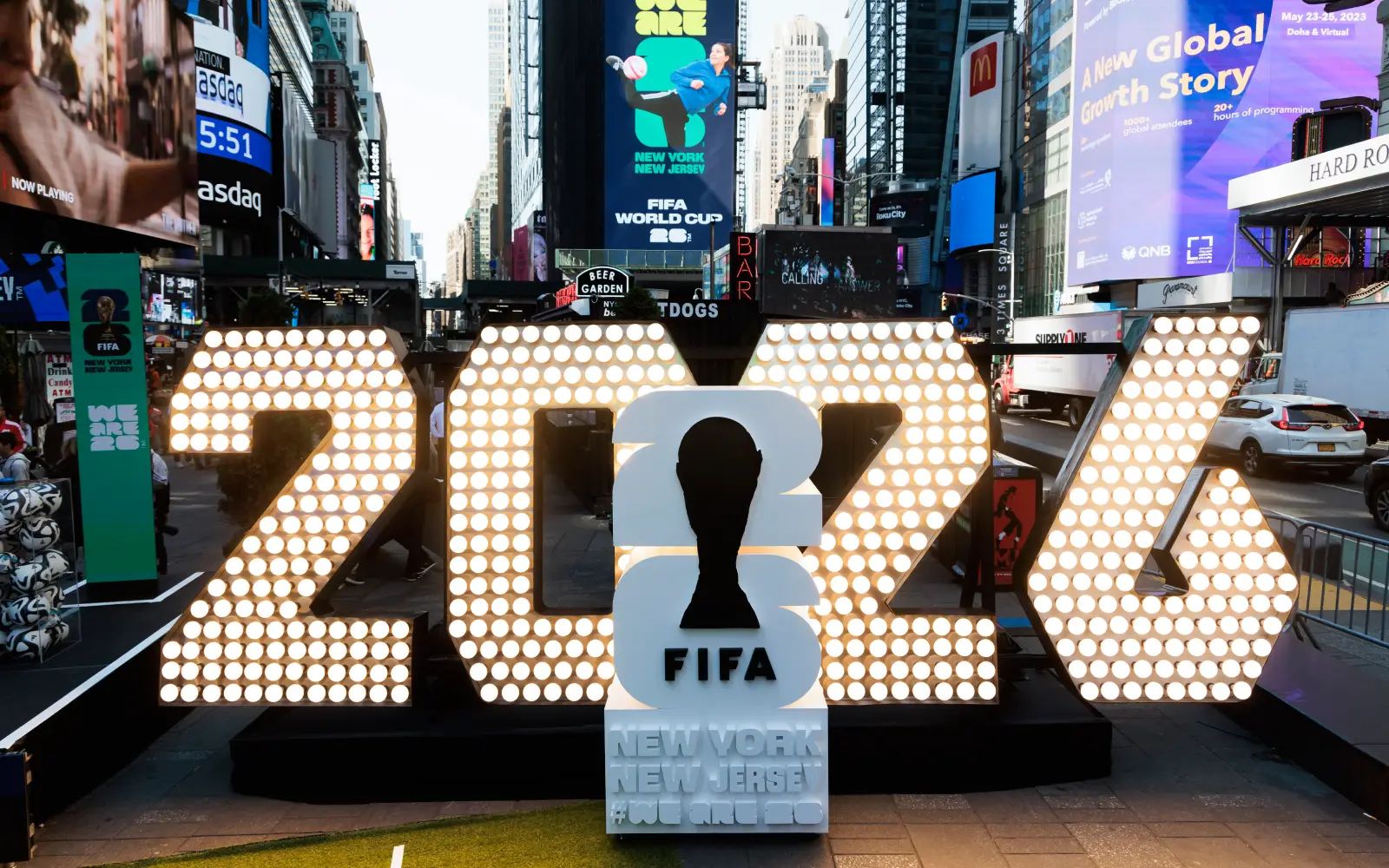
The reported value of the agreement has also drawn attention across the global sports business industry. Compared with earlier World Cup cycles, the financial figure is seen by some analysts as relatively conservative for a market of China’s size. However, experts believe current economic realities, evolving audience behaviour, and the growing fragmentation of media consumption have influenced rights valuations worldwide.
FIFA has been aggressively expanding the commercial footprint of football in Asia over the past decade, with China remaining a key target market due to its enormous population and significant sports consumption potential. While the Chinese national team has struggled to make a substantial impact in international football, interest in elite global competitions continues to remain strong among local fans.
The World Cup’s popularity in China has historically attracted major advertisers, sponsors, and streaming platforms eager to capitalise on the tournament’s massive audience reach. Brands associated with technology, automotive manufacturing, beverages, e-commerce, and consumer electronics are expected to invest heavily in promotional campaigns linked to the 2026 tournament.
The timing of the agreement is also notable because FIFA has increasingly prioritised long-term media partnerships that integrate traditional television broadcasting with digital engagement strategies. Modern sports audiences are no longer limited to live television viewing, and broadcasters now compete across streaming, social media, short-form video, and interactive platforms. 
Industry observers believe the 2026 World Cup could become one of the most digitally consumed sporting events in history. The expanded number of participating nations is expected to broaden international audience engagement while also increasing the total number of matches available for broadcasters and streaming partners.
For China, the agreement represents another opportunity to strengthen its connection with major global sporting events despite ongoing restructuring within the domestic sports economy. Football continues to maintain a strong cultural and commercial appeal among younger demographics, urban viewers, and international sports followers across the country.
The FIFA World Cup 2026 itself is already being positioned as a landmark tournament. Beyond the expansion to 48 teams, the tri-nation hosting model across North America is expected to create unprecedented logistical scale and commercial opportunities. Stadium infrastructure, travel planning, fan engagement initiatives, and broadcasting innovations are all expected to play central roles in delivering the competition.
As preparations continue, the confirmation of China’s broadcast partnership removes one of the major unresolved commercial questions surrounding the tournament’s international media distribution. The deal reinforces FIFA’s ability to secure major broadcasting arrangements even amid shifting economic conditions and changing global media consumption patterns.
With global anticipation continuing to build, the 2026 FIFA World Cup is expected to command enormous worldwide attention, and China’s participation in the tournament’s broadcasting network further strengthens the event’s international reach and financial ecosystem.