
As the war in Ukraine continues to reshape modern battlefield strategies, Russia is increasingly turning to university students to strengthen its rapidly growing drone warfare divisions. Engineering and technical students across several Russian institutions are reportedly being offered lucrative financial packages, tuition incentives, and military benefits in exchange for joining specialized unmanned aerial systems units.
The recruitment push reflects Moscow’s growing dependence on drone technology in the ongoing conflict, where unmanned systems have become central to reconnaissance, surveillance, and precision strikes. Authorities and universities are presenting the program as both a patriotic duty and a pathway to career advancement in one of the military’s fastest-evolving sectors.
According to reports emerging from Russia, students at prominent technical universities are being encouraged to temporarily suspend their studies and enlist as drone operators, engineers, or technical specialists for military service contracts lasting up to one year. In return, recruits are being promised salaries that far exceed average regional incomes, alongside free tuition upon returning to complete their degrees.
Pamphlets and recruitment materials distributed at engineering institutions reportedly emphasize that drone personnel operate from positions located behind active front lines, while still qualifying for combat veteran status and associated state benefits. The offers are particularly targeting students with backgrounds in robotics, software engineering, aviation systems, electronics, and artificial intelligence.
The expansion of Russia’s unmanned systems forces comes amid increasing reliance on drones in the conflict with Ukraine. Both sides have transformed drone warfare into a defining feature of the war, using low-cost aerial systems for battlefield intelligence, long-range attacks, and targeting operations. Military analysts believe Russia is seeking technically skilled recruits capable of operating and developing increasingly sophisticated drone systems. 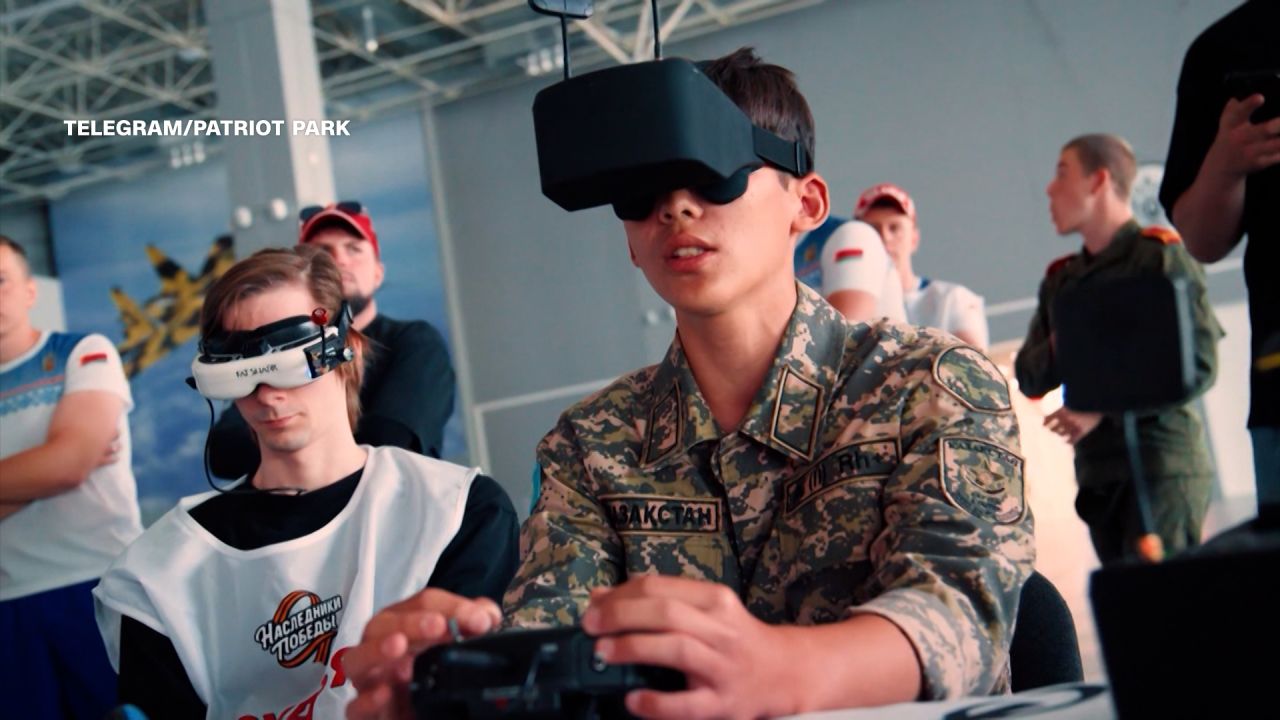
Several universities are said to be offering additional perks beyond salaries. These reportedly include extended academic leave, exemption from future education fees, free accommodation, grants, and assurances that students can resume their studies after completing military contracts. Some institutions have also promoted the initiative as an opportunity for professional growth in emerging defense technologies.
At the same time, reports have surfaced suggesting that recruitment efforts may be intensifying under unofficial pressure. Independent observers and rights groups have claimed that some students, particularly those struggling academically or financially, could be facing indirect coercion to enlist. Russian authorities, however, have publicly denied allegations of forced recruitment and insist participation remains voluntary.
The Kremlin has acknowledged that students are being actively encouraged to join newly formed drone divisions, which have become a strategic priority for the Russian military. Officials argue that the development of specialized unmanned forces reflects the changing nature of modern warfare and the increasing importance of technology-driven combat operations.
Recent military campaigns have demonstrated how drones are reshaping tactical operations on both sides of the conflict. Operators are often positioned far from direct combat zones but remain high-value targets due to the strategic impact of their missions. The demand for skilled drone specialists has therefore increased significantly as both Russia and Ukraine invest heavily in unmanned warfare capabilities.
The recruitment campaign also highlights broader challenges facing Russia’s military manpower strategy. While Russian officials continue to reject claims of a large-scale mobilization effort, the government has steadily expanded financial incentives to attract volunteers into military service. Analysts say targeting university students allows the military to access a younger, technically trained workforce suited for modern battlefield operations.
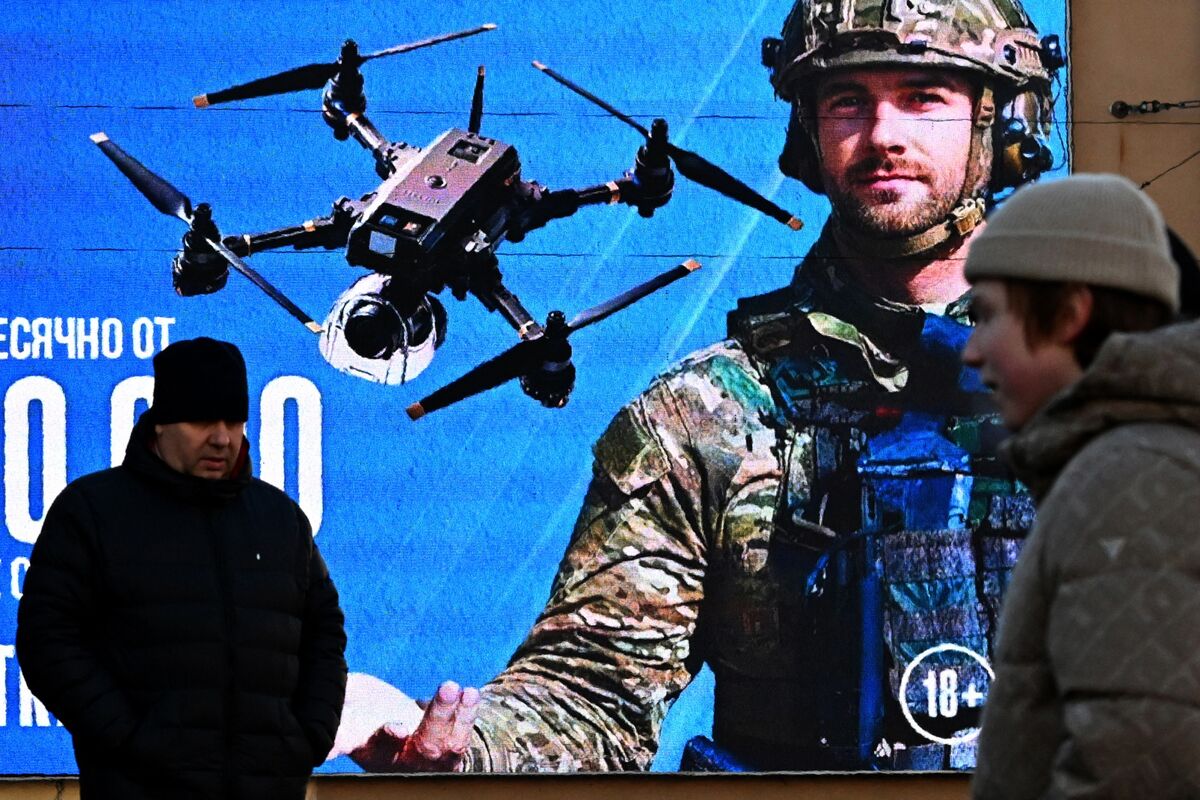
Public advertising campaigns promoting drone service have also intensified across Russian cities, with billboards and digital displays portraying drone operators as technologically advanced specialists essential to national defense. The messaging seeks to position drone warfare not only as military service but as participation in a high-tech strategic mission.
The growing emphasis on drone forces underscores how the Ukraine conflict has accelerated military innovation and transformed recruitment priorities. Traditional infantry roles are increasingly being supplemented by cyber, engineering, and unmanned systems expertise, creating new pathways for technically educated young recruits within Russia’s defense structure.
As the war enters another prolonged phase, Russia’s focus on recruiting university students into drone operations signals the expanding role of technology-driven warfare and the strategic importance Moscow now places on unmanned combat systems.