

A fragile calm returned to parts of Manipur after several civilians from the Naga and Kuki communities, who had been held hostage amid escalating ethnic tensions, were released following intensive negotiations involving community leaders, civil society organisations, and government officials.
The latest crisis unfolded against the backdrop of renewed violence in the hill districts of the State, where mistrust between ethnic groups has deepened after a series of deadly attacks and retaliatory actions. Authorities confirmed that more than 38 individuals from both communities had been detained or held captive by rival groups during the recent unrest.
According to officials, the hostage situation emerged shortly after the killing of three church leaders in Kangpokpi district. The murders triggered widespread outrage and heightened fears across several districts already struggling with prolonged instability. Community groups on both sides accused rival armed factions of involvement, further intensifying tensions.
Reports indicated that a group of Naga civilians, including women and children, had allegedly been held in areas dominated by Kuki groups, while several Kuki villagers were reportedly detained in retaliation by Naga volunteers and local groups. The situation quickly escalated into a dangerous standoff, raising concerns of further communal violence in the region.
Senior government officials, including Manipur Home Minister Govindas Konthoujam, initiated urgent talks with tribal organisations, local representatives, and political leaders to secure the safe release of all captives. The State government also informed the Union Ministry of Home Affairs about the developments and sought support in restoring peace. 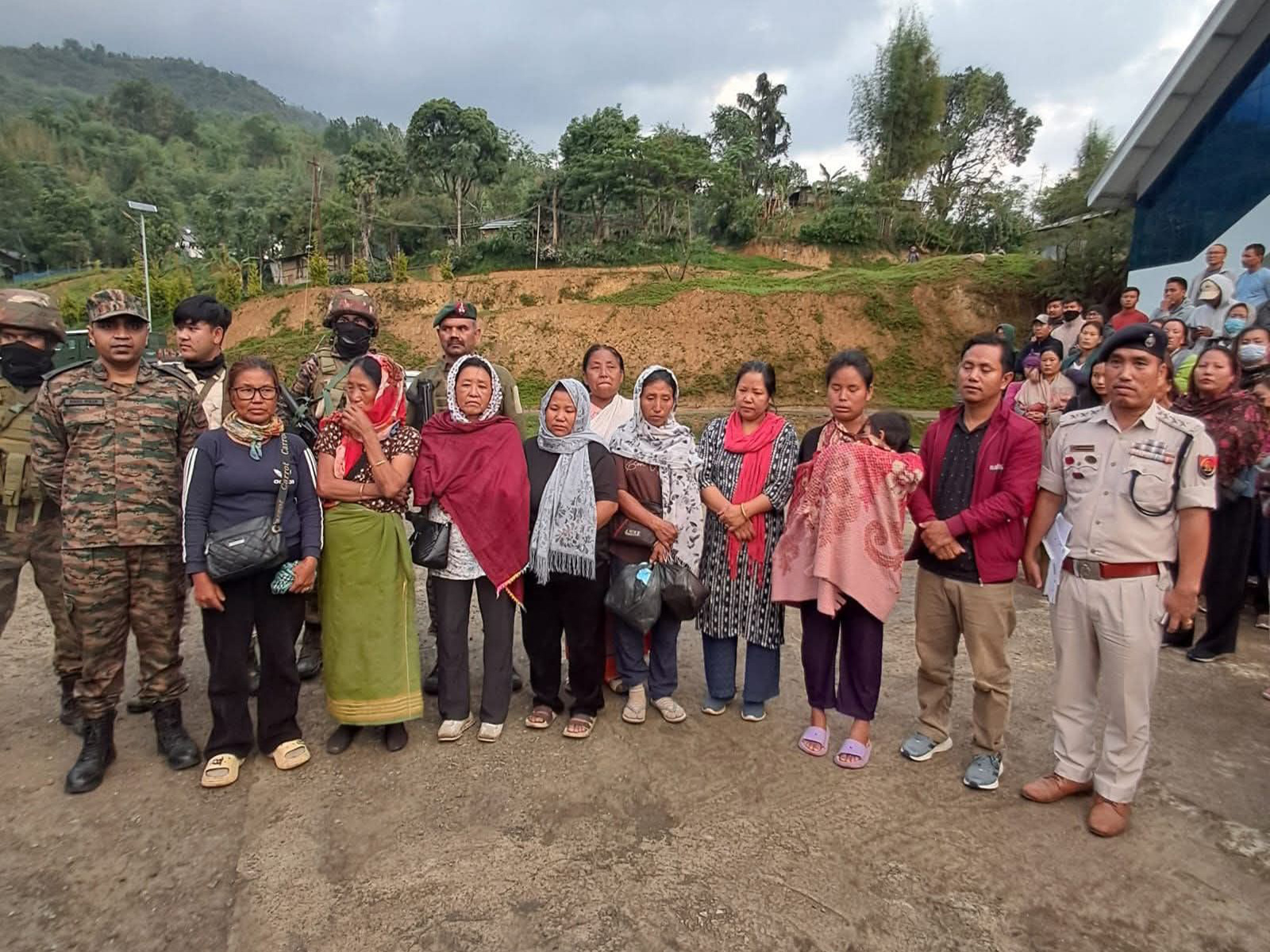
Community organisations played a significant role in defusing the crisis. Negotiators from both the Naga and Kuki communities engaged in continuous discussions aimed at preventing retaliatory attacks and ensuring that hostages were not harmed. Appeals for restraint were issued by multiple tribal bodies as fears of broader ethnic clashes spread across the hill districts.
Security forces were placed on high alert in sensitive areas including Kangpokpi, Senapati, Churachandpur, and Noney districts. Additional patrols and monitoring operations were launched to prevent fresh outbreaks of violence. Officials stated that peace restoration efforts would continue even after the release of the hostages due to the volatile atmosphere in the region.
The recent violence also disrupted normal life across several districts, with shutdowns and protests affecting transportation, educational institutions, government offices, and markets. Residents in many areas remained indoors amid fears of armed confrontations and road blockades.
Political observers noted that the incident reflects the growing complexity of ethnic tensions in Manipur, where longstanding disputes involving territorial claims, political representation, and security concerns continue to fuel instability. The State has already witnessed prolonged ethnic conflict over the past several years, resulting in displacement, casualties, and repeated security operations.
While the release of the hostages has provided temporary relief, authorities acknowledged that the broader challenge of reconciliation between communities remains unresolved. Officials stressed the need for sustained dialogue, confidence-building measures, and stricter action against armed groups operating in sensitive regions.
The latest developments have once again highlighted the fragile security situation in Manipur and the urgent necessity for coordinated political and administrative intervention to prevent further deterioration of law and order.