
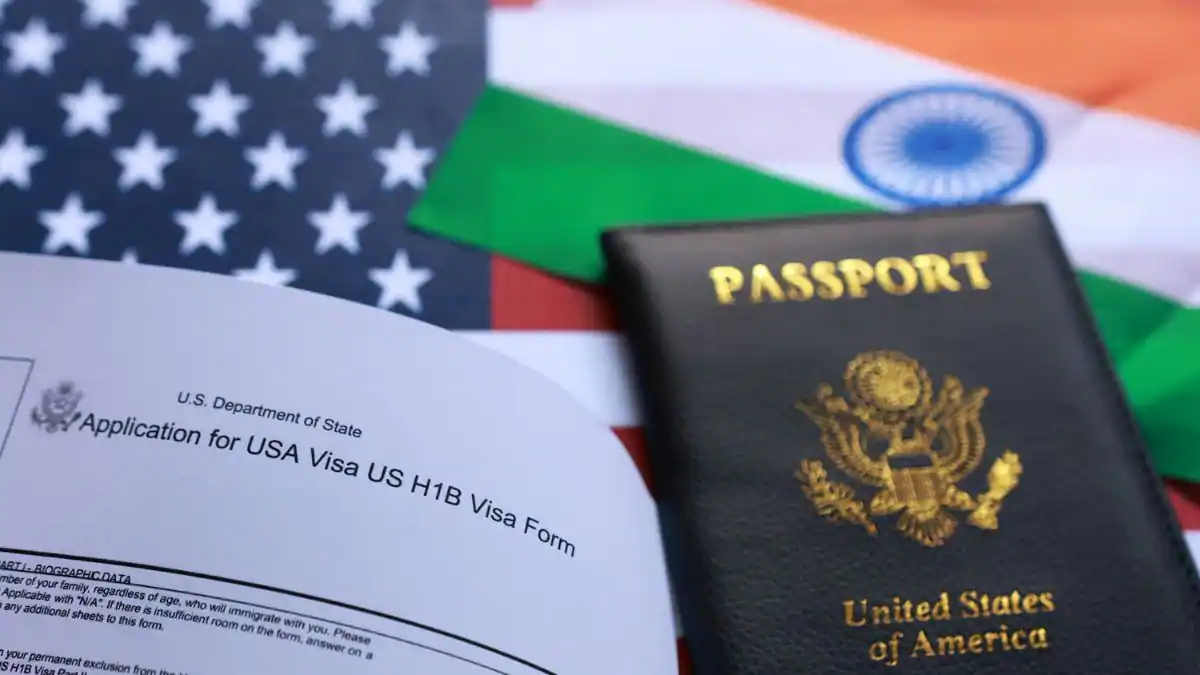
The United States administration has proposed a significant increase in minimum wage requirements under the H-1B visa programme, a move that could dramatically alter hiring practices for foreign skilled workers and reshape the business strategies of global technology firms.
Under the proposed regulation, prevailing wages for H-1B visa holders could rise by nearly 30 percent across multiple wage levels. Officials behind the proposal argue that the revision is intended to ensure foreign professionals are paid salaries comparable to American workers in similar roles and to prevent companies from using overseas talent as a lower-cost alternative to domestic hiring.
The proposal has sparked widespread discussion across the technology industry, immigration circles, and among thousands of Indian professionals who rely on the H-1B programme to work in the United States. Indian nationals represent one of the largest groups of H-1B visa recipients, particularly in sectors such as information technology, software engineering, data science, finance, and consulting.
What the Proposal Includes
According to the proposed rule, wage thresholds across four prevailing wage categories would be revised upward. Entry-level H-1B salaries could rise to nearly $97,746 annually in certain job categories and locations, representing one of the most substantial wage revisions in recent years. Higher skill categories could also see increases ranging between 20 and 33 percent.
The changes would affect not only H-1B visas but also related employment-based immigration categories, including H-1B1, E-3, and PERM labour certification programmes. US authorities have argued that the current wage framework is outdated and does not accurately reflect modern labour market conditions or salary expectations in high-demand industries.
Officials believe the updated wage structure could help protect domestic workers by discouraging companies from hiring foreign employees at salaries lower than market standards. The Department of Labor has opened the proposal for public comments before any final implementation decision is made. 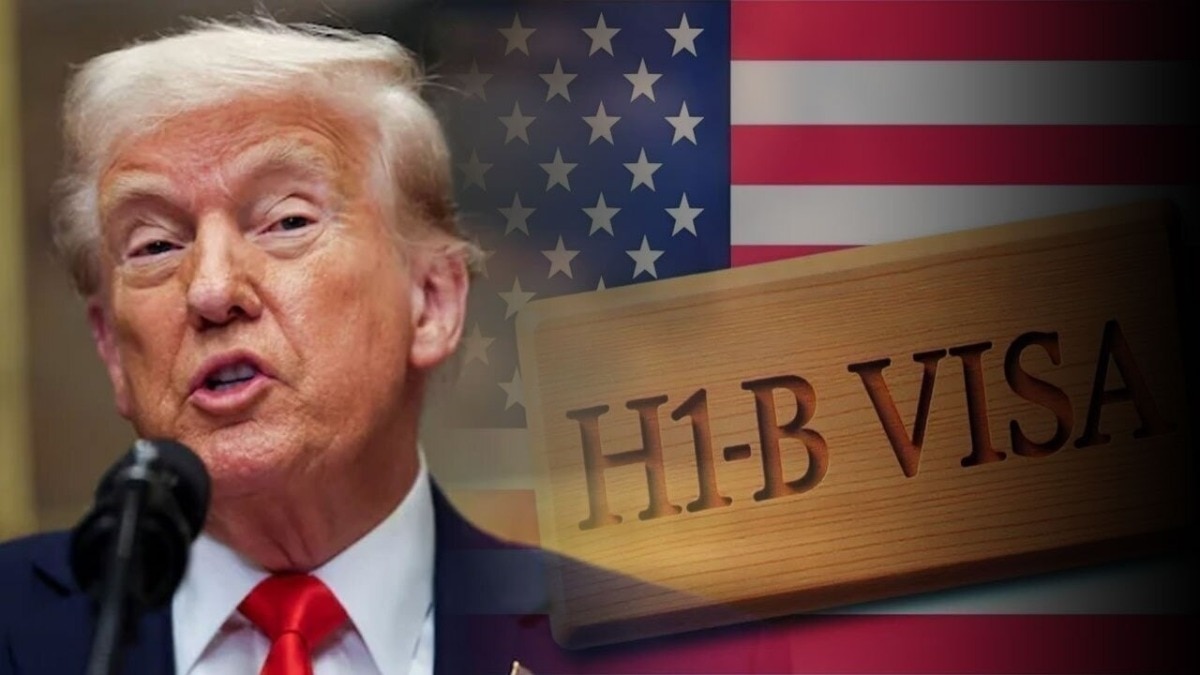
Impact on Indian IT Companies
The proposed wage hike is expected to have a major impact on Indian technology firms that depend heavily on H-1B visas to deploy employees to client sites in the United States.
Large Indian IT companies have traditionally used onsite staffing models that combine US-based projects with offshore support teams in India. A substantial increase in minimum salary requirements could raise operational costs and reduce the economic advantage of deploying junior or mid-level professionals overseas.
Industry analysts believe companies may respond by increasing local hiring within the United States, shifting more work offshore to India, or becoming more selective in sponsoring H-1B applications. Smaller firms and startups may face greater pressure because they could struggle to absorb higher salary expenses for entry-level foreign workers.
At the same time, some experts suggest the policy could encourage businesses to prioritise higher-skilled and more experienced professionals whose expertise justifies elevated salary levels.
Challenges for Entry-Level Professionals
One of the biggest concerns surrounding the proposal is its possible effect on fresh graduates and early-career professionals hoping to secure employment in the United States.
Higher salary thresholds may discourage employers from hiring entry-level candidates under the H-1B programme, especially when companies can recruit experienced workers with stronger technical backgrounds for similar overall costs. Analysts warn that the change could reduce opportunities for international students graduating from American universities and young professionals from countries such as India seeking overseas employment.
However, supporters of the proposal argue that stronger wage protections could improve salary standards for foreign workers already employed in the United States and reduce allegations of wage suppression within the technology industry.
Broader Policy Shift
The proposed rule is being viewed as part of a broader effort to tighten labour protections and reform employment-based immigration systems in the United States. Officials maintain that prevailing wage calculations should more accurately reflect the salaries earned by similarly qualified American workers in comparable positions.
The proposal remains under review and is currently open for feedback from businesses, immigration experts, labour groups, and the public. No final implementation timeline has been announced yet.
For now, employers, foreign workers, and the global technology industry are closely monitoring developments, as the final outcome could influence international hiring trends, global talent mobility, and the future structure of the H-1B visa programme itself.