
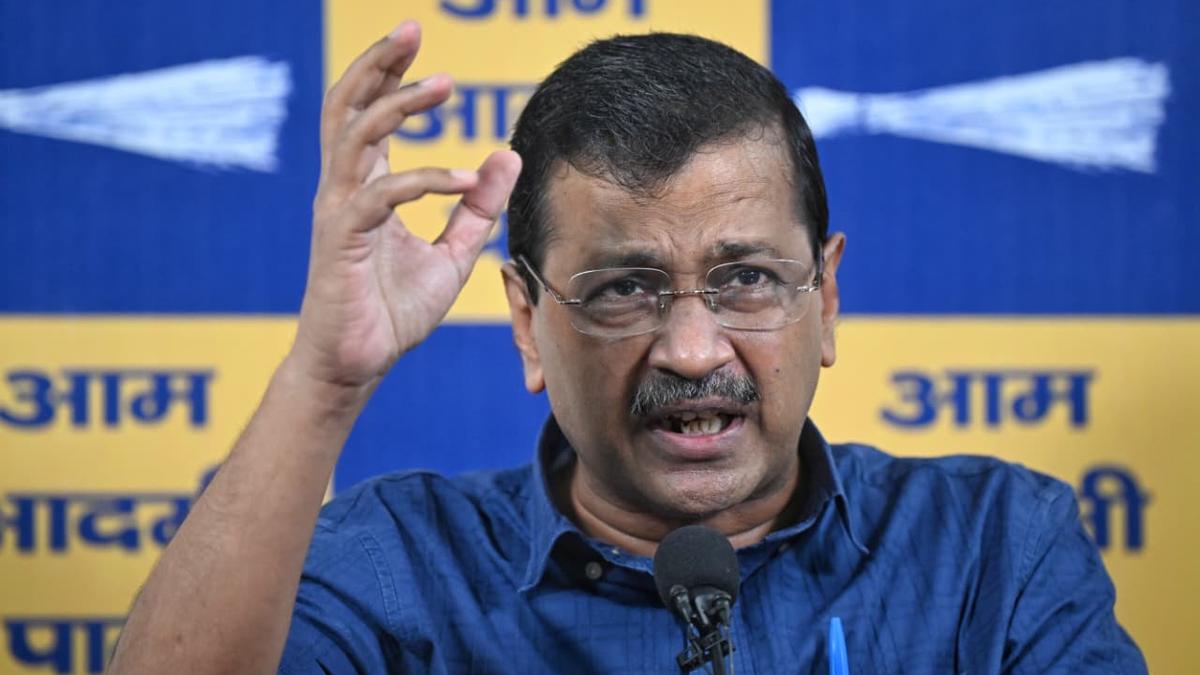
The ongoing controversy surrounding alleged irregularities in the NEET examination has triggered strong political reactions, with senior political leader Arvind Kejriwal urging India’s youth—particularly Gen Z—to take a more active role in demanding accountability and systemic reform.
Addressing the issue, Kejriwal emphasized that repeated concerns over exam integrity and alleged paper leaks have deeply shaken the trust of students across the country. He argued that such incidents not only undermine the credibility of competitive examinations but also severely impact the mental health and future prospects of millions of aspirants who depend on these exams for higher education opportunities.
Call for Youth-Led Accountability Movement
Kejriwal called upon young people to raise their voices against what he described as a failure of the system to ensure transparency and fairness in high-stakes examinations. He specifically highlighted Gen Z as a powerful demographic capable of driving change through collective awareness, digital activism, and civic engagement.
According to his remarks, the youth must move beyond frustration and convert their concerns into a structured demand for accountability from institutions responsible for conducting national-level entrance examinations. 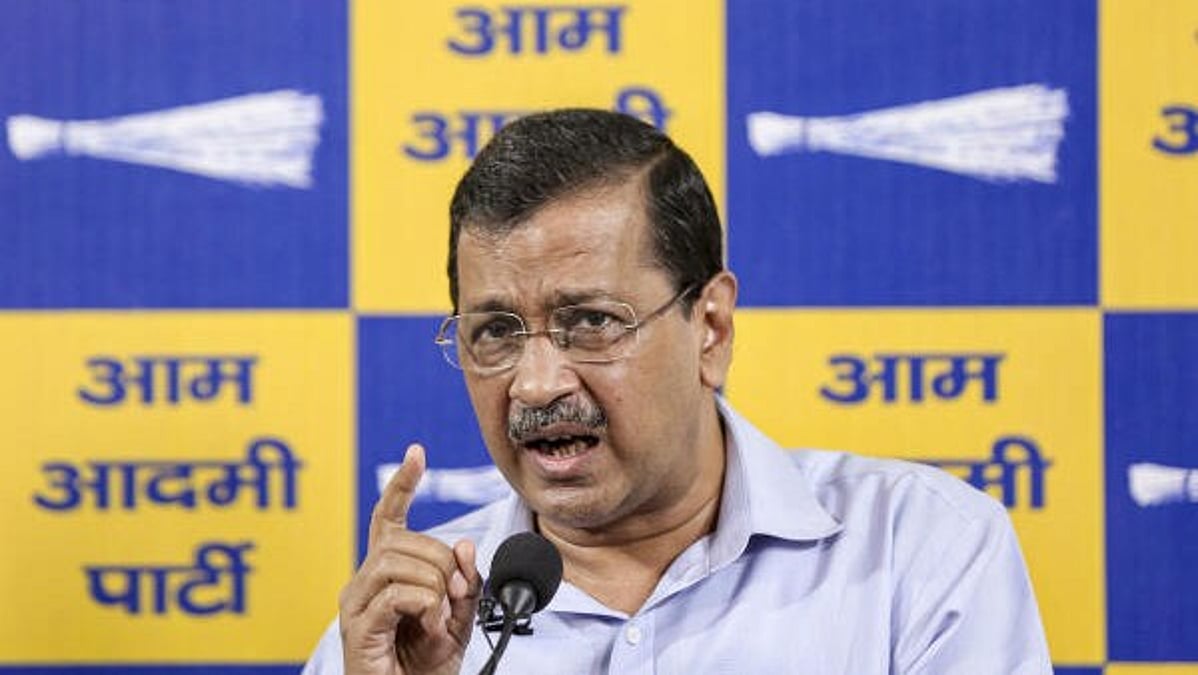
Reference to Youth Movements Abroad
Drawing parallels with youth-led movements in other countries, Kejriwal referenced the example of Nepal’s recent uprising as an illustration of how young citizens have historically played a decisive role in demanding systemic reforms. He suggested that similar collective awareness among India’s youth could push authorities to strengthen examination security and reform recruitment processes.
However, he stressed that the objective should be constructive reform rather than disruption, with a focus on restoring fairness and trust in public examination systems.
Growing Concerns Over Exam Integrity
The NEET controversy has reignited broader concerns over recurring allegations of question paper leaks and administrative lapses in competitive examinations. Students, parents, and education stakeholders have repeatedly called for stronger safeguards, including stricter monitoring mechanisms, transparent evaluation processes, and faster investigation of malpractice cases.
Education experts argue that repeated incidents erode confidence in merit-based selection systems, potentially forcing students into prolonged uncertainty and financial strain due to repeated exam attempts or coaching dependencies.
Political Debate Intensifies
The issue has also added fuel to ongoing political debate over education governance and accountability. Opposition voices have been increasingly critical of the handling of national examinations, demanding structural reforms and stricter enforcement against those involved in malpractice networks.
Kejriwal’s remarks have further amplified the conversation, placing renewed focus on the role of youth activism in shaping policy responses to systemic challenges in India’s education framework.