
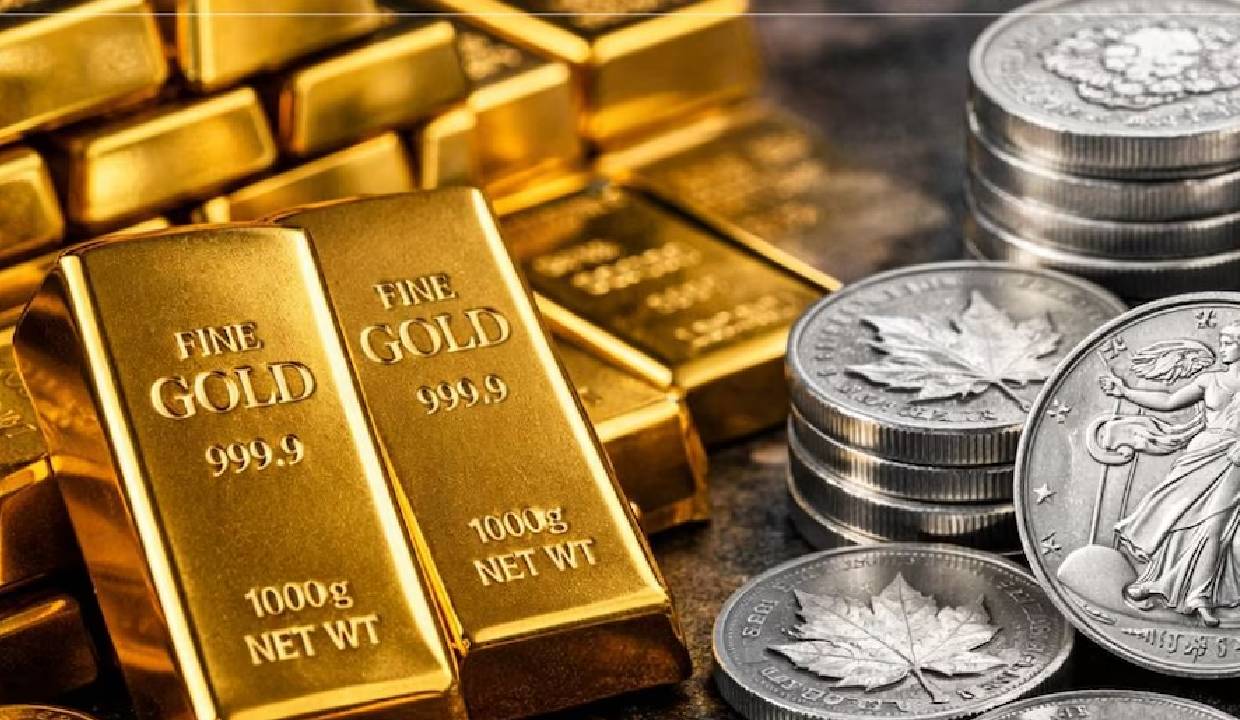
In a significant policy decision aimed at regulating precious metal inflows and strengthening macroeconomic stability, the government has raised the import duty on gold and silver to 15 percent. The move is expected to reshape bullion trade dynamics, impact domestic prices, and curb rising imports of precious metals.
Policy Objective Behind the Duty Hike
The revised customs duty is part of a broader strategy to manage India’s widening import bill and contain pressure on the current account deficit. Gold and silver imports have traditionally been a major contributor to trade imbalance, driven by strong domestic demand for jewellery, investment, and cultural consumption.
By increasing import costs, policymakers aim to discourage excessive imports and promote more balanced consumption patterns. The decision also reflects ongoing efforts to stabilize the currency by reducing outflow of foreign exchange reserves used for bullion purchases.
Impact on Domestic Gold and Silver Prices
The immediate impact of the duty hike is expected to be an increase in domestic gold and silver prices. As imported bullion becomes more expensive, local market rates are likely to adjust upward, affecting retail jewellery prices across the country.
Jewellery manufacturers and traders may face short-term volatility as they recalibrate pricing strategies and manage inventory costs. Consumers, especially during the wedding and festive seasons, could see higher costs for gold purchases. 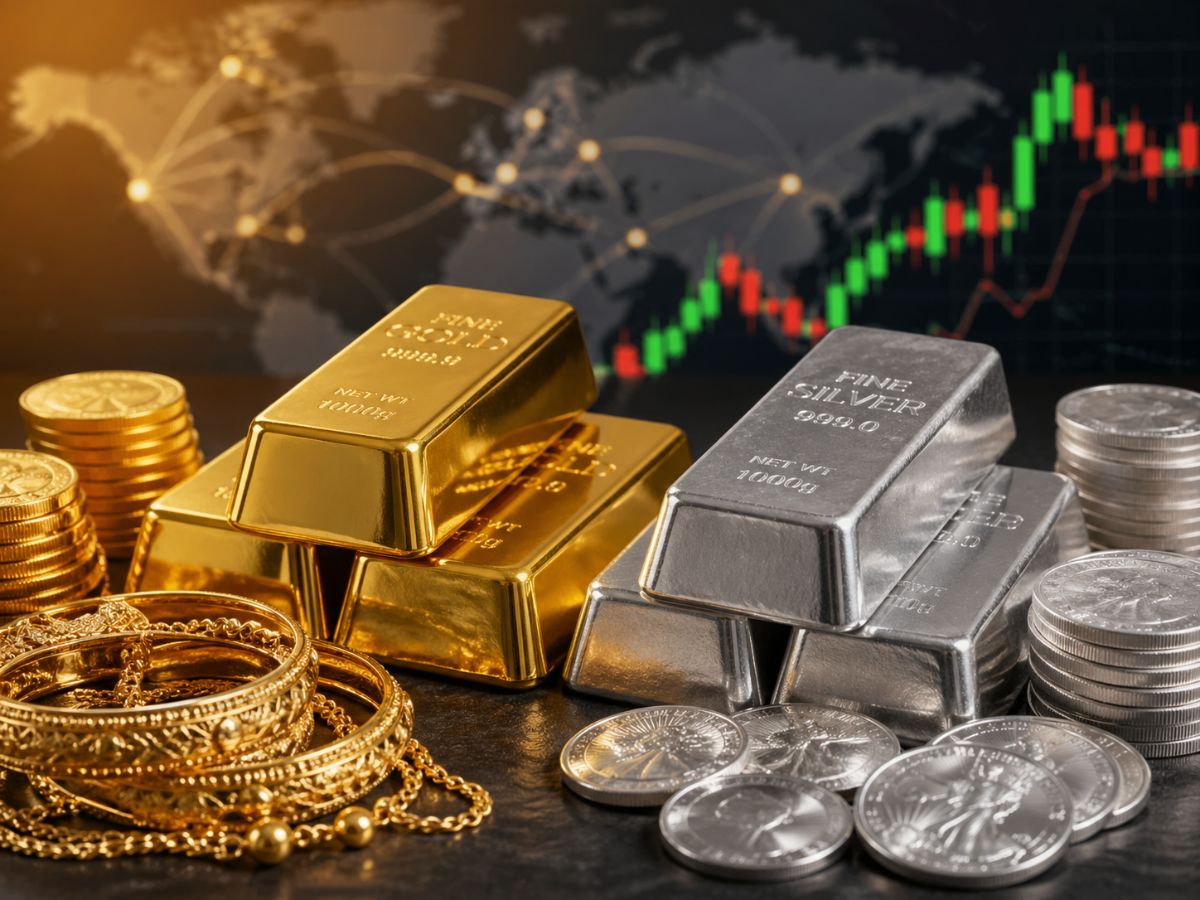
Effect on Importers and Jewellery Industry
Import-dependent businesses, including bullion traders and jewellery manufacturers, are likely to be the most affected by the new duty structure. Higher import costs may squeeze profit margins and reduce demand for fresh imports in the short term.
Industry stakeholders may also explore alternative sourcing strategies, including increased recycling of domestic gold and greater reliance on existing stockpiles. However, smaller jewellers could face liquidity pressure if demand slows due to higher prices.
Macroeconomic Implications
Economists view the move as part of a broader effort to improve external sector stability. By discouraging non-essential imports like gold and silver, the policy is expected to ease pressure on India’s trade deficit and support the rupee in global currency markets.
At the same time, analysts caution that sustained high duties could encourage informal or illegal channels if domestic price differentials become too wide compared to international markets.
Outlook for the Bullion Market
Market participants anticipate short-term disruption followed by gradual adjustment as supply chains stabilize under the new tax regime. Investment demand for gold may see fluctuations, especially among retail buyers reacting to price changes.
Over the longer term, the policy could encourage a shift toward more efficient gold utilization and increased recycling within the domestic market, reducing reliance on imports.