

The Punjab and Haryana High Court has cleared the release of a controversial crime-based docuseries on gangster Lawrence Bishnoi, but with a major condition — the makers must remove the words “Lawrence” and “Punjab” from the title before streaming it on the OTT platform ZEE5.
The decision came after the court heard a petition challenging an advisory issued by the Union Ministry of Information and Broadcasting, which had earlier raised concerns over the release of the series. The ministry, acting on inputs from Punjab Police and state authorities, argued that the documentary could potentially disturb public order and influence young audiences by appearing to normalize organized crime.
Originally titled Lawrence of Punjab, the docuseries was scheduled for release in April 2026. However, legal objections and political controversy delayed its streaming. The Punjab government and several public figures had strongly opposed the project, claiming that it risked glorifying the life and activities of the jailed gangster.
During the proceedings, counsel representing the production side informed the court that the makers were willing to revise the title and remove direct references to both Lawrence Bishnoi and Punjab. Following this assurance, the High Court permitted the release of the series with modifications.
The bench also reportedly reviewed portions of the docuseries and observed that the content did not appear to glorify the gangster or celebrate criminal activities. This observation became a key factor in the court’s decision to set aside the Centre’s advisory against the release.
The controversy surrounding the documentary intensified in recent weeks after concerns were raised about the growing popularity of gangster culture in parts of North India. Critics argued that dramatized portrayals of criminals in films and web series could negatively influence impressionable viewers, especially youth. 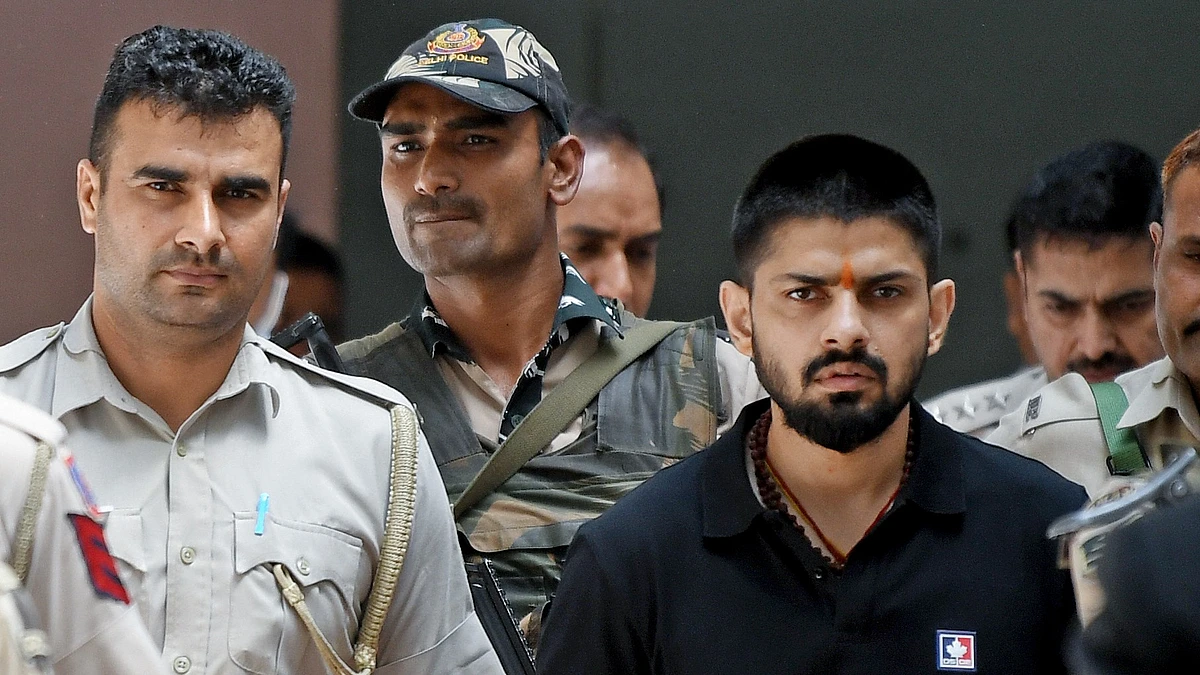
State authorities had maintained that the series contained narrative elements, real footage, and dramatized scenes that could create sympathy or fascination for organized crime networks. They warned that such portrayals could impact law and order and encourage the romanticization of criminal figures.
On the other hand, the makers defended the documentary by describing it as a social and cultural examination of how criminal identities gain visibility through media, politics, and public attention. According to their argument, the series attempts to study the ecosystem around crime rather than celebrate it.
The High Court’s ruling is now being viewed as a significant moment in the ongoing debate over creative freedom versus public sensitivity in the streaming era. The judgment reflects an attempt to balance artistic expression with concerns regarding social impact and public perception.
The case has also reignited discussions about the responsibilities of OTT platforms while producing true-crime content based on real individuals. With crime documentaries and gangster dramas gaining massive popularity across digital platforms, legal scrutiny around such content has increased considerably in recent years.
Lawrence Bishnoi, who remains one of India’s most talked-about gangsters, has frequently been in national headlines over alleged links to extortion cases, organized crime syndicates, and threats involving high-profile celebrities. His name has repeatedly surfaced in investigations connected to criminal networks operating across several states.
The revised title of the docuseries is expected to be finalized before its official streaming release. The court’s direction also extends to promotional materials and trailers, ensuring that the removed references are not used in marketing campaigns.
The ruling may set an important precedent for future OTT productions dealing with real-life criminal personalities, especially those capable of generating strong public reactions or political sensitivity.