
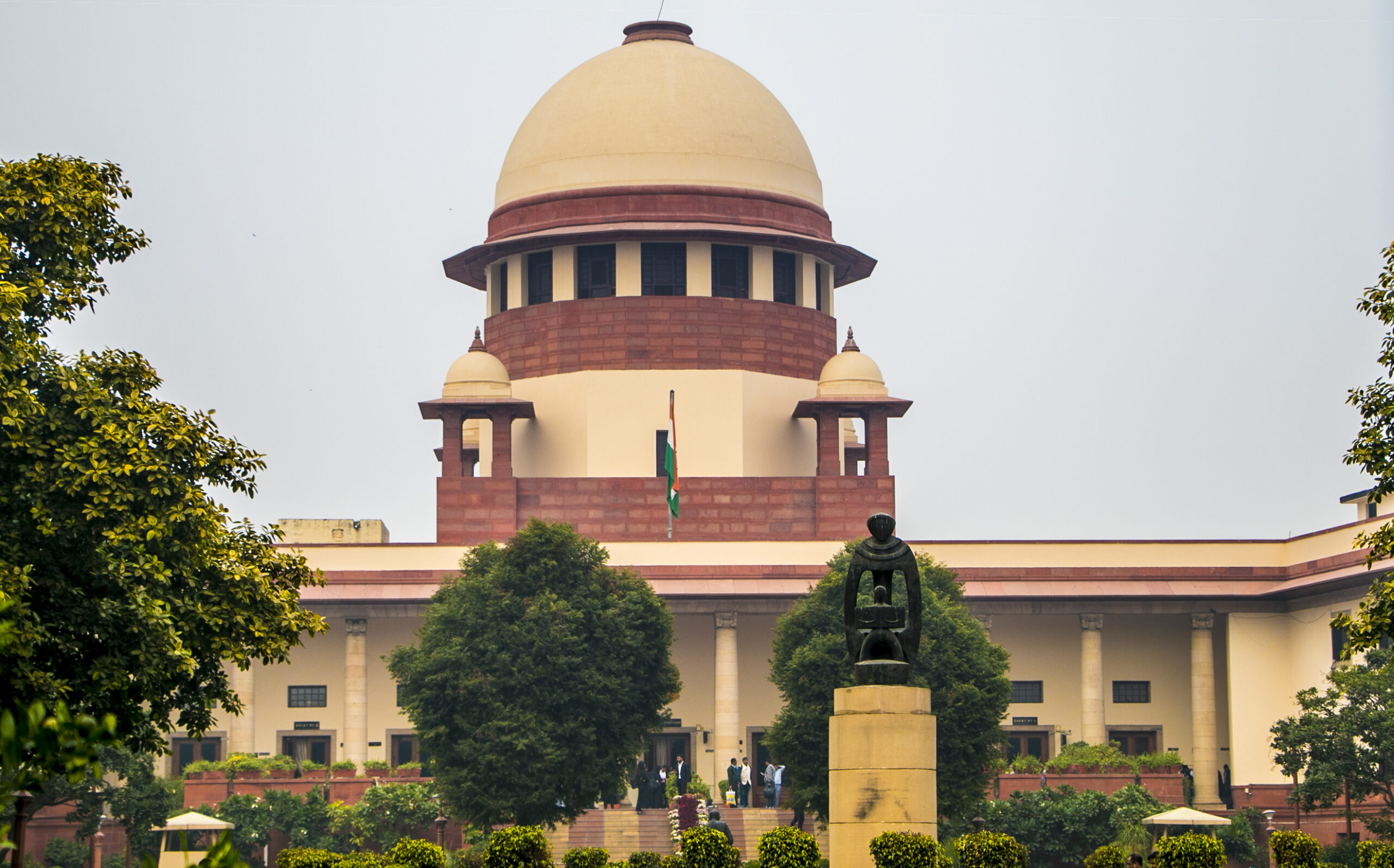
The Supreme Court has expressed serious concern over the worsening narcotics situation in Punjab, describing the rise in drug-related crimes and addiction cases as “alarming” while strongly criticizing the state’s enforcement strategy. During a hearing linked to the functioning of special courts under stringent laws, the apex court urged authorities to focus on dismantling powerful drug syndicates instead of merely targeting small-time offenders.
A bench led by Chief Justice of India Surya Kant and Justice Joymalya Bagchi made the observations while reviewing issues related to the establishment of exclusive courts for cases under special legislations, including the Narcotic Drugs and Psychotropic Substances (NDPS) Act. The judges questioned Punjab’s approach in handling the growing drug menace and warned that the crisis was rapidly escalating beyond manageable limits.
The court noted that the increase in NDPS-related cases in Punjab reflected a deep-rooted and organized criminal network operating across regions. The judges observed that authorities appeared more focused on arresting low-level peddlers while influential operators and large traffickers remained untouched.
During the proceedings, the bench highlighted the devastating social impact of drug abuse in Punjab, referring to heartbreaking instances of families losing multiple members to addiction. The court emphasized that such incidents demonstrated the scale of the humanitarian crisis emerging from narcotics abuse in the state.
The Chief Justice sharply questioned the functioning of law enforcement agencies, stating that publicity-driven policing would not solve the problem. According to the court, meaningful progress could only be achieved if investigators pursued the powerful individuals and organized groups allegedly controlling the narcotics supply chain.
The bench further remarked that drug trafficking networks do not function in isolation and are often linked through inter-state syndicates with significant financial and political influence. It stressed the need for coordinated efforts between state authorities, central agencies, and judicial institutions to break these criminal networks. 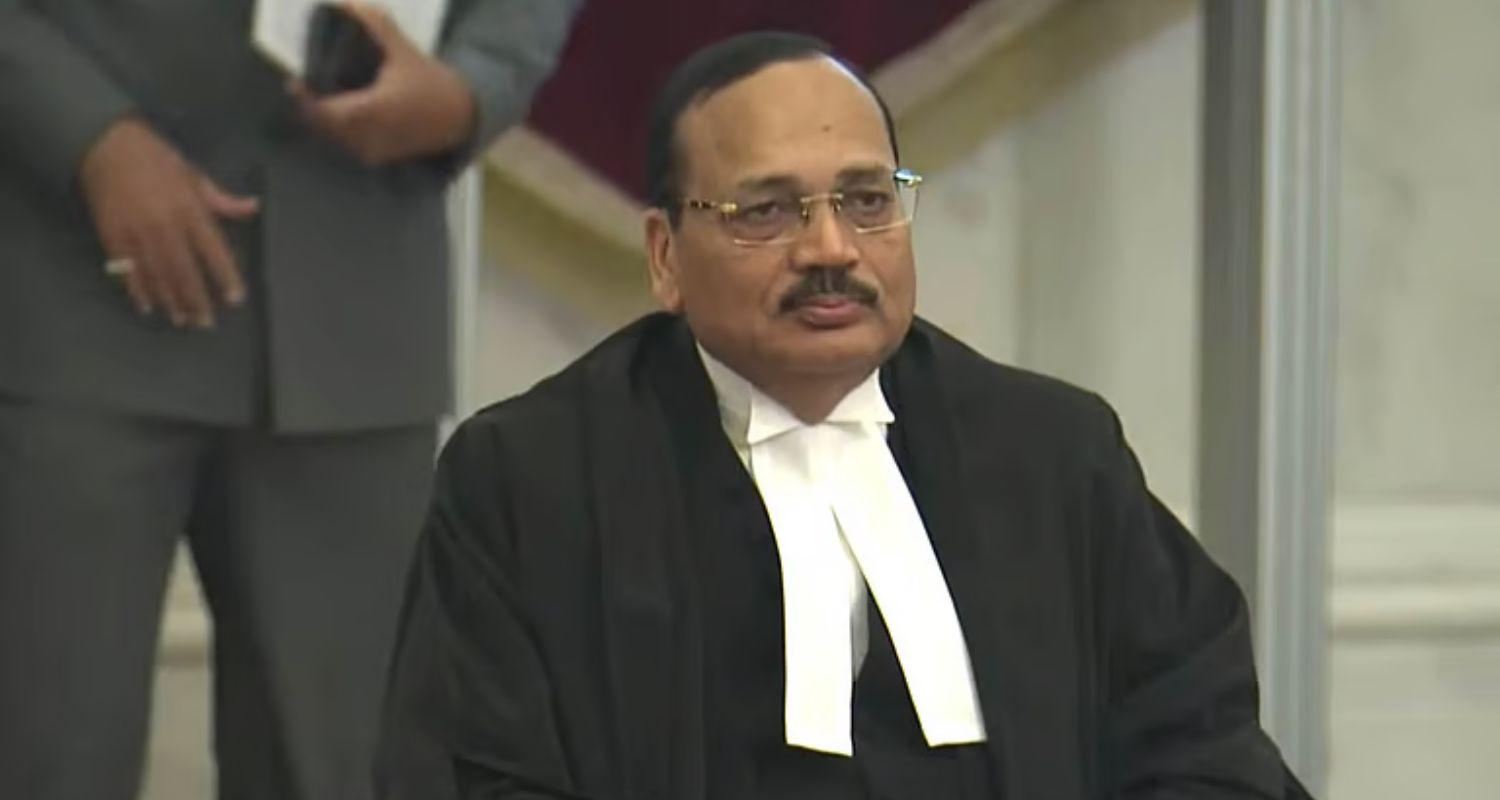
The court indicated that a broader structural response may now be necessary to combat the crisis effectively. It suggested that cooperation between the Centre and the state government should be viewed as a collective effort against organized crime rather than a political issue.
Apart from criticizing enforcement failures, the Supreme Court also focused on the judicial burden caused by the growing number of NDPS cases. The bench discussed the urgent requirement for exclusive courts dedicated to handling narcotics-related trials to ensure faster disposal of pending cases.
Representatives appearing for the Union government informed the court that consultations were underway regarding the establishment of dedicated NDPS courts across states. Financial support for infrastructure and staffing was also discussed during the hearing.
The court proposed a framework under which states with varying numbers of pending narcotics cases would receive dedicated courts accordingly. States with a moderate number of pending trials may receive one special court, while states with larger case loads could receive multiple courts to speed up proceedings.
The bench directed high courts and state governments to coordinate on identifying suitable infrastructure and logistical support for these courts within a stipulated time frame. It also emphasized that judicial officers assigned to these courts should focus on day-to-day hearings to ensure faster completion of trials.
Legal observers believe the Supreme Court’s remarks reflect growing concern within the judiciary over Punjab’s long-standing drug problem, which has repeatedly emerged as a major social and political issue. The state has battled narcotics abuse for years, with repeated allegations that organized trafficking networks continue to operate despite enforcement campaigns.
The court’s intervention is likely to intensify pressure on both the Punjab government and central agencies to adopt a more aggressive and coordinated anti-narcotics strategy. Experts say the focus may now shift toward identifying the financial, logistical, and political structures sustaining the illegal drug trade rather than concentrating solely on street-level arrests.
The hearing also highlighted broader concerns about delays in trials under special laws. By calling for dedicated NDPS courts, the Supreme Court signaled its intention to strengthen the judicial framework needed to tackle complex organized crime cases more efficiently.
With the judiciary openly voicing concern over the human cost of addiction and the apparent resilience of drug syndicates, the issue is expected to remain at the forefront of public debate in Punjab in the coming months.