
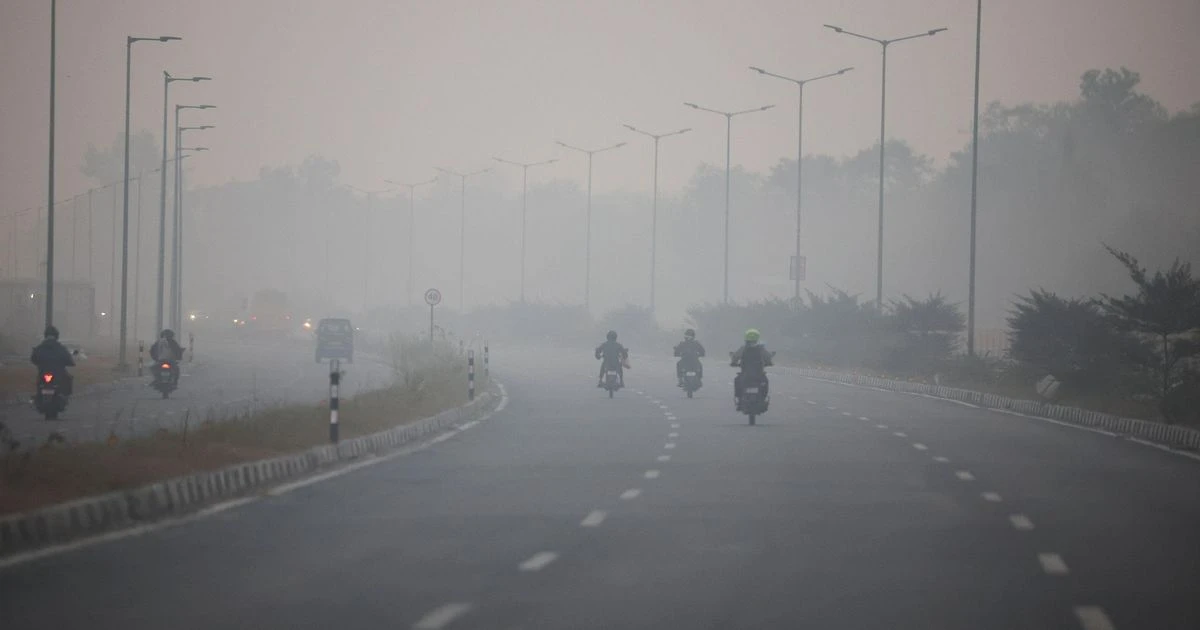
The Delhi government has introduced an advanced technological initiative called “Road Radar” to identify and monitor sources contributing to air pollution across the national capital. The move is being seen as a significant step toward strengthening environmental surveillance and improving the city’s response to deteriorating air quality conditions.
Officials stated that the newly launched system is designed to detect and analyse pollution-generating activities on roads and surrounding urban spaces in real time. The technology-driven mechanism aims to provide authorities with detailed data that can help pinpoint specific pollution hotspots and identify the primary contributors to airborne particulate matter.
The initiative forms part of the government’s broader strategy to tackle persistent air pollution challenges that intensify during various seasons due to vehicular emissions, road dust, construction activities, industrial pollution, and waste burning. Authorities believe that enhanced monitoring through modern technology can lead to more effective enforcement and quicker corrective action.
According to officials involved in the project, the Road Radar system uses a combination of sensors, imaging technologies, and analytical tools to monitor road conditions and pollution-related activities. By gathering continuous environmental data, the system can assist agencies in detecting dust accumulation, emission-heavy traffic corridors, and other localized pollution sources that often remain difficult to track using conventional monitoring methods.
The collected information will reportedly be integrated into a centralized monitoring framework, allowing authorities to study trends and respond more efficiently. Real-time insights are expected to support field inspections, improve accountability, and assist departments responsible for environmental management and urban regulation. 
Environmental experts have long argued that pollution control in Delhi requires not only policy measures but also precise identification of emission sources. The deployment of such technology could help narrow the gap between monitoring and enforcement by enabling data-based interventions rather than relying solely on periodic inspections.
Officials noted that the initiative is also expected to strengthen coordination among civic agencies. Departments responsible for road maintenance, traffic management, construction regulation, and environmental protection may use the data generated by the system to undertake targeted action in affected areas.
Air pollution remains one of the most pressing environmental and public health concerns in Delhi. The city regularly records high levels of particulate matter, especially during winter months when weather conditions trap pollutants closer to the ground. Experts have linked prolonged exposure to polluted air with respiratory diseases, cardiovascular conditions, and other serious health complications.
The introduction of the Road Radar system comes amid continued efforts by authorities to modernize environmental governance through technology-backed solutions. Over recent years, governments and pollution control agencies have increasingly relied on satellite monitoring, smog towers, anti-dust campaigns, electric mobility initiatives, and stricter construction guidelines to address the worsening pollution crisis.
Authorities believe that identifying pollution sources with greater accuracy can improve long-term policy planning and help prioritize areas requiring urgent intervention. The data generated by the system may also contribute to future urban planning decisions aimed at reducing environmental stress in densely populated zones.
Experts say that while technology alone cannot solve the pollution crisis, initiatives such as Road Radar can enhance transparency and improve operational efficiency if implemented consistently. Effective coordination between agencies, strict enforcement, and sustained public participation will remain crucial for achieving measurable improvements in Delhi’s air quality.
The government is expected to gradually expand the use of the monitoring system across multiple high-risk corridors and pollution-prone areas in the city. Officials maintain that the initiative represents a proactive attempt to build a more responsive and scientifically driven pollution-control framework for the capital.