
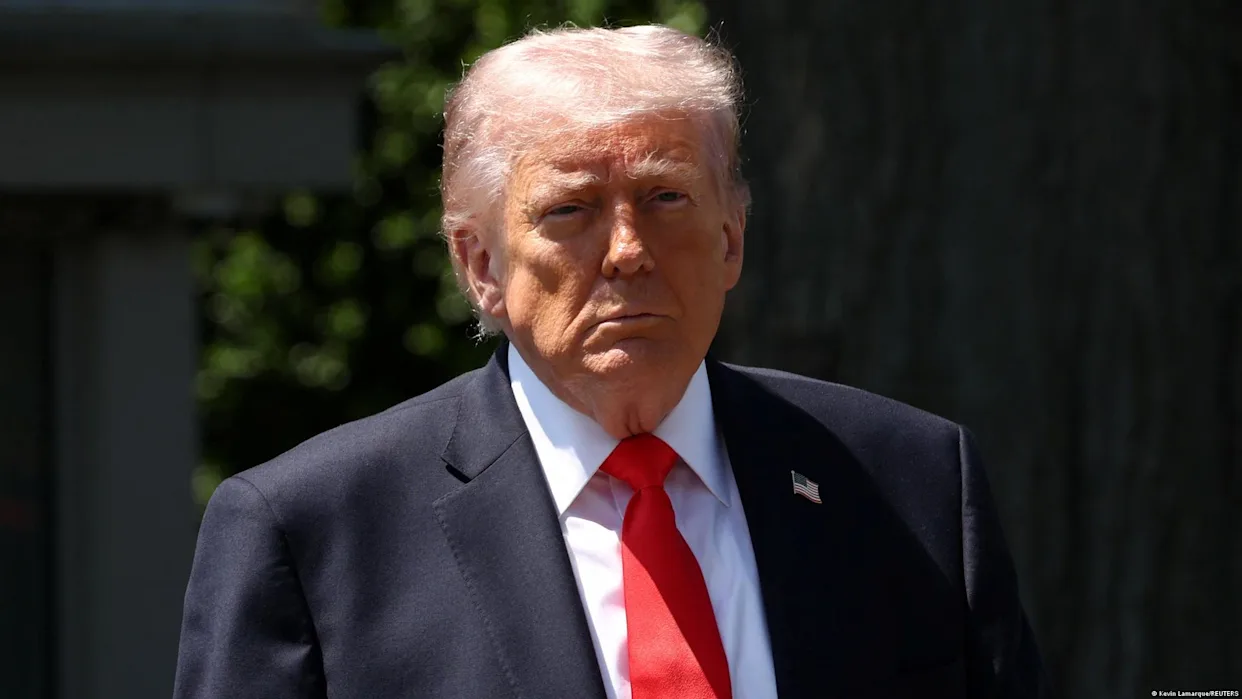
A United States trade court has dealt a major legal blow to former President Donald Trump’s trade agenda by ruling that his administration’s sweeping 10% global tariffs were not legally justified under federal law. The verdict marks another significant setback for Trump’s aggressive tariff-driven economic strategy and could reshape the future of presidential trade powers in the United States.
The ruling was delivered by the U.S. Court of International Trade in a closely watched case challenging the legality of the across-the-board import tariffs introduced earlier this year. In a 2-1 decision, the court concluded that the administration failed to establish sufficient legal grounds to impose the tariffs under Section 122 of the Trade Act of 1974.
The tariffs, which affected a broad range of imported goods entering the United States, were introduced as part of Trump’s renewed effort to protect American manufacturing and reduce the country’s long-standing trade deficit. The administration argued that the measures were necessary to address what it described as a serious imbalance in international payments and unfair trade conditions impacting U.S. industries.
However, the court rejected that justification, stating that a regular trade deficit alone does not meet the legal threshold required under the decades-old trade statute. Judges questioned whether the administration had improperly stretched the law beyond its intended purpose, which historically applies to emergency balance-of-payments crises rather than persistent trade imbalances.
The legal challenge was brought forward by a coalition of small businesses and several U.S. states that argued the tariffs imposed heavy financial burdens on importers, retailers, and consumers. Plaintiffs contended that the administration attempted to use outdated legal provisions to bypass previous judicial limitations placed on presidential tariff powers.
The court ultimately sided with the businesses involved in the lawsuit, finding that the tariffs lacked adequate legal backing. However, the ruling’s immediate scope remains limited. The decision directly benefits only the companies and entities involved in the case, meaning the tariffs may continue to apply to many other importers while appeals move through higher courts.
Legal experts believe the case could have far-reaching implications for executive authority in trade policy. The decision reinforces growing judicial scrutiny over the use of emergency or temporary economic powers to impose sweeping import duties without explicit approval from Congress. 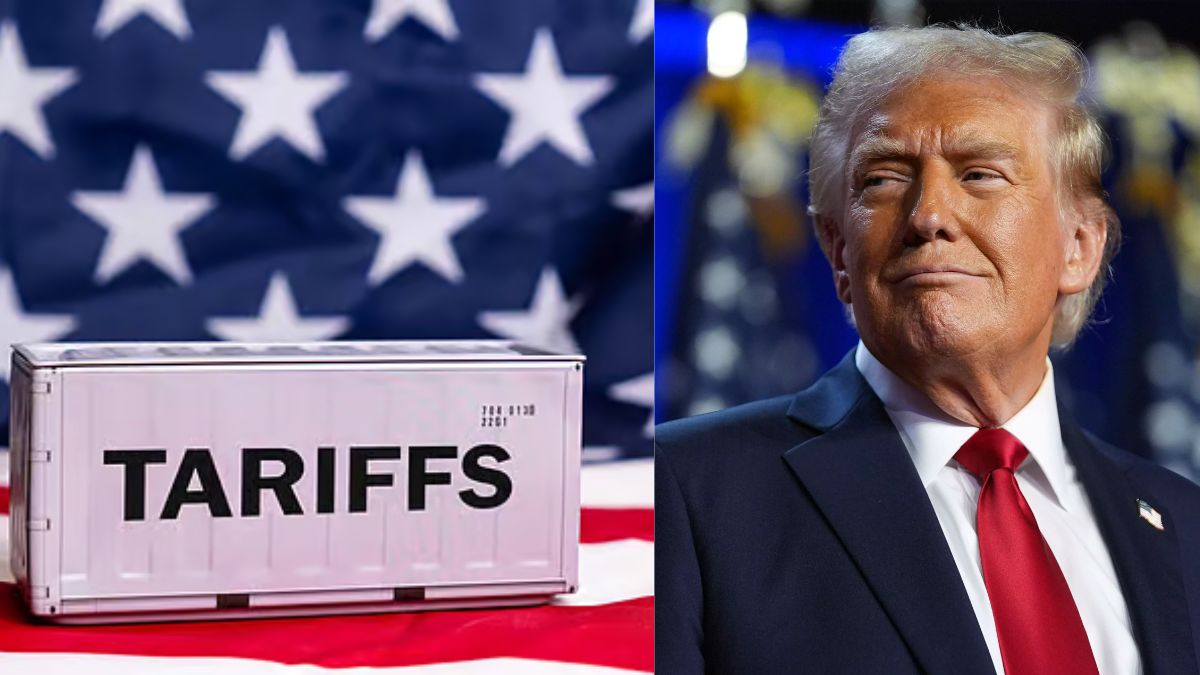
The ruling also comes after earlier court decisions that weakened Trump’s broader tariff framework. In previous cases, courts questioned the administration’s use of emergency economic laws to justify tariffs imposed on goods from several countries. Those decisions collectively signaled increasing resistance within the judiciary toward expansive presidential control over trade measures.
Economic analysts say the uncertainty surrounding the tariffs has already affected businesses across multiple sectors. Companies dependent on imported goods have faced rising operational costs, supply chain disruptions, and fluctuating pricing structures due to the ongoing legal battles over trade policy.
Small business groups welcomed the court’s latest decision, describing it as a victory for importers and consumers who have struggled with elevated costs tied to tariff policies. Many industry representatives argued that the tariffs created financial strain without delivering the promised economic benefits to American manufacturing.
Meanwhile, Trump and his allies have continued defending the tariffs as a necessary tool to protect U.S. economic interests and pressure foreign trading partners. Supporters of the policy claim tariffs helped bring attention to unfair trade practices and encouraged companies to invest more heavily in domestic production.
The Trump administration is expected to appeal the ruling, setting up another major legal confrontation over the limits of presidential trade authority. Trade policy observers believe the case could eventually reach higher federal courts, potentially resulting in a landmark decision on the balance of power between Congress and the executive branch in shaping U.S. trade strategy.
The controversy surrounding the tariffs also arrives during a politically sensitive period, as trade and manufacturing remain key themes in Trump’s economic messaging. The former president has repeatedly argued that strong tariff policies are essential to reviving American industry and reducing dependence on foreign imports.
Despite the court setback, analysts expect discussions around tariffs, trade deficits, and domestic manufacturing protection to remain central topics in U.S. economic and political debates heading into the coming months.
The decision is likely to intensify conversations about the future direction of American trade policy, especially as businesses, lawmakers, and international trading partners closely monitor how the appeals process unfolds.