
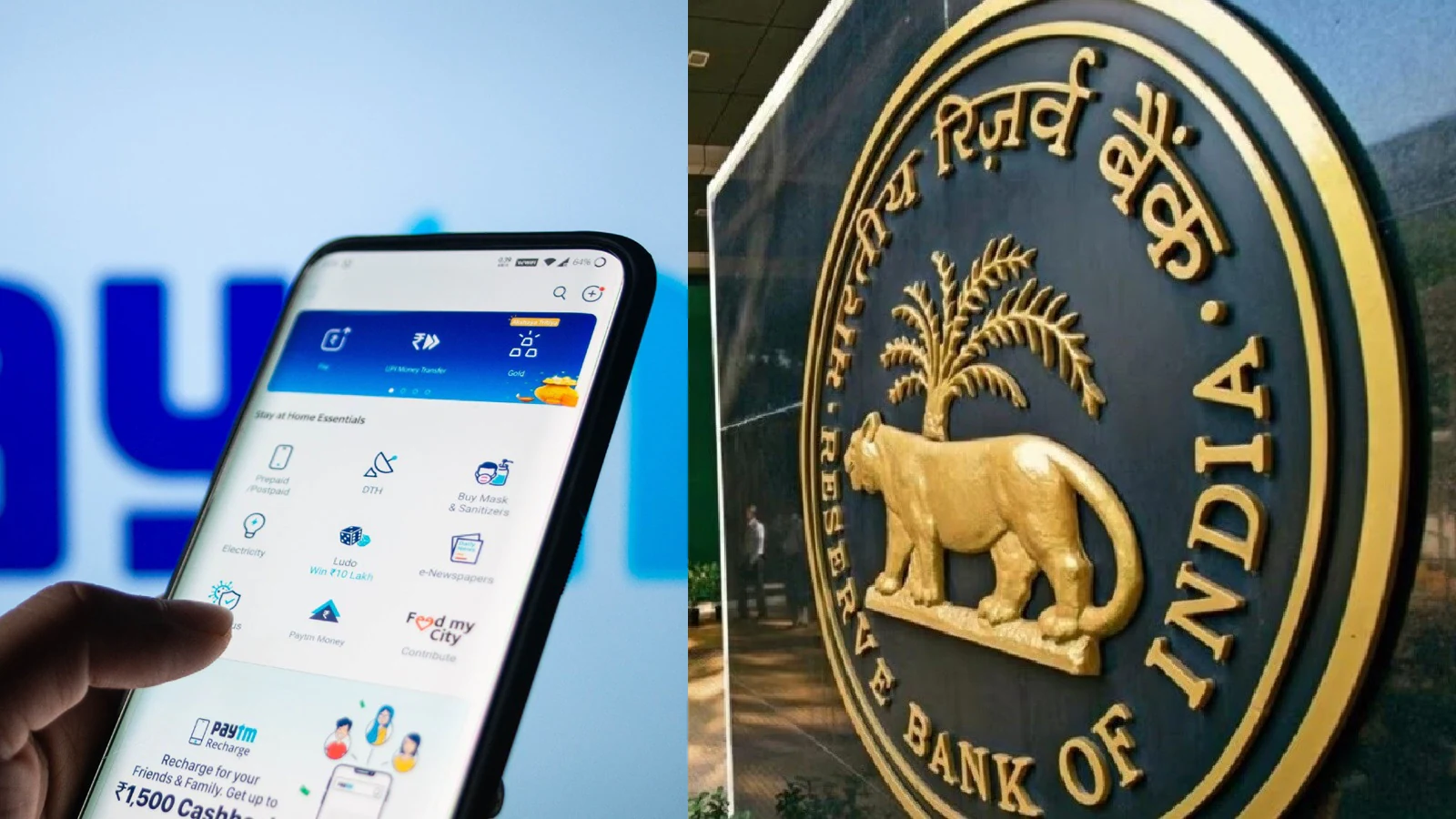
In a significant regulatory action, the Reserve Bank of India has cancelled the banking licence of Paytm Payments Bank, marking a major development in India’s financial and fintech landscape. The decision, which came into effect on April 24, effectively bars the payments bank from carrying out banking operations under the provisions of the Banking Regulation Act.
The central bank’s move follows a prolonged period of scrutiny and regulatory restrictions imposed on the entity over persistent non-compliance with norms governing payments banks. Authorities stated that the bank’s operations and management practices were found to be detrimental to the interests of depositors and not aligned with public interest.
Regulatory Concerns and Compliance Failures
The RBI highlighted multiple concerns, including failures in adhering to licensing conditions and lapses in maintaining proper regulatory standards. The bank’s affairs were reportedly conducted in a manner that raised serious questions about governance and oversight.
Earlier regulatory actions had already restricted the bank from onboarding new customers and accepting fresh deposits. These measures were taken after repeated warnings and supervisory concerns related to customer due diligence, fund management practices, and technological infrastructure deficiencies.
The final decision to revoke the licence indicates that corrective measures undertaken by the bank were insufficient to address the regulator’s concerns.
Impact on Operations and Customers
With the licence cancellation, Paytm Payments Bank can no longer conduct banking activities, including accepting deposits, facilitating payments, or maintaining accounts. The RBI has indicated that steps will be taken to initiate the winding-up process through the appropriate legal framework.
However, the regulator has also reassured that the bank possesses adequate liquidity to repay its depositors. Customers are expected to be able to withdraw their existing balances, ensuring that their funds remain protected during the transition.
Background: A Payments Bank Model Under Scrutiny
Paytm Payments Bank was established as part of India’s push towards financial inclusion through digital banking. Payments banks are allowed to accept limited deposits and provide basic banking services but are restricted from issuing loans.
Despite its rapid growth and widespread adoption, the bank faced ongoing regulatory challenges. Over the years, authorities flagged issues related to compliance, governance, and operational transparency, which eventually culminated in this decisive action.
Broader Implications for Fintech Sector
The cancellation of the licence sends a strong signal to the broader fintech ecosystem regarding the importance of regulatory compliance and robust governance frameworks. As digital financial services continue to expand in India, regulators are expected to maintain strict oversight to safeguard consumer interests and financial stability.
The move may also prompt fintech firms to reassess their compliance mechanisms and operational practices to avoid similar regulatory interventions.