
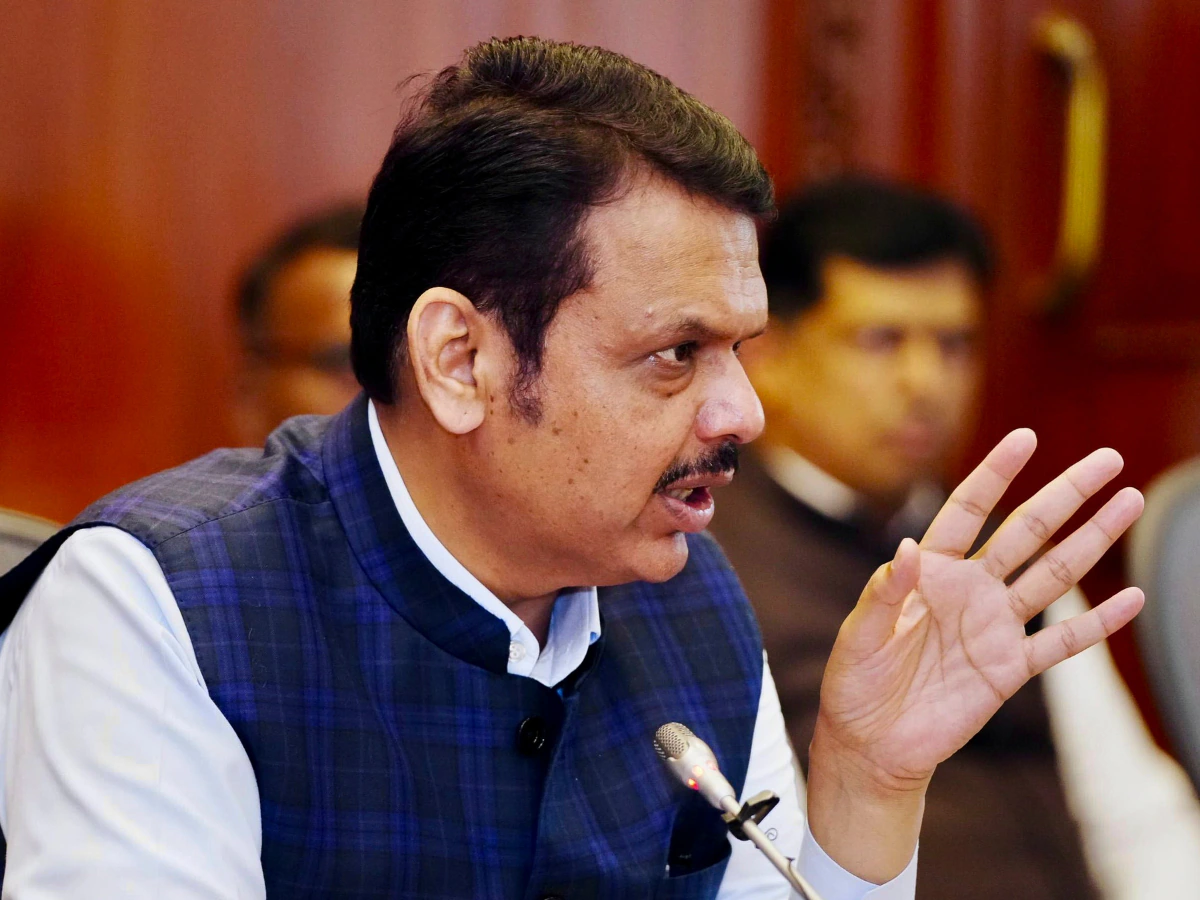
Maharashtra Chief Minister Devendra Fadnavis has clarified the state government’s position on Marathi language requirements for passenger transport drivers, saying Marathi will receive priority in Maharashtra while people speaking other Indian languages should not face discrimination.
His remarks come amid discussion over recent changes to the Maharashtra Motor Vehicles Rules, 1989, under which autorickshaw, taxi and app-based cab drivers are required to have a working knowledge of Marathi. The amended provisions have raised questions over how the language requirement will be implemented and what level of Marathi proficiency drivers are expected to demonstrate.
Fadnavis said the government’s approach was not intended to create a conflict between languages. He stressed that regional identity and the state’s language should be respected, while maintaining that people speaking other languages should continue to be treated fairly.
Fadnavis explains Maharashtra’s language position
Fadnavis said Marathi would naturally receive priority because it is the mother tongue and regional language of Maharashtra. At the same time, he emphasised that India’s linguistic diversity should also be respected.
According to the chief minister, language should not become a reason for unfair treatment. He said the state government’s position was to recognise Maharashtra’s regional identity while respecting other Indian languages as well.
The comments came amid a wider political discussion over the role of Marathi in public life and employment in Maharashtra. In July, Shiv Sena (UBT) and Maharashtra Navnirman Sena had organised a joint rally focused on Marathi pride.
Fadnavis also criticised political attempts to make language a central issue of political mobilisation, saying the government did not view languages as a source of conflict.
What the driver language requirement means
The controversy centres on amendments made to the Maharashtra Motor Vehicles Rules, 1989. Under the revised provisions, passenger transport drivers who do not possess a working knowledge of Marathi may face action against their driving licences.
The requirement applies to drivers operating autorickshaws, taxis and app-based cabs. From August 18, drivers found without the required working knowledge of Marathi can face suspension of their licences for a period of up to three months. Repeated violations may result in cancellation of the licence.
The government has maintained that the requirement is connected to communication between drivers and passengers, particularly in situations where passengers need to communicate with drivers about destinations, directions or other travel-related concerns.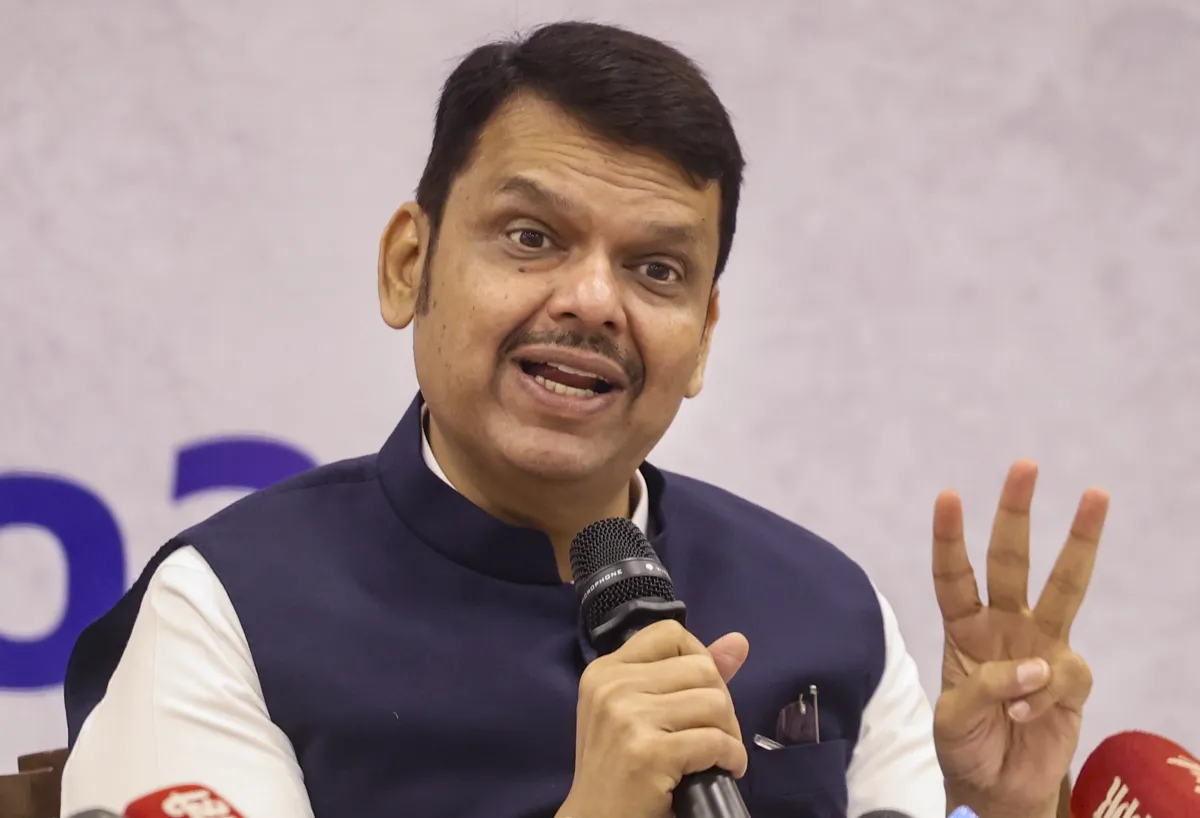
Fadnavis says only basic Marathi is required
Fadnavis sought to explain the extent of the language requirement, saying it should not be interpreted as a demand for comprehensive Marathi proficiency.
He said the material prepared for drivers was limited to basic, functional Marathi that could be used during routine interactions with passengers. According to him, the learning material consisted of only a small syllabus covering simple phrases required for communication.
The chief minister cited basic expressions that drivers could use while asking passengers to sit or communicating during a journey. He said the intention was to provide drivers with sufficient language skills for everyday interaction rather than require them to become fluent Marathi speakers.
Fadnavis also said representatives of taxi and autorickshaw unions in Mumbai who primarily speak Hindi had expressed interest in learning basic Marathi. However, he said some of them had requested additional time to meet the requirement.
Government says communication is the key objective
Maharashtra Transport Minister Pratap Sarnaik has also defended the language provision, saying working knowledge of Marathi is important for passenger transport drivers.
The transport department has said the requirement is intended to make communication between drivers and commuters more effective. Drivers regularly interact with passengers from different backgrounds, and the government has argued that knowledge of the local language can help them understand passengers’ concerns and provide smoother service.
Sarnaik has said that the amended provisions are intended to remove ambiguity surrounding the language requirement and make the expectations for passenger transport drivers clearer.
Under the rule, a driver’s licence can be suspended for up to three months when the required Marathi knowledge is absent. Repeated violations can lead to cancellation of the licence.
Language debate continues in Maharashtra
The issue has become part of a broader debate over the place of Marathi in Maharashtra’s public and professional life. Supporters of the requirement have linked knowledge of the local language with communication between service providers and residents, while concerns have been raised over how the rule could affect workers who have migrated to Maharashtra from other parts of India.
The chief minister’s latest comments attempt to distinguish between promoting Marathi and discriminating against people on the basis of their mother tongue. His stated position is that Marathi should retain its importance in Maharashtra while speakers of Hindi and other Indian languages should not be unfairly treated.
For passenger transport workers, the immediate issue remains the requirement to acquire basic working knowledge of Marathi and comply with the amended transport rules. The government’s implementation of the provisions is therefore likely to remain under scrutiny as drivers, unions and transport authorities adjust to the new requirements.
The language debate also highlights the practical challenge of balancing regional linguistic identity with Maharashtra’s multilingual population, particularly in urban centres such as Mumbai, where transport workers and passengers come from diverse linguistic backgrounds.