
India’s expanding transport infrastructure is significantly reducing travel time across several major routes, with new expressways, bridges, tunnels and faster trains transforming long-distance connectivity across the country.
The infrastructure expansion is aimed not only at shortening journeys but also at creating more direct links between major cities, industrial centres, tourist destinations and strategically important regions. Recent infrastructure projects have reduced the impact of difficult terrain, river crossings and congested road networks that previously added several hours to journeys.
Among the most prominent examples are the Delhi-Mumbai Expressway, Delhi-Meerut Expressway, Bengaluru-Mysuru Expressway, Delhi-Dehradun Economic Corridor, Mumbai-Nagpur Expressway and Delhi-Amritsar-Katra Expressway. Rail connectivity has also improved through newer Vande Bharat services and upgrades to existing railway operations.
Delhi-Mumbai journey targeted at around 12 hours
One of the biggest changes is expected on the Delhi-Mumbai route. The Delhi-Mumbai Expressway is being developed to bring road travel between the two metropolitan centres down to approximately 12 hours.
The journey earlier took around 33 hours, making the reduction particularly significant for both passengers and freight movement. The expressway is expected to improve connectivity between major economic centres while reducing the time required to move goods and people across the country.
Other expressways have already demonstrated similar reductions.
The 82-km Delhi-Meerut Expressway has brought the journey between the two cities down from roughly two and a half hours to around 50 minutes. Similarly, the Bengaluru-Mysuru Expressway has reduced travel time from nearly three hours to approximately 75 minutes.
The Delhi-Dehradun Economic Corridor has also substantially shortened the road journey between the national capital and Dehradun. The journey, which previously required more than six hours, can now be completed in around two and a half hours.
Another major example is the Mumbai-Nagpur Samruddhi Mahamarg. The expressway has reduced the road journey between the two cities from around 16 hours to approximately eight hours.
Gujarat routes also see major travel-time reductions
Infrastructure development in Gujarat has resulted in shorter journeys on important regional routes.
The Ahmedabad-Dholera Expressway has reduced the distance between Ahmedabad and Dholera from around 100 km to 83 km, while travel time has fallen from approximately two hours and 15 minutes to about 45 minutes.
The Ahmedabad-Bhavnagar route has also become faster. The journey has been reduced from roughly 169 km and three hours and 15 minutes to around 141 km and one hour and 45 minutes.
These improvements are particularly significant for industrial, commercial and regional connectivity, as faster road links can make movement between economic centres more efficient.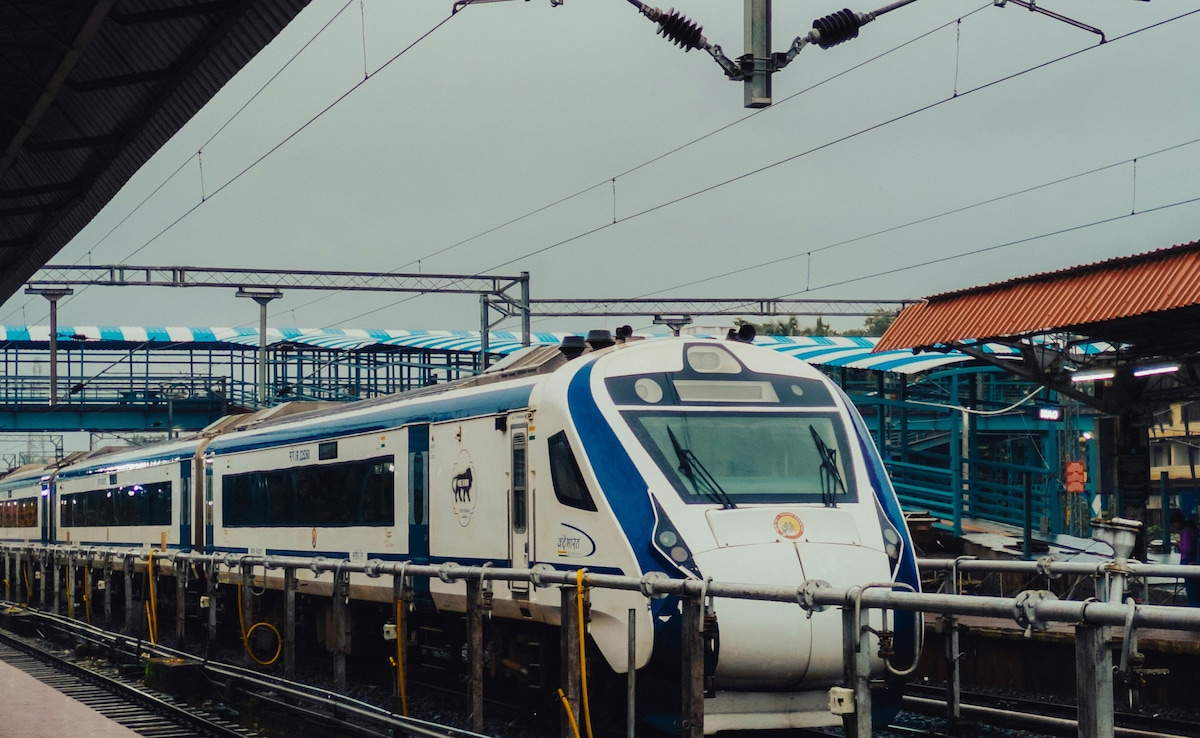
Delhi-Amritsar-Katra corridor improves access to northern destinations
The Delhi-Amritsar-Katra Expressway is another major project highlighted for its impact on travel times.
The first phase has reduced the Delhi-Amritsar journey from approximately eight hours to four hours. The Delhi-Katra journey, meanwhile, has been reduced from around 14 hours to approximately six hours.
The corridor is expected to strengthen road connectivity to important cities and pilgrimage destinations while providing a faster alternative to older routes.
Bridges transform connectivity in the Northeast
Several bridge projects have played a particularly important role in reducing travel time in northeastern India, where major rivers and difficult geographical conditions have historically affected road connectivity.
The Bhupen Hazarika Setu, also known as the Dhola-Sadiya Bridge, has reduced the journey between Rupai in Assam and Meka/Roing in Arunachal Pradesh from approximately six hours to about one hour.
The Bogibeel Bridge across the Brahmaputra has similarly transformed connectivity between Dhemaji and Dibrugarh. Journeys that earlier took almost an entire day can now be completed in roughly one to two hours.
Another important project is the Sisseri River Bridge in Arunachal Pradesh. The 200-metre bridge has reduced travel time between Pasighat and Roing by about five hours, improving access between the Siang and Dibang Valley regions.
Kosi Rail Mahasetu cuts a long railway journey
Rail infrastructure has also produced dramatic reductions in journey times.
The Kosi Rail Mahasetu in Bihar has significantly shortened the railway connection between Nirmali and Saraigarh. The journey, which earlier took around eight hours, can now be completed in approximately 30 minutes.
The rail distance has also been reduced substantially, from roughly 300 km to only about 22 km.
The project is particularly important because it addresses the connectivity challenges created by the Kosi River and establishes a much more direct rail connection.
Tunnels make mountainous travel faster and more reliable
Tunnelling projects have emerged as another important component of India’s infrastructure expansion, particularly in mountainous regions.
The 9.02-km Atal Tunnel beneath the Rohtang region provides an alternative to the Rohtang Pass. It has shortened the Manali-Sarchu route by about 46 km and can save approximately four to five hours of travel.
The tunnel also provides a more reliable connection to the Lahaul-Spiti region, particularly when weather conditions affect traditional mountain routes.
In Jammu and Kashmir, the Dr Syama Prasad Mookerjee Tunnel has shortened the road distance on the Jammu-Srinagar route by around 30 km and reduced travel time by nearly two hours.
The Banihal-Qazigund twin-tube tunnel provides another important improvement, saving approximately one and a half hours on the route.
In Arunachal Pradesh, the Sela Tunnel has improved connectivity on the Tezpur-Tawang route. Built at an altitude of around 13,000 feet, the tunnel has reduced travel time by more than an hour while providing an all-weather route through a challenging mountainous region.
Faster trains add another dimension to connectivity
The infrastructure push is not limited to highways. Indian Railways has also introduced faster services and improved train operations to reduce journey times.
During the 2026 railway timetable changes, 549 trains were speeded up. Of these, 20 trains gained at least 60 minutes, while 48 trains received time savings of between 31 and 59 minutes. Another 105 trains were accelerated by 16 to 30 minutes, while 376 trains gained between five and 15 minutes.
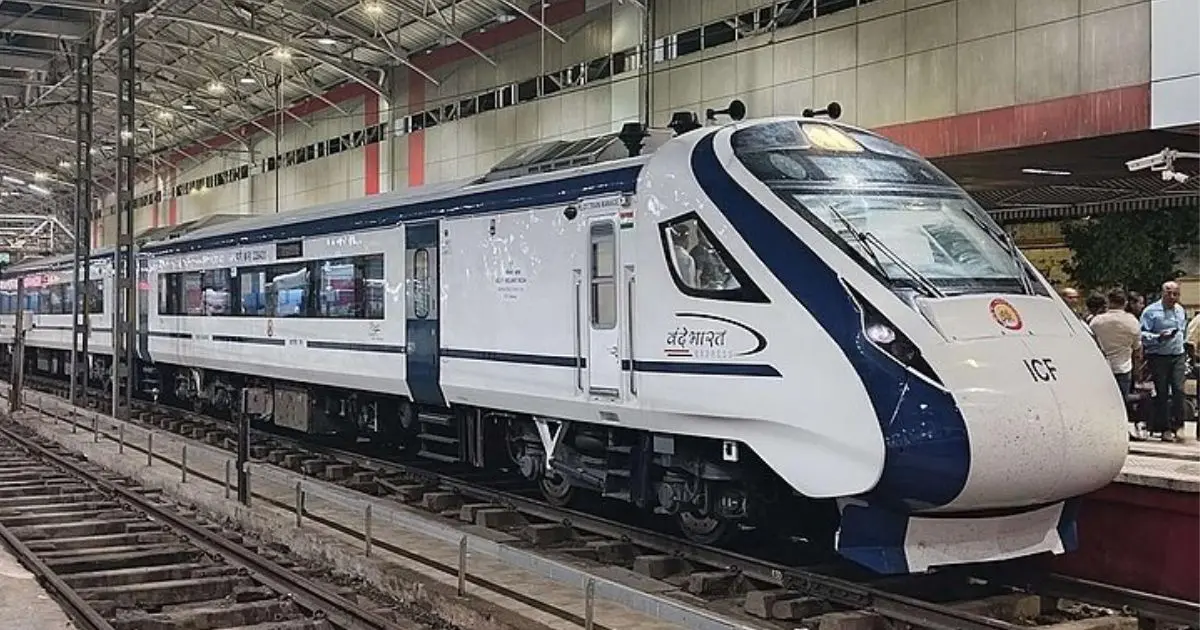
Vande Bharat services have become an important part of this effort.
The New Delhi-Varanasi Vande Bharat Express takes approximately eight hours and has been described as significantly faster than earlier services on the route.
More recent services have delivered further reductions. The Katra-Srinagar Vande Bharat service has brought the journey down to around three hours, while the extended Jammu-Srinagar service covers the route in approximately four hours and 50 minutes.
The Banaras-Khajuraho service saves around two hours and 40 minutes, while the Ernakulam-Bengaluru service provides a time saving of more than two hours.
The first Vande Bharat Sleeper service between Howrah and Guwahati has also reduced the journey from approximately 17 hours to around 14 hours, saving nearly three hours compared with the earlier service.
Mumbai-Ahmedabad bullet train project targets major time savings
Another major development is the Mumbai-Ahmedabad High-Speed Rail Corridor.
The 508-km corridor has been designed for an operational speed of up to 320 kmph. Once operational, the journey between Mumbai and Ahmedabad is expected to take approximately one hour and 58 minutes, compared with around eight to nine hours by road.
The corridor is planned to have 12 stations and includes an approximately seven-km undersea rail tunnel beneath Thane Creek.
The first service is targeted for August 2027.
The Union Budget 2026-27 also announced seven additional high-speed rail corridors covering nearly 4,000 km. The projects have an estimated investment of around ₹16 lakh crore.
Indicative journey times for some of the proposed corridors include around three hours and 50 minutes between Delhi and Varanasi, two hours between Bengaluru and Hyderabad, 48 minutes between Mumbai and Pune and one hour and 55 minutes between Pune and Hyderabad.
Expanding highway network supports faster movement
The broader expansion of India’s highway network is also contributing to improved connectivity.
The national highway network reached approximately 1,46,572 km by March 2026, compared with around 91,287 km in 2014. The length of four-lane and wider national highways has also increased substantially, reaching approximately 45,516 km compared with 18,371 km in 2014.
The expansion represents a shift towards wider, access-controlled and more direct transport corridors designed to handle growing passenger and freight movement.
Infrastructure changes more than travel time
The reduction in travel time is one of the most visible effects of India’s infrastructure expansion. However, the broader impact extends to logistics, tourism, regional development and economic activity.
Shorter road and rail journeys can make it easier for businesses to move goods between production centres, markets and ports. Improved connectivity can also provide faster access to tourist destinations and pilgrimage centres.
For regions separated by major rivers or difficult terrain, bridges and tunnels can provide connectivity that was previously vulnerable to geography and weather.
The combination of expressways, bridges, tunnels and faster trains is therefore changing how distances are experienced across India. While individual projects differ in scale and purpose, their common objective is to make travel more direct, faster and more predictable across major corridors.