
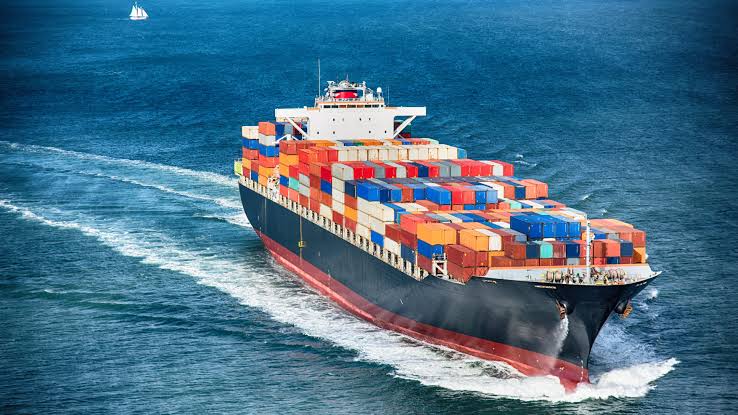
India’s merchandise exports registered a strong increase in August 2026, rising by more than 26% compared with the same month last year. The sharp rise in exports, combined with a comparatively slower increase in imports, helped narrow the country’s merchandise trade deficit during the month.
Merchandise exports climbed to approximately $43.81 billion in August, compared with $34.74 billion in August 2025. This represents year-on-year growth of around 26.12%.
Merchandise imports also increased during the month, reaching about $70.67 billion. However, imports grew at a slower rate of approximately 14.1%. As a result, the merchandise trade deficit stood at around $26.86 billion, slightly lower than the $27.20 billion recorded in August 2025.
The latest figures indicate stronger momentum in India’s export sector despite continuing challenges in the global economy, including higher energy costs, geopolitical uncertainties and changing trade conditions.
Overall Trade Position Shows Improvement
India’s overall external trade position also improved when both merchandise and services trade were taken into account.
Total exports, including services, were estimated at around $82.68 billion in August, compared with approximately $65.93 billion during the same month a year earlier. This represents growth of more than 25%.
Total imports, including both goods and services, stood at approximately $92.09 billion, compared with $77.55 billion in August 2025.
The resulting overall trade deficit was about $9.41 billion in August, lower than the approximately $11.62 billion deficit recorded a year earlier.
The figures highlight the growing contribution of India’s services sector to the country’s external trade position. Strong services exports have helped offset part of the merchandise trade deficit and remain an important source of foreign exchange earnings.
Engineering and Electronics Drive Export Growth
Several important sectors contributed to the increase in merchandise exports during August.
Engineering goods remained one of the major contributors, while electronic products, chemicals, petroleum products and textiles also supported export growth.
India’s electronics exports have expanded considerably in recent years as manufacturers have increased production for international markets. The sector has emerged as an increasingly important part of the country’s export basket.
Engineering products have also maintained strong demand in overseas markets, supporting India’s broader push toward higher-value manufactured exports.
The performance of these sectors indicates that India’s export growth is increasingly supported by manufactured products rather than relying only on traditional commodity exports.
Services Exports Continue to Provide Support
India’s services sector remained another important contributor to the country’s external trade performance.
Services exports were estimated at around $38.87 billion in August, registering growth of approximately 24.6% compared with the previous year.
India has a large presence in areas such as information technology, business services, professional services and other knowledge-based industries. The continued expansion of these exports provides an important cushion against the country’s merchandise trade deficit.
While services imports also increased, the sector continued to generate a substantial surplus, helping improve India’s overall trade balance.
Lower Gold Imports Help Narrow Merchandise Deficit
A significant factor behind the improvement in the merchandise trade balance during August was a sharp decline in gold imports.
Gold imports fell to approximately $2.3 billion during the month, compared with around $5.4 billion in August 2025. This represents a decline of nearly 58%.
Gold is a major component of India’s import bill, and changes in gold demand can have a noticeable impact on the country’s merchandise trade deficit.
The substantial reduction in gold imports helped offset some of the pressure created by higher imports of other commodities and energy products.
Crude Oil Remains a Major Challenge
Despite the improvement in the trade deficit, energy imports continue to place pressure on India’s external trade position.
Crude oil remains one of India’s largest import requirements because the country depends significantly on overseas supplies to meet domestic energy demand.
Higher international crude prices can quickly increase India’s import bill. During August, the average price of India’s crude oil basket was higher than in the previous month, adding pressure to the country’s overall import expenditure.
The movement of global oil prices will therefore remain an important factor determining India’s trade balance in the coming months.
Stronger Export Performance in April-August
The strong performance recorded in August contributed to higher cumulative merchandise exports during the first five months of the financial year.
Between April and August 2026, merchandise exports increased by approximately 17.85% to around $215.91 billion, compared with about $183.21 billion during the corresponding period of the previous year.
Merchandise imports during the same period increased by approximately 18.21%, reaching around $363 billion compared with nearly $307.09 billion a year earlier.
Although exports registered strong growth, imports increased at a slightly faster pace over the five-month period. This resulted in continued pressure on India’s cumulative merchandise trade balance.
When services were included, total exports during April-August were estimated at approximately $399.27 billion, while total imports stood at around $459.65 billion.
The overall trade deficit for the period was therefore approximately $60.38 billion.
United States Remains an Important Export Destination
The United States continued to be one of India’s major markets for merchandise exports during the April-August period.
India exported goods worth approximately $42.79 billion to the US during the period. The United Arab Emirates and China were also among the country’s significant export destinations.
Other important markets included Singapore, the Netherlands, the United Kingdom, Germany, South Africa, Bangladesh and Malaysia.
The geographical spread of India’s exports reflects efforts by Indian businesses to expand into different international markets and reduce dependence on a limited number of destinations.
Growing Importance of Trade Diversification
The latest export figures come amid significant changes in the global trading environment.
Geopolitical tensions, shifting supply chains, changes in tariff policies, commodity-price fluctuations and uncertain international demand have created challenges for exporters around the world.
Against this backdrop, stronger Indian exports across engineering goods, electronics, chemicals and other manufactured products indicate continued demand for Indian products in overseas markets.
Greater diversification of export destinations could also help Indian businesses manage risks associated with economic slowdowns or trade restrictions in individual markets.
Challenges Remain Despite August Improvement
The August figures provide positive indications for India’s export sector, but several challenges remain.
The country’s merchandise import bill remains considerably higher than its export earnings. Crude oil prices continue to influence import costs, while global economic conditions could affect demand for Indian goods.
The cumulative April-August figures also show that imports have grown slightly faster than exports. Therefore, the narrowing of the merchandise trade deficit in August needs to be viewed in the context of the broader financial-year trend.
At the same time, strong services exports and rising shipments of manufactured goods are providing support to India’s external sector.
Outlook for India’s Trade Sector
India’s August trade performance highlights the resilience of its export sector amid a challenging international environment.
The 26% rise in merchandise exports, stronger services exports and decline in gold imports helped improve the country’s trade position during the month. Engineering products, electronics, chemicals and other manufactured goods remained important contributors to export growth.
However, future trade performance will depend on several factors, including international demand, crude oil prices, currency movements, geopolitical developments and changing trade policies.
If export growth remains strong while import growth moderates, India could see further improvement in its trade balance. For now, the August data show that Indian exporters have maintained strong momentum, while the services sector continues to play an important role in supporting the country’s overall external trade position.