
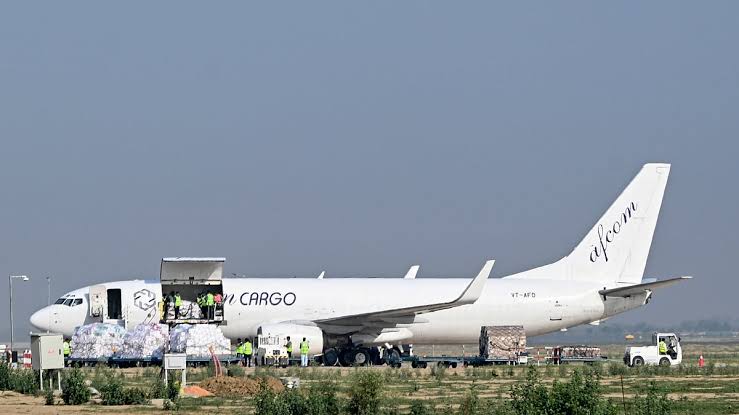
Delhi and the wider National Capital Region are witnessing extensive preparations ahead of the 18th BRICS Summit, with aviation authorities and security agencies putting in place detailed arrangements to accommodate a large number of special aircraft carrying foreign leaders, senior officials and international delegations.
The summit is scheduled to take place in New Delhi from September 11 to 13, with Bharat Mandapam serving as the main venue. The arrival of several heads of state and high-ranking representatives has prompted authorities to develop a coordinated aviation plan involving multiple airports across the Delhi-NCR region.
A significant number of special aircraft are expected to arrive in the days leading up to the summit. To manage the additional aircraft movement and parking requirements, authorities have planned the use of Air Force Station Palam, Indira Gandhi International Airport and Noida International Airport.
The arrangements are designed to prevent congestion, ensure smooth aircraft handling and maintain stringent security around visiting dignitaries.
Special aircraft arrivals begin ahead of summit
The movement of special aircraft has already started ahead of the main summit proceedings. Several aircraft associated with foreign delegations have arrived in the region as countries begin sending officials and support teams for the high-level diplomatic gathering.
Among the aircraft reported to have arrived are Russian Ilyushin IL-76 transport aircraft, which are being used as part of the logistical arrangements connected with the Russian delegation.
The number of arrivals is expected to increase substantially as the summit approaches. September 11 is expected to be one of the busiest days, with several heads of state and senior representatives scheduled to reach the national capital.
Delegations from countries including Russia, South Africa, Iran, Egypt, the United Arab Emirates, Ethiopia, Thailand, Nigeria and the Philippines are expected to be involved in the summit-related movements. Additional high-level arrivals are also expected during the following days.
The concentration of diplomatic traffic has required authorities to carefully coordinate flight schedules, aircraft parking, security arrangements and ground transportation.
Palam, Delhi and Noida airports to share the load
A major feature of the aviation plan is the distribution of special aircraft among three key facilities.
Air Force Station Palam is expected to handle a substantial number of special aircraft, with around 12 parking positions earmarked for summit-related movements.
Delhi airport is also expected to accommodate approximately 12 aircraft. The parking arrangements include designated spaces for both wide-body and narrow-body aircraft, allowing authorities to handle different types of special flights.
Noida International Airport is another important component of the plan. Around 12 parking positions have been kept available there for aircraft connected with the summit, while additional capacity can be used depending on operational requirements.
The multi-airport strategy is aimed at ensuring that the large number of VIP and support aircraft can be accommodated without placing excessive pressure on a single airport.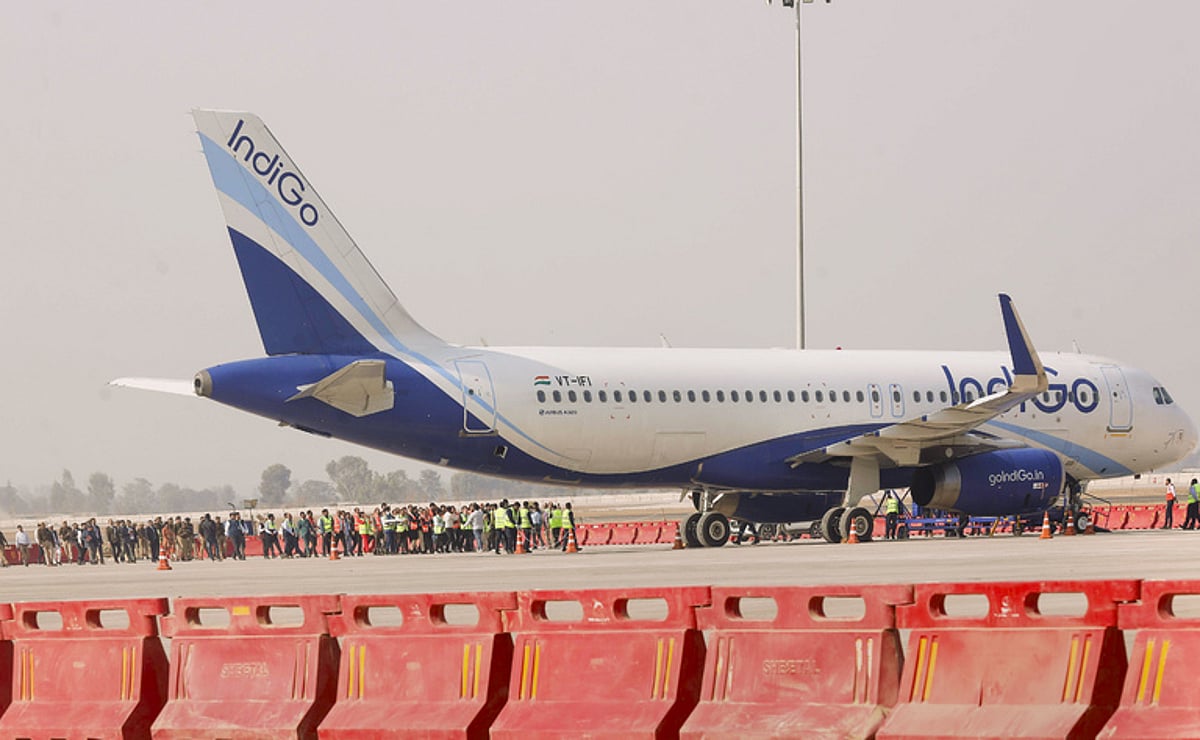
Security and aviation agencies coordinate operations
The arrival of foreign leaders requires much more than ordinary airport handling. Each VVIP movement involves multiple layers of security, coordination and logistical planning.
Several agencies are involved in preparations, including aviation authorities, security forces, police units, airport operators and government departments responsible for diplomatic and security arrangements.
Aircraft movements are being coordinated with road transport schedules so that visiting leaders can be transferred securely from airports to hotels and summit venues.
Security agencies are also expected to maintain strict control over airport access, aircraft parking areas and movement corridors during the arrival and departure of foreign dignitaries.
The coordination is particularly important because the aircraft carrying heads of state and senior government officials often require dedicated security zones, specialised ground handling and carefully controlled movement.
September 11 likely to see heavy VIP movement
The arrival schedule is expected to become particularly busy on September 11, when several foreign leaders and senior delegations are likely to reach Delhi.
With a large number of leaders expected to participate in the summit, authorities have been working on staggered arrival plans to prevent unnecessary congestion.
The timing of each aircraft movement must be coordinated with security convoys, hotel arrangements and summit schedules. Any delay involving one aircraft or delegation can have a cascading effect on airport operations and ground transportation.
The use of multiple airports therefore provides authorities with additional flexibility in managing the movement of aircraft.
Noida airport gains an important role
The inclusion of Noida International Airport in the summit’s aviation arrangements marks an important development for the Delhi-NCR aviation network.
The airport provides additional aircraft parking and operational capacity at a time when Delhi is experiencing heightened aviation demand because of the international gathering.
Its location within the wider National Capital Region makes it a useful facility for managing additional aircraft movements while reducing pressure on the main Delhi airport.
The availability of another airport also gives authorities greater flexibility in determining where individual aircraft should be parked based on aircraft size, arrival time, security requirements and delegation needs.
Aviation preparations linked to wider security plan
The airport arrangements are part of a much larger security operation being implemented across Delhi for the summit.
Security has been intensified around hotels where foreign leaders and delegations are expected to stay. Major roads connecting airports, hotels and the summit venue are also being monitored closely to facilitate the movement of VVIP convoys.
Traffic restrictions and diversions are expected on several important routes during the summit period. The arrangements are intended to ensure that foreign leaders can travel between their hotels and the summit venue without disruption.
The movement of aircraft, motorcades and security personnel is therefore being planned as one integrated operation rather than as separate airport and road-security exercises.
Delhi prepares for major international diplomatic event
The BRICS Summit is one of the most significant international diplomatic events to be hosted by India this year. Its organisation requires coordination across aviation, security, transportation, hospitality and diplomatic channels.
For Delhi, the arrival of numerous foreign leaders means that airports will become the first major point of contact for many visiting delegations. Ensuring that aircraft land, park and depart smoothly is therefore a crucial part of the overall summit preparations.
The aviation arrangements also demonstrate the scale of logistical planning required for an international gathering involving multiple heads of government and senior delegations.
With the summit approaching, special aircraft movements are expected to increase over the coming days. Authorities will be closely monitoring airport operations and coordinating with security agencies to ensure that VIP flights are handled efficiently while regular commercial aviation continues with minimal disruption.
The use of Palam, Delhi and Noida airports is expected to provide the additional capacity needed to manage the exceptional aviation requirements created by the BRICS Summit.
As foreign leaders begin arriving in greater numbers, Delhi’s airports, roads and security infrastructure are entering one of their busiest periods of the year, reflecting the scale and importance of India’s preparations for the high-profile international gathering.