
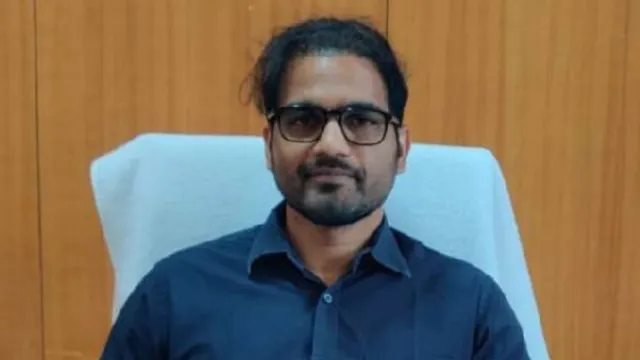
The Karnataka Criminal Investigation Department (CID) has arrested 2016-batch IAS officer Gyanendra Kumar Gangwar in connection with an ongoing investigation into alleged irregularities in the Karnataka Public Service Commission (KPSC) recruitment examination for veterinary officer posts.
Gangwar, who previously served as the Controller of Examinations at the KPSC, was taken into custody after being questioned extensively by CID investigators over two consecutive days. The investigation focuses on allegations including manipulation of OMR answer sheets, possible tampering with examination records, suspected leakage or unauthorised access to examination material and an alleged money-for-job arrangement.
The case concerns the recruitment examination for 400 veterinary officer positions, conducted in January 2026. The examination and subsequent selection process came under scrutiny after candidates raised allegations of serious irregularities and questioned the unusually high scores obtained by some selected candidates.
IAS officer questioned for nearly 21 hours
Gangwar appeared before CID officials in Bengaluru after investigators issued him a notice requiring him to participate in the inquiry. He was questioned for more than nine hours during the first round of interrogation.
The questioning continued the following day, with investigators examining him for several more hours. The two sessions reportedly lasted nearly 21 hours in total.
Investigators questioned Gangwar about his responsibilities as KPSC Controller of Examinations and sought explanations regarding the conduct of the veterinary officer recruitment examination, the handling of examination material and the processing of OMR answer sheets.
Officials involved in the investigation reportedly found inconsistencies in some of his responses and concluded that further custodial questioning was necessary. He was subsequently arrested by the CID.
Gangwar is currently serving as the Director of Micro, Small and Medium Enterprises in Karnataka’s Industries and Commerce Department. He had served as the KPSC examination controller from February 2024 until March 2026, placing him in the position during the period when the veterinary officer examination was conducted.
Allegations of OMR sheet manipulation
One of the most serious aspects of the investigation concerns alleged manipulation of OMR answer sheets.
According to the allegations being examined by investigators, money was allegedly exchanged in return for altering answers recorded on the OMR sheets of selected candidates. The investigation is reportedly examining an alleged payment of around ₹1.1 crore involving two candidates.
The allegations suggest that candidates could potentially have benefited from changes made to their examination responses after the test. Investigators are therefore examining the entire process through which OMR sheets were collected, stored, evaluated and processed.
The CID has also been examining physical examination records and other material to determine whether any answer sheets were tampered with after the examination.
The allegations have not been proven in court, and the investigation remains ongoing.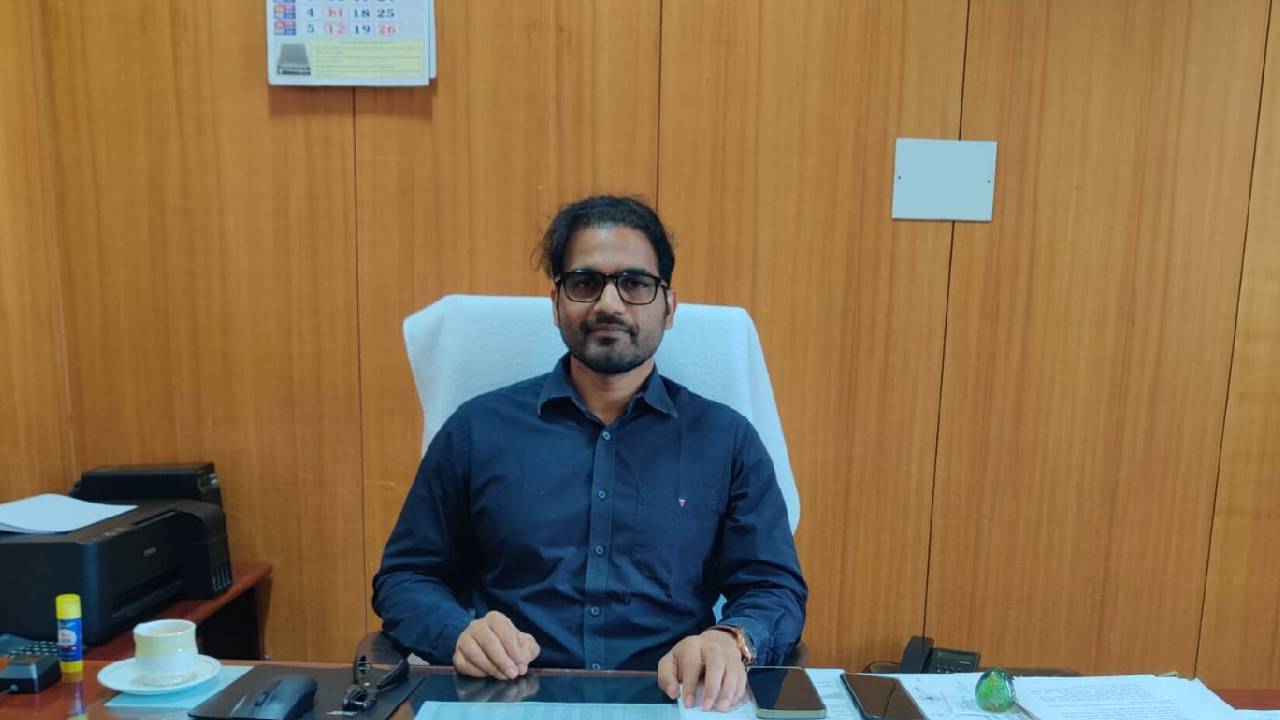
Recruitment examination for 400 veterinary officers under scrutiny
The controversy centres on the KPSC recruitment examination conducted in January for the appointment of 400 veterinary officers.
The final selection process attracted attention after unsuccessful candidates raised questions regarding the marks secured by certain candidates. Some complainants alleged that individuals with comparatively ordinary academic records had achieved exceptionally high scores in the recruitment examination.
Questions were also raised about the alleged connection between some successful candidates and individuals associated with the KPSC.
Investigators are examining whether these circumstances were coincidental or whether they indicate manipulation of the recruitment process.
The probe is also looking into allegations that confidential examination material may have been compromised before the examination was conducted.
Allegations of a money-for-job racket
Apart from allegations involving OMR sheets, the investigation has also focused on claims that intermediaries demanded large sums of money from candidates in exchange for helping them secure government appointments.
Some candidates reportedly alleged that middlemen demanded amounts running into several tens of lakhs of rupees. Investigators are examining whether such demands were part of an organised recruitment racket and whether any KPSC officials or other individuals were connected to the alleged financial transactions.
The CID is expected to examine financial records, communications and other evidence to determine whether money changed hands and, if so, who was involved.
The financial component of the case has also attracted the attention of the Enforcement Directorate, which is conducting a separate investigation into possible money-laundering aspects linked to the alleged recruitment irregularities.
Enforcement Directorate searches Gangwar’s premises
The investigation intensified earlier this month when the Enforcement Directorate searched premises linked to Gangwar in Bengaluru and Uttar Pradesh.
The searches were conducted as part of the agency’s examination of suspected financial transactions connected with the alleged KPSC recruitment irregularities.
Investigators are examining whether any money generated through the alleged recruitment racket was transferred, concealed or used to acquire assets.
The financial investigation is being conducted separately from the CID’s criminal investigation into the alleged manipulation of the examination process.
Questions over examination security
The allegations have also raised concerns over the security mechanisms used during government recruitment examinations.
Investigators are examining whether confidential examination material was adequately protected during its preparation, printing and distribution. The handling of examination papers and OMR sheets is particularly important because any unauthorised access or alteration could potentially influence the final selection list.
The investigation is therefore not limited to individual candidates. Officials are also examining the administrative procedures followed by the commission and whether established safeguards were properly implemented.
The CID has reportedly sent hundreds of OMR sheets for forensic examination to determine whether there are signs of tampering or other abnormalities.
The forensic examination could become an important part of the investigation because scientific analysis may help investigators establish whether answers were altered after the examination.
Case transferred to CID
The Karnataka government transferred the investigation to the CID after complaints were registered concerning alleged irregularities in the veterinary officer recruitment examination.
The complaints raised several concerns, including alleged manipulation of examination results, unusually high marks obtained by certain candidates and suspected involvement of intermediaries.
The transfer to the specialised investigation agency was aimed at allowing a more detailed examination of the allegations and the possible involvement of officials.
Investigators have since questioned several individuals connected with the recruitment process.
The former KPSC chairman, who has also faced allegations in connection with the recruitment process, has been questioned by the CID as part of the investigation.
Gangwar’s earlier absence also drew attention
Gangwar’s arrest comes after his whereabouts had recently become a subject of public and political discussion.
The officer had reportedly remained unavailable for a period of time and later informed authorities that he had travelled to his hometown because of a family emergency.
The episode generated questions about his absence at a time when agencies were investigating the alleged recruitment irregularities.
Government officials had maintained that there was no case of an IAS officer formally going missing, stating that Gangwar had communicated with the authorities and had given an explanation for his absence.
The controversy nevertheless added to the scrutiny surrounding the officer as investigators moved forward with the KPSC case.
Investigation now enters a crucial phase
With Gangwar’s arrest, investigators are expected to focus on establishing the exact sequence of events surrounding the recruitment examination.
The CID will likely examine the roles played by officials, candidates and alleged intermediaries, while attempting to establish whether the suspected irregularities were isolated incidents or part of a larger organised operation.
Investigators will also examine financial transactions, examination records, communication between individuals connected with the recruitment process and forensic findings from OMR answer sheets.
A major question before the investigators is whether confidential examination material was compromised before the test or whether answer sheets were manipulated after candidates completed the examination.
The findings of the forensic examination and the financial investigation could provide important evidence in determining the extent of the alleged irregularities.
Recruitment transparency under scrutiny
The case has broader implications for the credibility of government recruitment examinations in Karnataka.
Public service examinations are intended to provide candidates with a transparent and merit-based opportunity to secure government employment. Allegations of question-paper leakage, answer-sheet manipulation or payment for appointments can undermine confidence in the recruitment system and raise concerns among thousands of candidates who depend on such examinations for their careers.
If the allegations are established through investigation and subsequent legal proceedings, they could result in significant consequences for individuals found responsible.
For now, however, the allegations remain under investigation. Gangwar’s arrest does not by itself establish guilt, and the final responsibility of each accused person will depend on the evidence collected by investigators and the outcome of the judicial process.
The CID investigation is continuing, and further questioning, arrests or legal action against other individuals may follow as investigators examine the evidence connected with the KPSC veterinary officer recruitment case.