
India is continuing to engage with German authorities over the case of Ariha Shah, an Indian child who has spent nearly five years in German foster care, with the government stressing that efforts are being made to protect her cultural and social identity.
The Ministry of External Affairs said on Friday that the Indian Embassy in Germany remains in contact with both German authorities and Ariha regarding matters concerning her cultural upbringing. The statement comes amid renewed attention to the prolonged case and continuing demands for the child’s return to India.
MEA spokesperson Randhir Jaiswal said that while there was no fresh development to announce, Indian officials continued to monitor the situation. He emphasised that the government remained concerned about Ariha’s cultural requirements and was maintaining communication with the relevant authorities.
According to the government, India has consistently raised the issue with German officials and has sought to ensure that Ariha’s upbringing remains sensitive to her Indian background. The matter has remained a diplomatic and humanitarian concern for New Delhi as the child continues to live under foster care in Germany.
Ariha has remained in German foster care since 2021
Ariha Shah was placed in German foster care in September 2021 when she was only seven months old. The decision followed an incident in which she suffered injuries while in the care of her grandmother.
Since then, Ariha has remained in Germany under the country’s child welfare system. Her prolonged stay away from her biological parents has resulted in sustained efforts by her family and Indian authorities to secure a resolution.
The case has attracted considerable attention in India because of concerns surrounding the child’s long-term upbringing, her connection with her Indian family and her cultural environment.
Indian authorities have maintained that the matter should not be viewed solely through a legal or administrative framework. Instead, New Delhi has repeatedly stressed the humanitarian dimension of the case and the importance of considering the child’s welfare and cultural background.
India maintains contact with German authorities
The latest statement from the Ministry of External Affairs indicates that diplomatic engagement on the issue is continuing.
Jaiswal said Indian officials have been taking care of Ariha’s cultural needs and that the embassy has remained in contact with both the child and German authorities. While he did not provide details about any new negotiations or developments, his remarks indicated that the matter remains under active diplomatic consideration.
The Indian government’s engagement has involved communication with German officials in both countries. The objective has been to ensure that the child’s interests, including her cultural and familial connections, remain part of discussions concerning her future.
The issue has also been raised at senior political levels, underlining the significance India attaches to the case.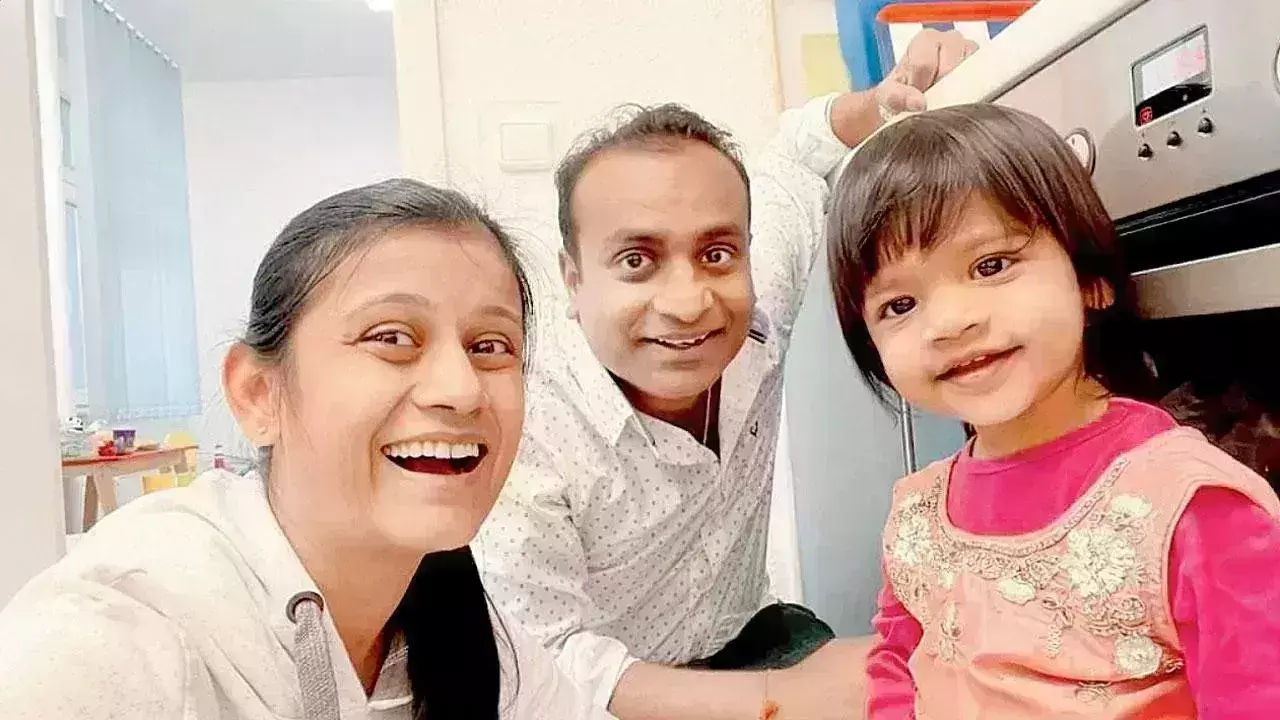
Government stresses humanitarian dimension
Foreign Secretary Vikram Misri had earlier said that India had been engaging with the German government and various authorities involved in the case for an extended period.
According to the Indian position, the circumstances surrounding Ariha’s case require consideration beyond the narrow boundaries of a legal dispute. The government has argued for a humanitarian approach, particularly because the child has spent a substantial part of her early childhood away from her parents and in foster care.
The prolonged nature of the case has also intensified concerns about Ariha’s cultural connection with India. For the Indian government, preserving this connection while the legal and administrative processes continue is an important aspect of its diplomatic efforts.
Family continues to seek Ariha’s return
Ariha’s family has repeatedly sought her return to India and has raised concerns about her continued stay in German foster care. Her parents have maintained that she should be brought up within her family and cultural environment in India.
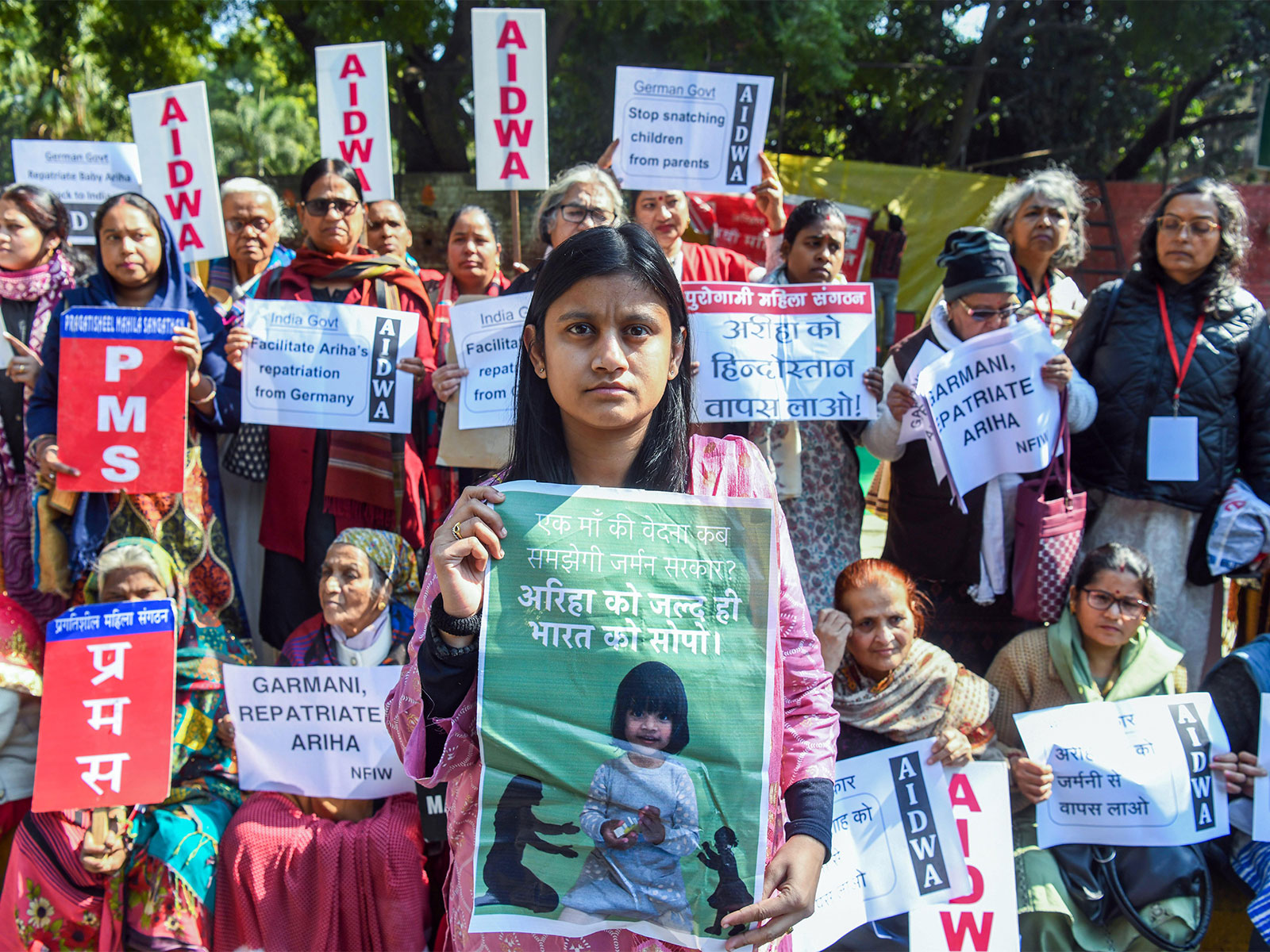
The family’s campaign has included public demonstrations and appeals for government intervention. The issue has also generated public attention, particularly among people advocating for the child’s return and greater consideration of her Indian cultural identity.
The family’s demands have remained focused on ensuring Ariha’s welfare and securing a long-term solution that allows her to reconnect with her parents and extended family.
A case with wider diplomatic and humanitarian implications
Ariha Shah’s case has developed into a sensitive issue involving child welfare, international law, family rights and diplomatic relations. While German authorities are responsible for decisions under their legal and child protection framework, India has continued to advocate for the child’s interests and cultural connection.
The case also highlights the complexities that can arise when children become subject to child protection proceedings in a country different from their parents’ home country. Such cases can involve competing legal considerations, questions surrounding parental rights and concerns about cultural identity.
For India, the immediate priority remains maintaining communication with German authorities while ensuring that Ariha’s cultural needs are not overlooked.
As the case continues, the absence of a fresh breakthrough means that the focus remains on sustained diplomatic engagement. The Indian government has indicated that it will continue pursuing the matter while maintaining contact with the relevant German authorities and monitoring Ariha’s well-being.
For Ariha’s family, however, the nearly five-year separation remains a deeply personal issue. The continuing diplomatic efforts therefore carry significance not only as a matter of India-Germany relations but also as a question of family reunification, childhood welfare and cultural identity.
The Indian government’s latest statement suggests that while there is no immediate resolution to announce, New Delhi remains engaged with the German side and continues to regard Ariha’s case as an important humanitarian concern.