
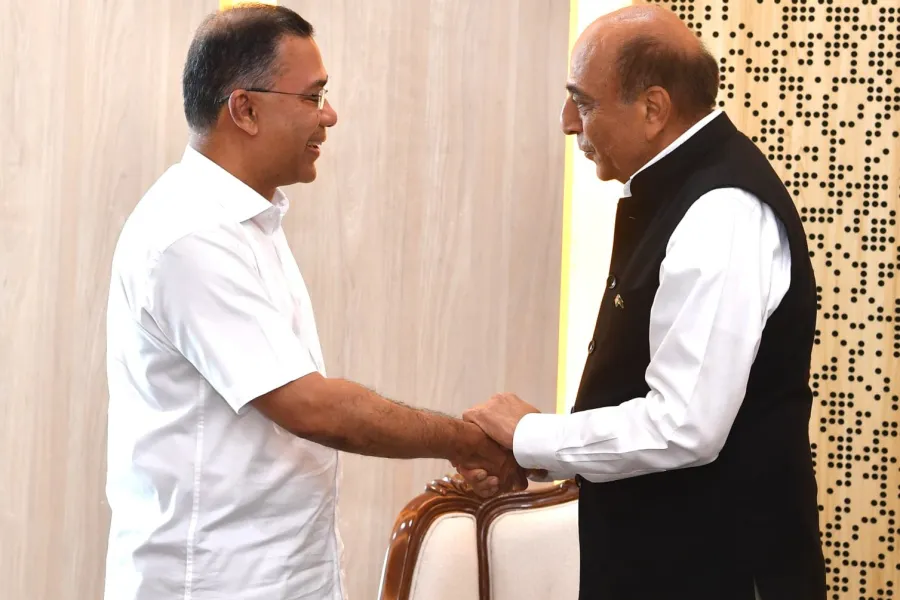
India and Bangladesh are expected to explore fresh dates in August for Bangladeshi Prime Minister Tarique Rahman’s proposed visit to New Delhi after plans for his previously discussed trip early next week failed to materialise, according to people familiar with the developments.
The proposed visit has attracted considerable diplomatic attention as both neighbouring countries seek to maintain communication amid strained bilateral relations. While the exact reasons for the latest change in schedule have not been publicly disclosed, discussions between the two sides are expected to continue with the possibility of finding another date later this month.
The visit had been tentatively planned for August 23-24. Preparations for the proposed programme had reportedly progressed to the stage of planning a ceremonial welcome and an official banquet at Rashtrapati Bhavan, along with formal meetings involving the two sides. However, people familiar with the planning said the visit would not take place according to that schedule.
Preparations at Rashtrapati Bhavan fuelled expectations
The uncertainty over Rahman’s visit became more visible after Rashtrapati Bhavan issued a statement on Friday regarding arrangements connected with a possible ceremonial welcome for the Bangladeshi prime minister.
The presidential residence initially announced that the regular Change of Guard Ceremony scheduled for August 22 would not be held because the forecourt would be required for a full rehearsal for the ceremonial welcome of Bangladesh’s prime minister.
The statement was subsequently withdrawn, adding to speculation surrounding the proposed visit. People familiar with the preparations said the announcement was part of arrangements being made in anticipation of Rahman’s possible arrival.
Invitations for an official banquet at Rashtrapati Bhavan on August 23 had also reportedly been issued before being withdrawn. The developments indicated that preparations for the visit had advanced significantly even though the final political and diplomatic arrangements had not been formally confirmed.
Visit remains under discussion
Despite the collapse of the immediate schedule, India and Bangladesh remain engaged on the possibility of arranging Rahman’s visit later in August.
The proposed trip would be particularly significant because it would provide an opportunity for the leadership of the two countries to hold direct discussions at a time when bilateral relations are facing several sensitive challenges. The two sides have been attempting to keep diplomatic channels open while working through disagreements that have emerged since major political changes in Bangladesh.
The visit is also being viewed in the context of efforts to stabilise relations and rebuild regular high-level engagement between New Delhi and Dhaka.
Indian officials have previously indicated that there is an interest in facilitating Rahman’s visit. India’s High Commissioner to Bangladesh, Dinesh Trivedi, recently said that Prime Minister Narendra Modi wanted Rahman’s visit to be memorable and stressed the importance of direct engagement between the two countries.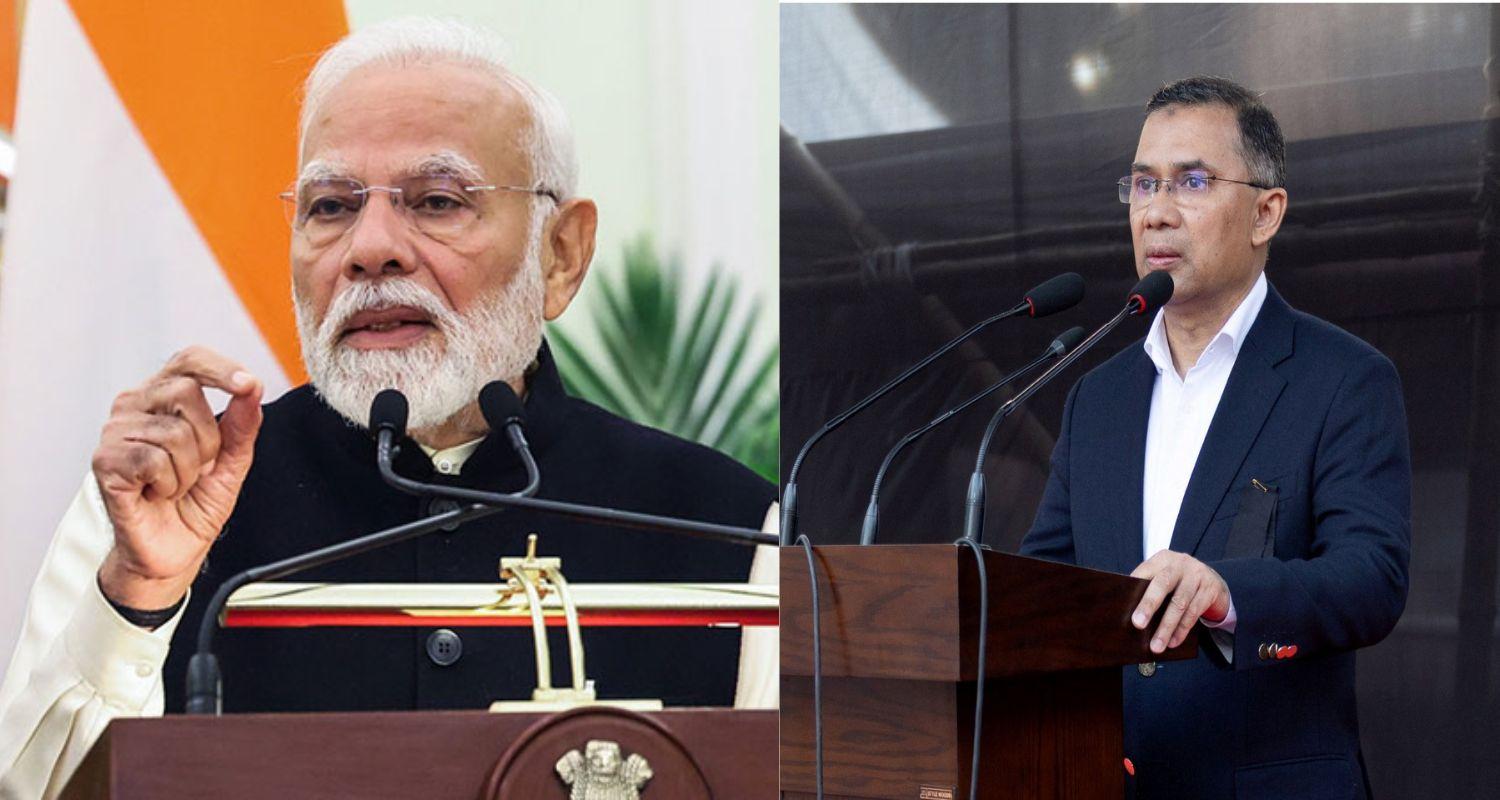
Sheikh Hasina extradition issue remains sensitive
One of the most complicated issues influencing India-Bangladesh relations is Dhaka’s demand for the extradition of former Bangladeshi prime minister Sheikh Hasina, who has remained in India following her departure from Bangladesh in 2024.
Bangladesh has repeatedly raised the issue with India, while New Delhi has said that the extradition request is being examined through the applicable legal framework.
The matter has become an important element in the broader diplomatic relationship between the two countries. Dhaka has previously indicated that a more favourable political and diplomatic environment would be necessary for Rahman’s proposed visit to India.
Against this backdrop, any meeting between Rahman and Modi would carry significance beyond ceremonial diplomacy. It could provide an opportunity for both governments to discuss contentious issues directly and assess possible areas of cooperation.
Scope for broader bilateral discussions
Apart from political concerns, a potential Rahman visit could provide a platform to discuss a wider range of issues affecting India-Bangladesh relations.
Trade and investment, border management, connectivity, regional security, water-sharing concerns and people-to-people relations are among the areas that could feature in broader bilateral engagement.
Economic ties are particularly important for both countries. India and Bangladesh share extensive commercial and geographical links, while their proximity makes cooperation on transport, energy, trade corridors and regional connectivity strategically significant.
The two sides also have shared interests in maintaining stability along their border and expanding economic opportunities. Recent efforts by Indian business representatives to engage with Bangladeshi counterparts have underscored the continuing importance of economic cooperation despite political differences.
A potentially important reset in bilateral ties
Rahman’s proposed visit is being watched closely because it could mark an important step in rebuilding high-level political engagement between India and Bangladesh.
Relations between the two countries have faced considerable uncertainty since the political upheaval in Bangladesh in 2024 and the subsequent departure of Sheikh Hasina. Questions surrounding her continued stay in India, Dhaka’s extradition request and differences over bilateral issues have contributed to diplomatic friction.
At the same time, both sides have strong strategic reasons to maintain communication. India shares a long border with Bangladesh, while Bangladesh occupies an important geographical position in India’s northeastern connectivity and wider regional policy.
For Dhaka, maintaining constructive relations with New Delhi is important for trade, connectivity, energy and regional diplomacy. For India, stable ties with Bangladesh are significant for border security, economic interests and connectivity with the northeastern states and neighbouring countries.
Fresh dates could determine the next phase
With the August 23-24 schedule no longer proceeding, attention is now turning to whether the two governments can agree on an alternative date later in the month.
The absence of a confirmed date highlights the sensitivity surrounding the proposed trip. However, the continued discussions indicate that neither side has abandoned the possibility of high-level engagement.
If the visit is eventually arranged, it could become an important opportunity for India and Bangladesh to address immediate disagreements while establishing a framework for more regular diplomatic engagement.
For now, the focus remains on finding a mutually acceptable date and ensuring that the political circumstances are suitable for the visit. The outcome of those discussions could provide an early indication of the direction India-Bangladesh relations take in the coming months.