
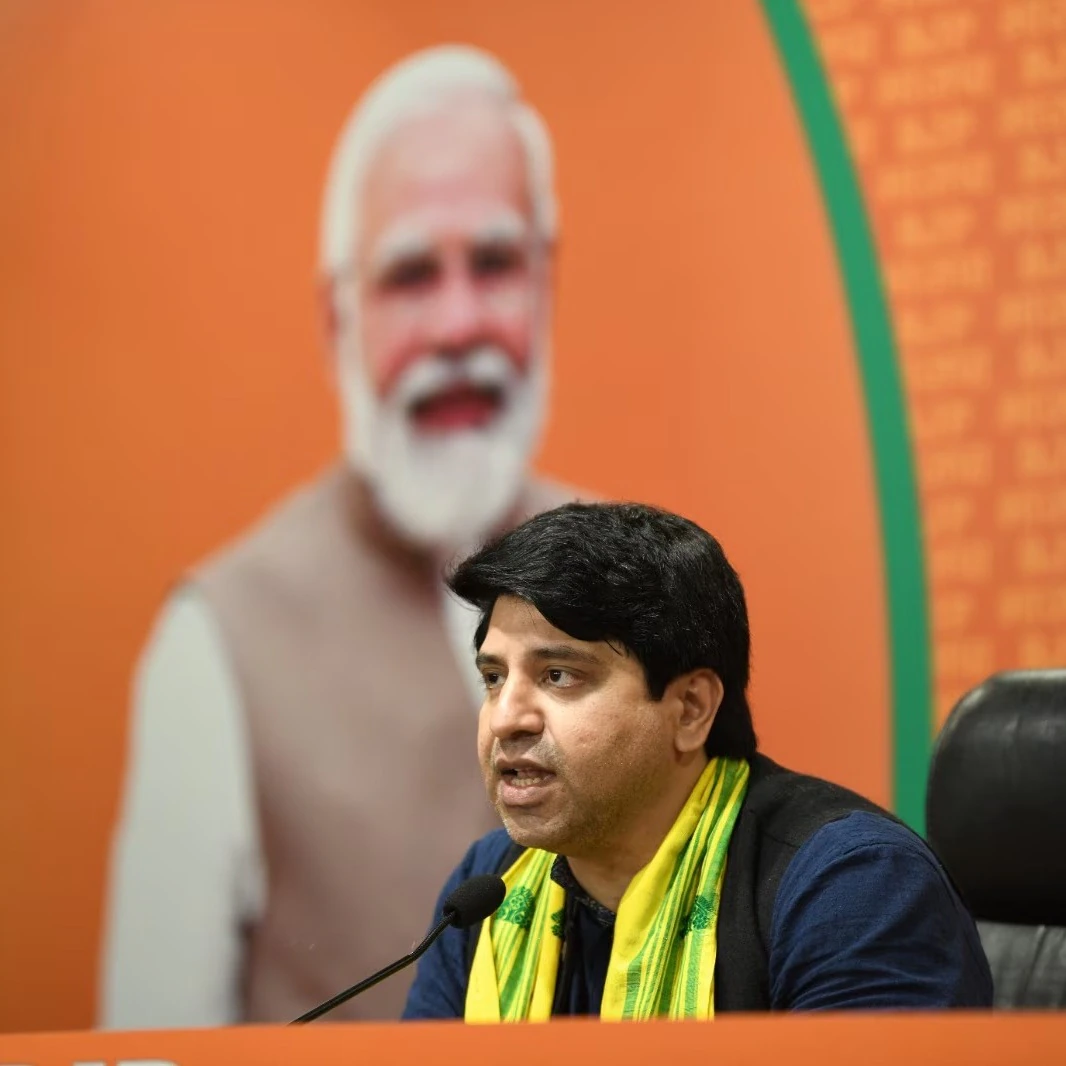
Shehzad Poonawalla has explained his decision to step away from the Bharatiya Janata Party, saying that his resignation was primarily linked to personal, professional and financial considerations rather than a fundamental disagreement with the party’s ideology.
Poonawalla, who had served as a prominent BJP spokesperson and frequently represented the party in television debates and public discussions, said he had been considering the decision for some time. He indicated that balancing a demanding political role with his professional responsibilities had become increasingly difficult.
Despite leaving his formal position in the party, Poonawalla has continued to speak positively about the BJP. He has described it as one of the strongest political platforms available to young people, particularly those who want to enter public life and build a political career.
Poonawalla explains reasons behind resignation
Explaining his decision, Poonawalla said the question of leaving politics had been under consideration since 2024. He had earlier left a salaried professional position to devote himself fully to political activities, but the realities of sustaining a full-time political career eventually led him to reconsider his priorities.
According to Poonawalla, political work demanded extensive time and constant engagement. As a party spokesperson, he was expected to remain available for debates, statements, organisational activities and other responsibilities. However, the role did not provide the kind of regular income associated with a conventional professional career.
This created a difficult choice for him. He said he ultimately had to decide between continuing with politics on a full-time basis and returning to employment.
Poonawalla’s explanation makes clear that his resignation was not presented as a sudden political confrontation with the BJP. Instead, he described it as a decision influenced by the practical challenges of maintaining a long-term career in politics while also meeting professional and financial responsibilities.
Says decision was discussed with BJP leaders
Poonawalla indicated that his decision was not taken without consultation. He had communicated his intentions to senior members of the party and was asked to reconsider his decision.
However, after evaluating his circumstances, he eventually decided to proceed with his resignation.
The development came after an earlier indication that he wanted to step away from his responsibilities in the BJP. The repeated discussions surrounding his departure suggested that the decision had been under consideration for some time.
His final move therefore represents the conclusion of a process rather than an unexpected announcement.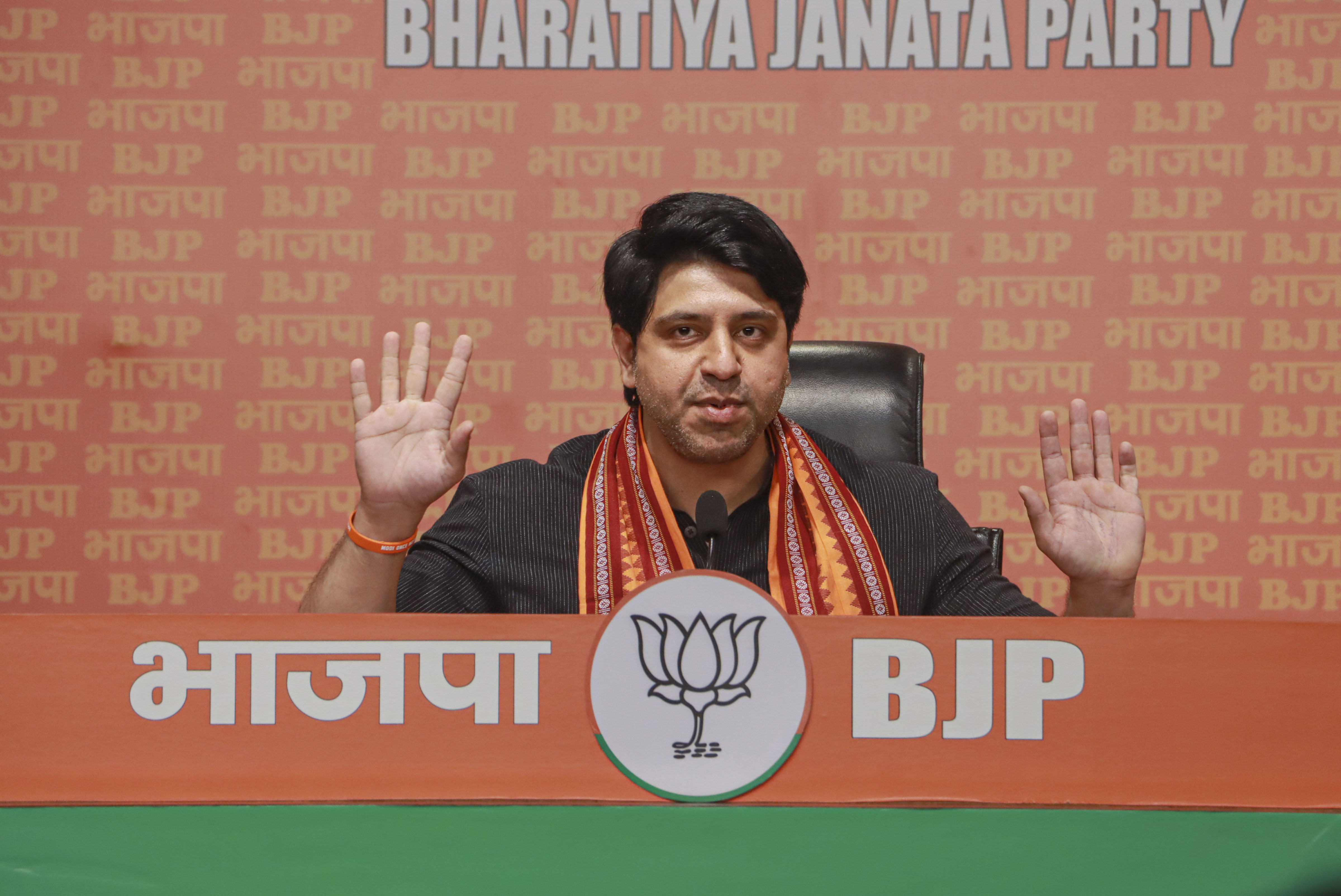
Continues to praise BJP despite leaving
One of the most notable aspects of Poonawalla’s decision is that he has continued to praise the BJP even after leaving the organisation.
He has maintained that the party provides significant opportunities for young people who want to enter politics. In his view, the BJP offers a platform through which individuals without an established political family background can participate in public life and develop their political careers.
Poonawalla’s remarks also distinguish between leaving an organisation in an official capacity and abandoning its political or ideological position.
He has indicated that his resignation should not automatically be interpreted as a rejection of the BJP’s broader political vision. His comments suggest that he continues to identify with several of the principles and ideas associated with the party.
From Congress to BJP
Poonawalla’s political journey has already included a major change in political affiliation.
He first gained prominence through the Congress but became involved in a public dispute with the party over its internal leadership process. His disagreement eventually led to his departure from the Congress.
He joined the BJP in 2017 and subsequently became one of its prominent spokespersons. His aggressive participation in television debates and his frequent political commentary helped establish him as a recognisable face of the party’s media outreach.
During his time with the BJP, Poonawalla regularly defended the government’s policies while criticising opposition parties. His appearances on news debates and political programmes made him particularly visible among the party’s younger spokespersons.
His decision to leave the BJP therefore marks another important stage in an already eventful political career.
Plans to return to professional life
Poonawalla has indicated that he intends to return to the private sector after spending several years concentrating heavily on politics.
His decision reflects a desire to regain professional stability and establish a sustainable career outside full-time political activity.
The move also highlights the financial challenges that can accompany political work, particularly for individuals who do not hold elected positions. While elected representatives receive salaries and allowances associated with their constitutional offices, party spokespersons and other organisational workers may not have the same financial structure.
For Poonawalla, returning to professional employment appears to be a way of addressing those practical concerns while stepping away from the day-to-day demands of party politics.
What his resignation means
Poonawalla’s exit is significant largely because of his public profile within the BJP’s media organisation. Although he was not leaving an elected position, he had become a familiar figure in the party’s public communication strategy.
His frequent television appearances meant that he was often involved in defending the BJP’s position on controversial political issues and responding to criticism from opposition parties.
His departure consequently removes a recognisable media voice from the BJP’s national spokesperson team.
At the same time, Poonawalla’s explanation provides a different perspective on his decision. Rather than portraying the resignation as the result of a political or ideological conflict, he has placed emphasis on career considerations, financial realities and the difficulty of continuing as a full-time political worker.
A change in role, not necessarily in political outlook
Poonawalla’s statements indicate that leaving the BJP’s organisational structure does not necessarily mean withdrawing completely from public affairs.
He has continued to express support for Prime Minister Narendra Modi and the broader political direction of the BJP. His comments suggest that he may continue to engage with political issues even though he is moving away from formal party responsibilities.
His decision therefore represents a transition rather than an outright withdrawal from public life.
For now, Poonawalla appears set to focus on rebuilding his professional career while maintaining his stated support for the political ideas he has advocated during his years in public life.