
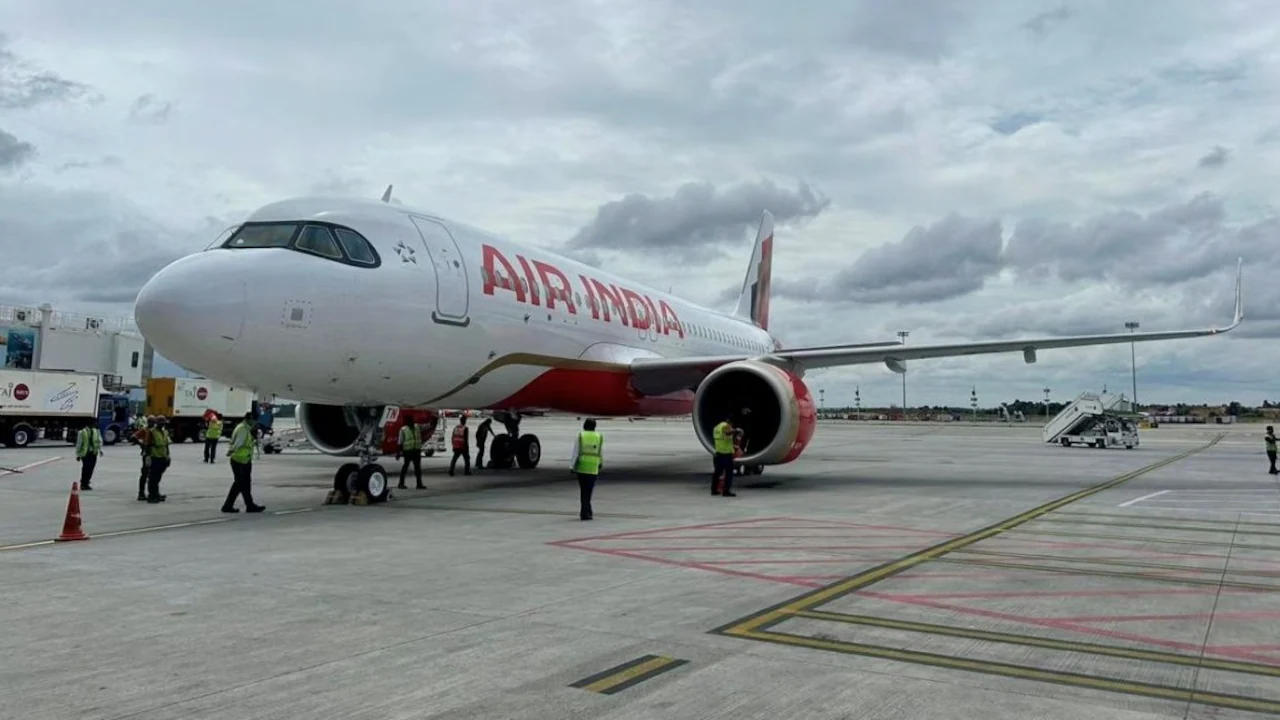
Two Air India pilots have returned non-negative results in preliminary drug screening, prompting further confirmatory testing as the airline group carries out mandatory checks of its cockpit crew following a serious Phuket-Delhi flight incident.
The development comes amid heightened scrutiny of pilot fitness and aviation safety after the commander of an Air India flight operating from Phuket to Delhi tested positive for marijuana in both an initial screening and a subsequent confirmatory examination. The incident has led the airline group to introduce a comprehensive screening programme covering pilots of both Air India and Air India Express.
According to people familiar with the matter, around 350 pilots had undergone screening by Monday, August 17, with two pilots producing non-negative preliminary results. The findings do not, however, amount to confirmed positive drug tests. Their samples are expected to undergo additional examination before any final conclusion is reached.
Mandatory screening expanded across airline group
The wider testing programme began on August 13 after the airline group decided to screen all of its pilots for substances and medications prohibited under applicable aviation regulations.
The initiative represents a significant expansion of testing beyond the routine requirements applicable to flight crew. Air India and Air India Express together have around 5,000 pilots, meaning the exercise involves a large-scale assessment of cockpit personnel across the two carriers.
The screening is being conducted at several locations and during different stages of pilots’ professional schedules. These include training sessions at the group’s Gurugram academy, flight briefing centres, airline offices and other locations designated by individual bases.
The objective is to identify the presence of substances that could affect a pilot’s ability to safely perform flight duties and to ensure compliance with aviation safety requirements.
The two pilots whose initial results were non-negative have not been publicly identified. Further testing is necessary to establish whether the preliminary findings indicate actual use of a prohibited psychoactive substance.
Preliminary result does not mean confirmed positive
A key distinction in the latest development is the difference between a non-negative screening result and a confirmed positive test.
Initial drug screening is designed to identify possible traces of prohibited substances. When such a result is obtained, additional testing and assessment are required before authorities or an airline can conclusively determine whether a pilot has violated aviation regulations.
Therefore, the latest cases remain subject to confirmatory analysis. The final outcome could determine what action, if any, is taken against the pilots.
The development is nevertheless significant because it comes just days after the airline introduced universal screening following the Phuket-Delhi incident. It also highlights the importance of maintaining strict safeguards around the medical fitness and professional readiness of flight crew.
Phuket-Delhi flight incident triggered heightened scrutiny
The expanded testing programme followed the August 4 incident involving Air India flight AI2379, an Airbus A320neo operating from Phuket to Delhi.
During the flight, the aircraft suddenly lost approximately 300 feet in altitude while cruising. The incident resulted in injuries among people on board and triggered an investigation into what caused the sudden change in altitude.
The Aircraft Accident Investigation Bureau is examining the circumstances surrounding the event.
The commander of the flight subsequently tested positive for marijuana during an initial drug screening and again during a confirmatory test. The pilot was removed from flying duties while further action and investigation were considered.
The pilot has reportedly stated that he had been experiencing sleep-related problems and was taking prescribed medication. The circumstances surrounding the medication and the positive test are part of the broader scrutiny of the case.
Technical issues also under investigation
The drug-testing issue is only one part of the investigation into the Phuket-Delhi flight.
A preliminary defect report prepared by the pilots reportedly referred to several technical developments before and during the incident, including an autopilot disconnection and multiple warnings recorded by the aircraft.
The sudden loss of altitude has therefore raised questions about both aircraft systems and cockpit operations. Investigators are expected to examine flight data, technical records, pilot actions and other available evidence before determining the precise sequence of events.
The presence of a confirmed positive drug test involving the commander has added another dimension to the investigation, but it does not by itself establish that substance use caused the aircraft’s altitude loss. Determining causation remains the responsibility of the ongoing investigation.
Why the new screening programme matters
Commercial aviation depends heavily on the physical and mental fitness of pilots. Even minor impairment can potentially affect judgement, reaction time, coordination and the ability to respond effectively during abnormal situations.
For this reason, aviation regulations place restrictions on the use of psychoactive substances and certain medications by flight crew. Airlines also have procedures designed to ensure pilots are fit to operate aircraft.
The decision to screen the entire pilot workforce marks a more extensive approach to identifying potential violations. It also comes at a time when passenger confidence and aviation safety are under close public scrutiny.
With thousands of pilots employed across the two airlines, completing the programme will require testing to be carried out across multiple locations and operational schedules.
Confirmatory results awaited
The latest two cases remain unresolved pending confirmatory testing. Until those results are available, the preliminary findings should not be treated as proof that either pilot consumed a prohibited substance.
The airline group’s broader testing programme is continuing, while investigators separately examine the Phuket-Delhi flight incident and its various technical and operational aspects.
The developments are likely to keep attention focused on pilot fitness, substance-use regulations and the effectiveness of safety checks within commercial aviation. The final findings from the confirmatory tests and the investigation into the Phuket-Delhi incident will be important in determining whether further regulatory or operational measures are required.
For now, the two newly flagged pilots remain subject to further assessment, while the airline group’s comprehensive screening initiative continues across its pilot workforce.