
Patriotism has been one of the most enduring themes in Hindi cinema. Across generations, Bollywood has used films, songs and memorable dialogues to reflect changing ideas of what it means to love, protect and take pride in the nation.
But the language of patriotism on screen has changed significantly over the decades. The earliest examples emerged during British rule, when nationalism was often expressed through carefully disguised messages of resistance. After Independence, patriotic cinema shifted towards nation-building, self-reliance and pride in India’s cultural and economic identity. Later, the genre became increasingly associated with soldiers, national security and sacrifice.
In contemporary Hindi cinema, patriotism is often presented through a much more confident and aggressive lens. Films increasingly portray a strong India confronting external threats with determination and, at times, an unmistakable sense of swagger.
The journey from films such as Kismet and Shaheed to Upkar, Gadar: Ek Prem Katha, Chak De! India, Sam Bahadur and the Dhurandhar films reflects not just the evolution of Bollywood but also the changing aspirations and self-image of Indian society.
Patriotism began with defiance
The foundations of patriotic cinema in Hindi films can be traced to the British Raj. During that period, filmmakers faced restrictions and censorship, making direct political expression difficult.
One important early example was the 1943 film Kismet. Set against the backdrop of the Second World War, the film incorporated a patriotic song that resonated strongly with Indian audiences. Its message was presented in a way that could avoid direct confrontation with British censorship, while still communicating the idea that India belonged to its people.
This was a different kind of cinematic patriotism. India was still under colonial rule, so patriotism was naturally connected with resistance and the desire for freedom. National pride was expressed through defiance rather than celebration.
The years surrounding Independence further strengthened this tradition. Films based on the freedom struggle and revolutionary figures presented patriotism as a willingness to sacrifice one’s life for the country.
Movies such as Shaheed placed revolutionaries and freedom fighters at the centre of the national imagination. Later, war films such as Haqeeqat brought the experiences of soldiers and the trauma of conflict to the screen.
The heroes of this era were therefore defined by courage and sacrifice. They were fighting either for freedom or to protect a newly independent nation.
Manoj Kumar changed the patriotic formula
A major transformation took place during the 1960s, particularly through the work of actor-filmmaker Manoj Kumar.
Instead of presenting patriotism only through war, revolution or sacrifice, Kumar explored the relationship between national pride and everyday Indian life. His 1967 film Upkar became a defining example of this approach.
The film connected the contributions of soldiers and farmers with the broader project of nation-building. Its patriotic message was not simply about defeating an enemy. It was about building the country, working for its progress and respecting those who contributed to India’s development.
Its iconic patriotic song celebrating India’s soil became deeply associated with national celebrations and remains part of India’s popular cultural memory.
This was an important change in the emotional language of patriotic cinema. The central question was no longer only, “What are you willing to sacrifice for the country?” It increasingly became, “What are you doing to build the country?”
The emphasis shifted from resistance to pride.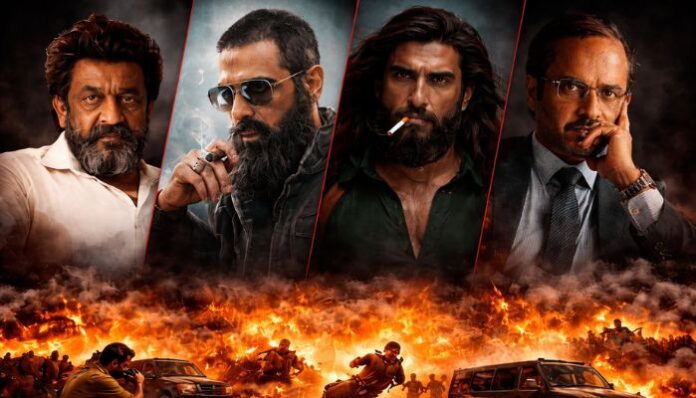
From self-reliance to cultural confidence
Manoj Kumar’s Purab Aur Pachhim continued this exploration of Indian identity. The film examined the relationship between Indian cultural values and Western influence, while presenting Indian traditions as a source of confidence rather than insecurity.
This period of Bollywood reflected the mood of a young republic trying to establish itself. India was dealing with poverty, development challenges and questions about its place in the world.
Patriotic films of the era consequently emphasised self-reliance, unity, cultural identity and optimism.
Patriotism was increasingly associated with the idea that ordinary citizens had a role in strengthening the nation. Farmers, soldiers, workers and families could all become symbols of national progress.
The tone was emotional but generally hopeful. Instead of portraying India as a nation constantly under threat, these films often portrayed it as a country still finding its feet and building its future.
The 1980s brought patriotism into mainstream entertainment
Bollywood underwent another major transformation during the 1980s with the rise of commercial masala cinema.
Patriotic themes began merging with action, melodrama, revenge stories and larger-than-life characters. Nationalism became part of the entertainment formula rather than remaining confined to serious historical or war dramas.
Kranti and Karma demonstrated how patriotic stories could be packaged as mainstream action spectacles.
In these films, sacrifice remained central, but the presentation became more dramatic. The patriotic hero was no longer simply an ordinary citizen responding to a national crisis. He could also become a larger-than-life action figure capable of confronting powerful enemies.
This development helped make patriotic cinema accessible to a wider commercial audience.
The idea of giving one’s life for the nation continued to resonate, but the language surrounding that sacrifice became more emotional, dramatic and heroic.
The emergence of the muscular national hero
The 1990s and early 2000s introduced another powerful shift.
Patriotism became increasingly connected with national security, terrorism, military conflict and cross-border tensions. The soldier emerged as one of the most recognisable patriotic figures in mainstream Hindi cinema.
Films such as Border presented military personnel as symbols of courage and national duty. The genre increasingly focused on battlefield heroism and the emotional bonds between soldiers, their families and the country they served.
Then came Gadar: Ek Prem Katha, which took patriotic cinema into a more overtly aggressive and mass-oriented space.
The film’s central character was not portrayed as a restrained military professional. Instead, he represented an intensely emotional and fiercely protective version of Indian identity.
This form of patriotism was loud, direct and designed for mass audiences. The hero’s love for the country was inseparable from his willingness to confront anyone perceived as threatening it.
Patriotism expanded beyond the battlefield
Not all modern patriotic films have centred on war.
Movies such as Swades explored patriotism through social responsibility and development. Rather than fighting an enemy with weapons, the protagonist’s contribution involved returning to India and working to improve the lives of people in a rural community.
Chak De! India offered another interpretation. The film used sport to explore national unity, overcoming regional and social divisions through a common national identity.
These films demonstrated that patriotism could also be quiet and constructive.
The country could be served through education, social development, professional responsibility, sports or community work. Such stories broadened the definition of national service beyond the conventional soldier narrative.
A new language of confidence
The 21st century has increasingly produced a more assertive form of patriotic cinema.
The contemporary patriotic hero is often presented as confident, technologically capable and willing to take the fight to an adversary. National security and intelligence operations have become prominent themes, while dialogues have become more forceful.
This is particularly visible in recent action-oriented patriotic films.
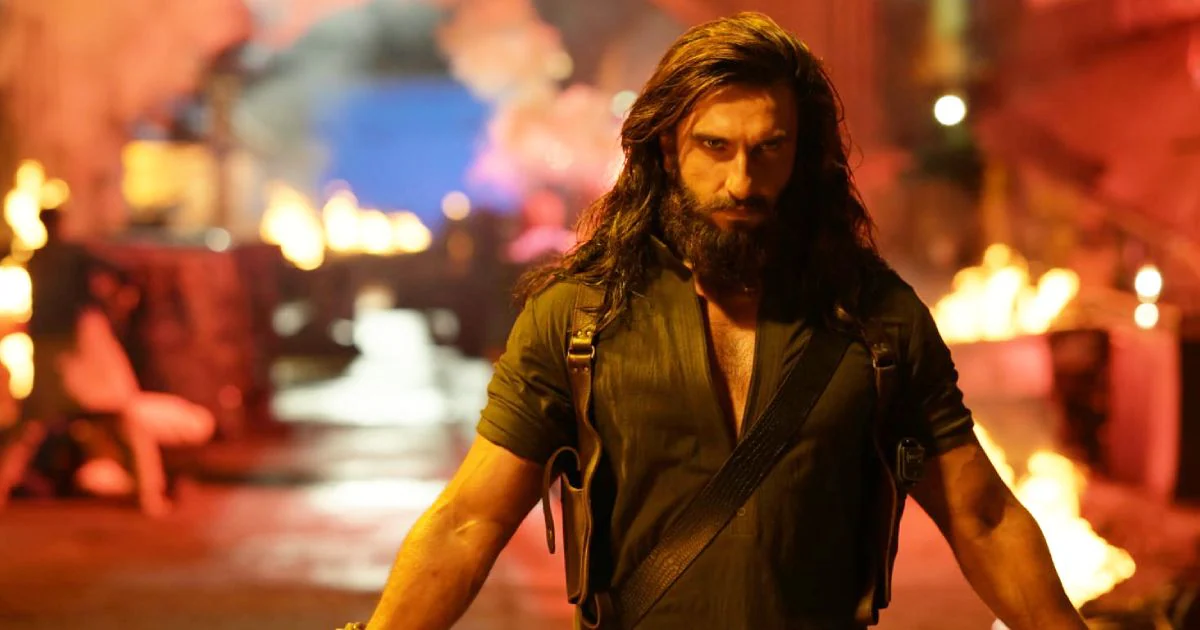
The Dhurandhar films represent this newer cinematic vocabulary. Their presentation of patriotism is aggressive and confident, with national interest, intelligence operations, terrorism and retaliation forming major parts of the narrative.
The emphasis is no longer solely on defending India from an attack. The contemporary cinematic image is often that of an India capable of responding decisively and projecting strength.
This represents a substantial change from the patriotic films of the early post-Independence period.
From sacrifice to swagger
The evolution can broadly be understood through several stages.
The first stage was defiance. During colonial rule, patriotism meant resisting foreign authority and imagining an independent India.
The second stage was nation-building. After Independence, films celebrated farmers, soldiers, workers and citizens contributing to the development of a young republic.
The third stage was mass patriotism. During the commercial cinema era, nationalism became part of action-driven entertainment, with heroes fighting enemies and making personal sacrifices.
The fourth stage was military nationalism. War, terrorism and national security became increasingly important subjects.
The latest stage can be described as patriotic confidence or swagger. Modern films often present India as stronger, more assertive and unwilling to retreat when confronted by an external threat.
This does not mean that older forms have disappeared. They continue to exist alongside contemporary interpretations.
Why patriotic dialogues remain powerful
One of Bollywood’s greatest contributions to India’s patriotic culture has been its ability to turn fictional dialogue and songs into phrases that audiences remember for years.
Some lines from films become associated with national celebrations, while others are repeatedly shared on social media or quoted during public events.
Their popularity comes partly from their simplicity. A powerful patriotic dialogue can condense complicated emotions about identity, belonging, sacrifice and national pride into a single memorable sentence.
Films such as Gadar: Ek Prem Katha created an especially strong tradition of mass patriotic dialogue. Later movies continued the trend, often using powerful one-liners to establish the hero’s relationship with the nation.
At the same time, films such as Chak De! India demonstrated that patriotic dialogue does not always need to involve military strength. National unity can be equally powerful when presented through sport, teamwork and a rejection of regional divisions.
Bollywood mirrors the changing Indian audience
The transformation of patriotic cinema is closely connected to changes in its audience.
A country emerging from colonial rule naturally produced stories about freedom and resistance. A young republic trying to become self-reliant produced stories about development and national reconstruction.
As India’s economy and global position changed, cinema began reflecting a growing sense of national confidence.
The audience also changed. Bollywood became increasingly commercial, action-driven and visually ambitious. At the same time, viewers became exposed to global cinema, international politics and new forms of storytelling.
Consequently, patriotic films had to evolve.
Today’s audience may expect large-scale action, sophisticated production design, intelligence operations and technologically advanced protagonists. Contemporary patriotic cinema has adapted to those expectations.
The changing tone therefore reflects both the country and the entertainment preferences of the people watching these films.
Independence Day gives patriotic cinema a new life
Every year, Independence Day brings many of these films back into public attention.
Television channels revisit classics, streaming platforms promote patriotic titles and social media fills with memorable songs and dialogues.
For different generations, these films represent different ideas of India.
For older audiences, a classic patriotic song may evoke the optimism of the early republic. For another generation, a war film may represent the bravery of soldiers. Younger audiences may connect more strongly with contemporary action thrillers featuring intelligence officers and national-security missions.
The annual revival of these films therefore creates a kind of cultural timeline.
Through cinema, audiences can observe how India’s understanding of patriotism has changed over nearly a century.
The larger meaning of Bollywood’s patriotic journey
Bollywood’s history of patriotic storytelling is ultimately a history of changing national emotions.
The earliest films had to communicate patriotism carefully because the country was still under foreign rule. After Independence, cinema celebrated the possibilities of a new nation. As India developed, films increasingly expressed pride in its identity and achievements.
Later, the emphasis shifted towards military strength and national security. Today, many mainstream films present patriotism through confidence, assertiveness and the belief that India can defend its interests with strength.
Yet the older themes remain relevant.
Patriotism can still mean sacrifice. It can mean serving society. It can mean protecting the country. It can mean preserving cultural identity. It can mean overcoming divisions and working towards a common national goal.
What has changed is the cinematic vocabulary used to express these ideas.
From the coded resistance of Kismet to the nation-building optimism of Upkar, from the mass nationalism of Gadar to the modern confidence of Dhurandhar, Bollywood has continually reinvented the way it portrays the relationship between the individual and the nation.
The evolution from defiance to pride, and from pride to swagger, ultimately reflects a larger transformation in India’s own self-image. Hindi cinema has not simply recorded that transformation; through its songs, heroes, stories and dialogues, it has also helped shape the way generations of Indians understand patriotism.