
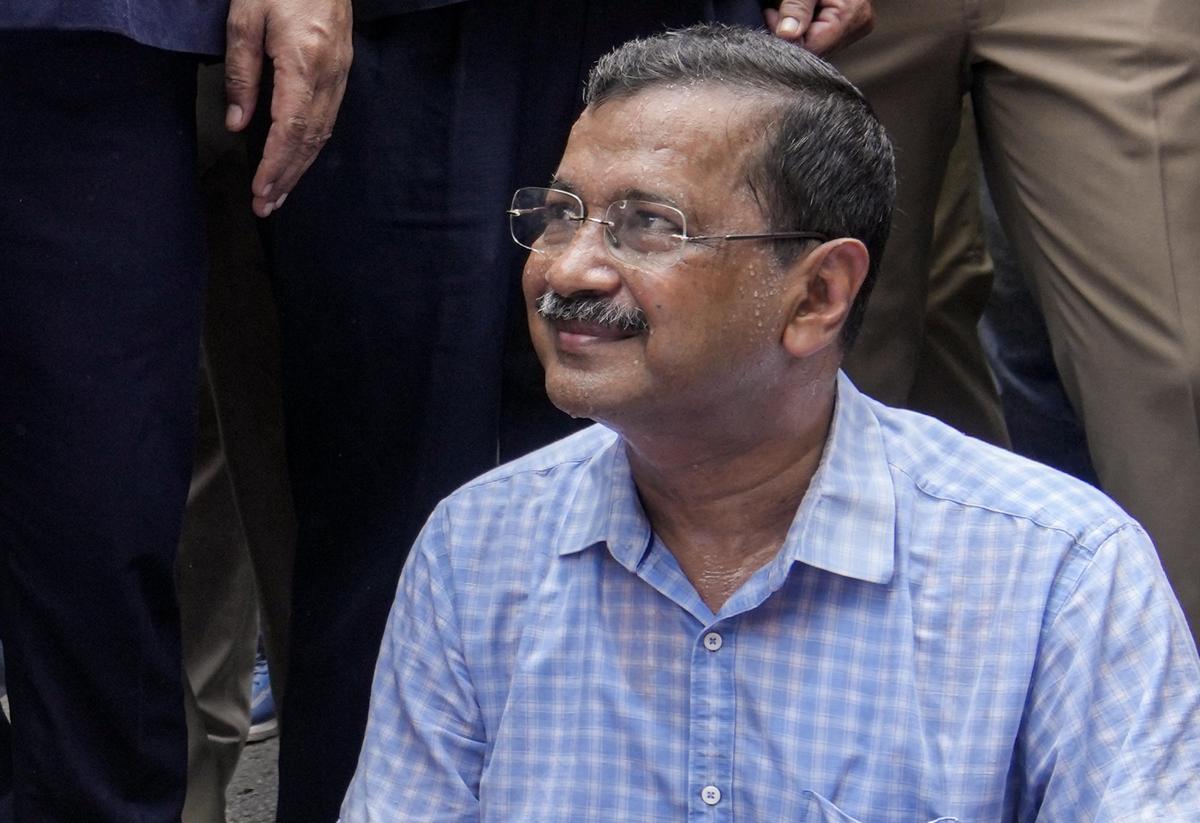
Aam Aadmi Party national convenor Arvind Kejriwal has extended his support to students protesting in Jharkhand over alleged irregularities in government recruitment examinations, calling on the state government to address their concerns and ensure transparency in the recruitment process.
The protests, which have gained momentum in Ranchi, are primarily being led by aspirants associated with examinations conducted by the Jharkhand Public Service Commission (JPSC) and Jharkhand Staff Selection Commission (JSSC). The students have raised several concerns over the conduct of recruitment examinations and have demanded reforms to make the selection process more transparent and credible.
Kejriwal’s intervention has added a political dimension to the ongoing agitation, which has already attracted attention from several political parties and leaders. He expressed solidarity with the protesting students and criticised the use of force against demonstrators, arguing that the grievances of young people should be addressed through dialogue rather than confrontation.
Students Intensify Protest in Ranchi
The student movement has intensified in recent days as protesters continue to demand action from the Jharkhand government and reforms in the recruitment system.
The aspirants have alleged irregularities in various recruitment examinations and have called for greater accountability from the agencies responsible for conducting these examinations. They argue that candidates preparing for government examinations invest considerable amounts of time, money and effort, making fairness and transparency essential to the recruitment process.
The protests have also focused on demands for changes in the functioning of the JPSC and JSSC. Students have sought assurances that future examinations will be conducted in a manner that protects candidates from irregularities and ensures equal opportunities for all participants.
The agitation gained further momentum after negotiations between representatives of the protesting students and the state authorities failed to produce a solution acceptable to the protesters.
Tensions Rise During Assembly March
The situation became tense when protesting students attempted to march towards the Jharkhand Assembly. The demonstration was stopped by security personnel, following which clashes and confrontation were reported between protesters and police.
Authorities used measures including water cannons, tear gas and batons to disperse the demonstrators. The police action reportedly resulted in injuries, further intensifying anger among student groups.
The incident subsequently became a major political issue, with opposition leaders questioning the government’s handling of the protest.
The protesters have maintained that their demands concern the future of thousands of candidates preparing for government employment and that the authorities should engage with them through meaningful discussions.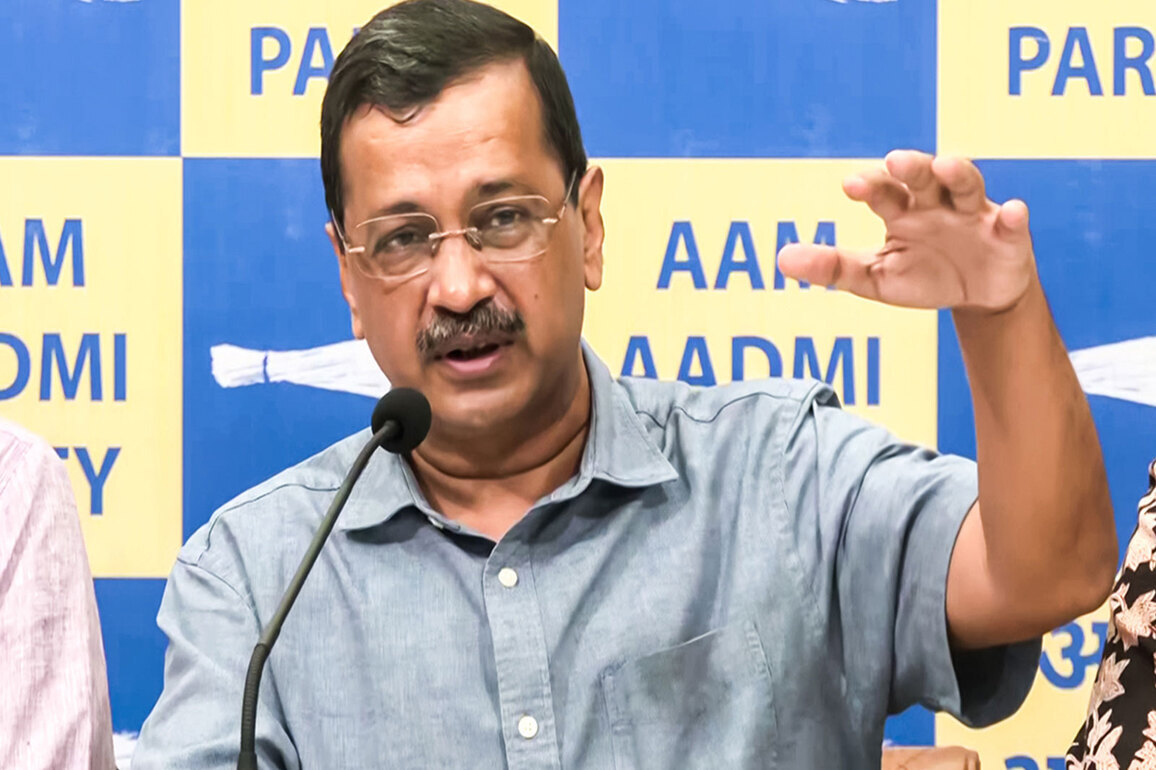
Kejriwal Condemns Action Against Protesters
Reacting to the developments, Kejriwal expressed support for the protesting students and criticised the use of force during the demonstrations.
He said that students raising concerns about examinations and recruitment should be heard by the government. According to him, young people preparing for competitive examinations should not have to face violence when seeking answers from the authorities.
His remarks have strengthened political support for the student movement and placed additional pressure on the Jharkhand government to respond to the protesters’ concerns.
The issue has also drawn reactions from other opposition leaders, who have called for the government to engage with the students and resolve the dispute through discussions.
Recruitment Transparency at the Centre of Dispute
At the heart of the agitation is the demand for greater transparency in government recruitment examinations.
Competitive government examinations attract thousands of candidates, many of whom spend years preparing for a limited number of vacancies. Any allegation of irregularities can therefore have a significant impact on students and their career prospects.
The protesters have raised questions regarding the examination process and have demanded accountability for alleged irregularities. Some groups have also called for an independent investigation into the matter.
The demand for a Central Bureau of Investigation inquiry has emerged as one of the key issues among sections of the protesting students.
The protesters believe that an independent investigation could help establish the facts surrounding the allegations and restore confidence in the recruitment system.
Government Under Pressure to Resolve the Standoff
The growing protest has put the Jharkhand government under increasing pressure to find a solution.
Chief Minister Hemant Soren has appealed to the protesting students to maintain dialogue with the government and has urged them not to allow political forces to take advantage of the situation.
The government has indicated that it is prepared to listen to the concerns of students. However, the failure of discussions to satisfy the protesters has resulted in the continuation of the agitation.
The confrontation outside the Assembly has made the situation more complicated, increasing the need for renewed negotiations between the government and student representatives.
Political Parties Enter the Debate
The student protest has increasingly become a political issue in Jharkhand.
Opposition parties have criticised the state government’s handling of the demonstrations and have accused the authorities of failing to adequately address the concerns of recruitment aspirants.
Kejriwal’s support adds to the political attention surrounding the protests. His intervention comes at a time when other opposition leaders have also expressed solidarity with the students.
The Bharatiya Janata Party has also announced a statewide shutdown in response to the police action against the protesters, further escalating the political confrontation surrounding the issue.
The developments have transformed what began as a student-led campaign over recruitment examinations into a broader debate about employment, examination transparency and the government’s response to public protests.
Students Seek Fair Opportunity
For the protesting aspirants, the primary concern remains the fairness of the recruitment process.
Government employment continues to be highly competitive, particularly among young people seeking stable career opportunities. Candidates often spend months or years preparing for examinations, making the credibility of the selection process extremely important.
Students argue that recruitment agencies must ensure that examinations are conducted fairly and that allegations of irregularities are investigated properly.
They have also called for stronger mechanisms to prevent future problems and ensure that candidates have confidence in examination authorities.
The protesters believe that any failure to address their concerns could affect not only the current batch of candidates but also future aspirants preparing for government examinations in the state.
Wider Concerns Over Government Recruitment
The Jharkhand agitation reflects a broader concern among young job seekers across India regarding competitive examinations and government recruitment.
With a large number of candidates competing for relatively few positions, recruitment examinations have become extremely important for those seeking secure employment. As a result, allegations of examination irregularities can quickly trigger large-scale protests.
Issues involving examination delays, alleged irregularities, recruitment disputes and demands for independent investigations have repeatedly generated concern among aspirants.
The Jharkhand protests have therefore attracted wider attention because they combine questions about recruitment transparency with broader concerns about employment opportunities and accountability.
Dialogue Seen as Key to Ending Protest
The immediate challenge before the Jharkhand government is to restore confidence among the protesting students and prevent further escalation.
A meaningful dialogue between student representatives and the authorities could provide an opportunity to address specific grievances and clarify the government’s position on the various demands.
For the protesters, however, assurances alone may not be sufficient. They are seeking concrete action on recruitment reforms and investigations into allegations of irregularities.
Kejriwal’s support has increased political pressure on the government, while the involvement of other opposition parties has made the issue more prominent.
As the protest continues, the focus is likely to remain on whether the government can find a solution acceptable to the students while ensuring that future recruitment examinations are conducted transparently and fairly.
The Jharkhand student agitation has thus emerged as a significant issue involving not only recruitment examinations but also wider questions of youth employment, administrative accountability and the government’s approach towards peaceful demonstrations.