
The Maharashtra Food and Drug Administration (FDA) has suspended the food licence of Blink Commerce Pvt Ltd, the company operating quick-commerce platform Blinkit, following a food-safety inspection at one of its facilities in Malad West, Mumbai.
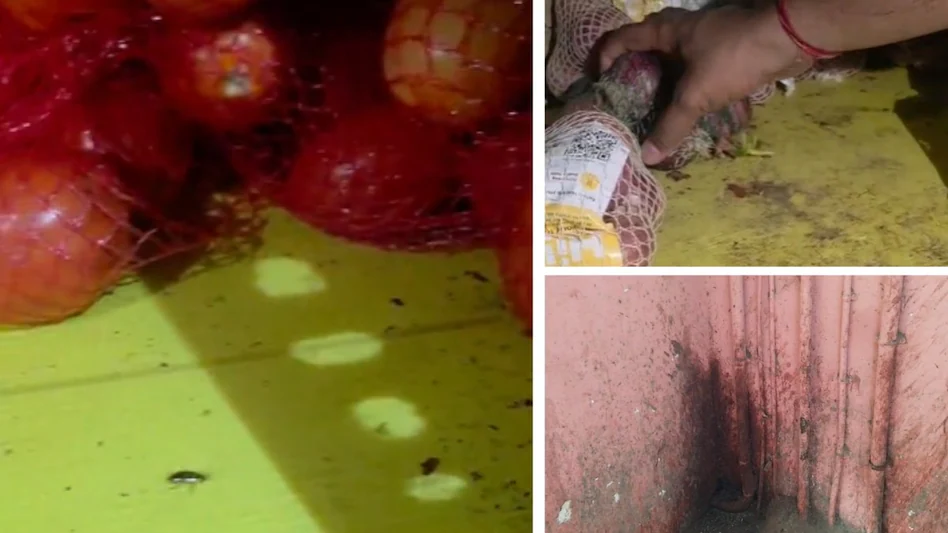
The inspection reportedly uncovered serious hygiene and storage-related violations, including a major cockroach infestation, improperly stored food products, poor cleanliness in cold-storage areas and the presence of expired or spoiled packaged food. Food items were also found kept on rusted racks, raising concerns about the conditions in which products were being stored before reaching consumers.
The regulatory action highlights growing scrutiny of food-safety practices at large warehouse and quick-commerce facilities, where thousands of grocery and packaged-food orders can be processed and dispatched within a short period.
Serious hygiene violations detected
Food safety officials inspected the Blinkit facility in Malad West as part of regulatory checks and found several conditions that were considered inconsistent with food-safety requirements.
Among the most significant findings was an extensive cockroach infestation inside the facility. The presence of pests in an area used to store food products can create a serious contamination risk, particularly when food items are kept in conditions that allow pests to come into contact with packaging or storage surfaces.
Inspectors also found food articles placed on rusted racks. Such storage conditions can raise concerns about hygiene, product handling and the overall maintenance of the facility.
The inspection further identified inadequate cleanliness in cold-storage sections. Cold storage is particularly important for products requiring controlled temperatures, and poor sanitation in these areas can increase the possibility of contamination and deterioration.
Expired and spoiled products found
Another major concern identified during the inspection was the presence of expired and spoiled packaged food.
Expired food products are not permitted to enter the consumer supply chain because their quality and safety cannot be guaranteed beyond the stated shelf life. The discovery of such products at a commercial food-storage facility therefore raises questions about inventory management, segregation of expired stock and the procedures followed before orders are dispatched.
The inspection also reportedly found tampered products, adding another layer to the concerns raised by food-safety officials.
The findings prompted the Maharashtra FDA to take regulatory action against the facility and suspend its food licence.
Action against the company
The licence suspension applies to Blink Commerce Pvt Ltd, the corporate entity operating Blinkit. The action followed the findings recorded by food-safety officials during their inspection.
A licence suspension is a significant regulatory measure because food businesses are required to maintain prescribed standards relating to hygiene, storage, handling and the safety of products offered to consumers.
The development places the focus on the internal systems used by quick-commerce companies to manage large inventories across warehouses and fulfilment centres.
Blinkit had not provided a response to requests for comment at the time of the report.
Why warehouse hygiene matters in quick commerce
Quick-commerce services have changed the way consumers purchase groceries and packaged food. Instead of visiting traditional retail stores, customers can order products through an app and receive them within a short period.
This model depends heavily on a network of warehouses and dark stores where products are received, stored, sorted and handed over to delivery personnel.
Because these facilities serve as an important link between manufacturers, distributors and consumers, maintaining proper hygiene and storage conditions is essential. Poor sanitation, pest infestation or improper segregation of expired products can potentially affect the safety and quality of goods before they reach customers.
The Mumbai inspection therefore raises broader questions about how food-safety standards are implemented across rapidly expanding quick-commerce networks.
Maharashtra FDA intensifies food-safety scrutiny
The action against the Malad facility comes amid increased attention by authorities towards food-safety practices at large retail and delivery operations in Maharashtra.
Regulators have been inspecting food establishments and storage facilities to identify violations involving hygiene, expired products, food handling and storage conditions.
The latest action also comes against the backdrop of separate proceedings involving an Amazon Retail India warehouse in Bhiwandi, Thane district.
In that case, the Bombay High Court directed the company to prepare an inventory of expired and perished goods stored at the facility and hand them over to the FDA for scientific disposal. The court also directed that the company bear the cost of disposing of the products.
The court further asked the FDA to submit its response to the company’s challenge against the suspension of the warehouse’s licence by August 27.
Although the two cases involve different companies and facilities, both developments underline the importance of proper handling and disposal of expired food products.
Consumer safety remains the central concern
For consumers, the primary concern in such cases is whether food purchased through modern retail and quick-commerce platforms is being stored under safe and hygienic conditions.
The findings at the Mumbai facility show why food-safety checks remain important even when products are sold through digital platforms. While consumers may place orders through an app, the physical handling and storage of food still take place in warehouses and fulfilment centres.
Regulatory inspections provide authorities with an opportunity to identify problems before unsafe or unsuitable products reach customers.
The presence of pests, expired products and poor storage conditions can also affect consumer confidence in quick-commerce services, particularly as these platforms increasingly become a regular source of groceries and packaged food.
Need for stronger compliance systems
The incident also points to the need for companies operating large food-storage networks to maintain robust internal compliance systems.
Regular pest-control measures, systematic cleaning, proper cold-storage maintenance, inspection of incoming stock, accurate inventory records and immediate segregation of expired products are essential components of a food-safety system.
Companies must also ensure that damaged, spoiled or tampered products are clearly separated from saleable inventory and cannot accidentally enter the fulfilment process.
As the quick-commerce sector continues to expand, maintaining consistent standards across multiple facilities is likely to remain an important regulatory and operational challenge.
The Maharashtra FDA’s action against the Malad facility demonstrates that food-safety authorities can take strict measures when serious violations are identified. For consumers, the larger issue is ensuring that convenience and rapid delivery do not come at the expense of food hygiene and safety.