
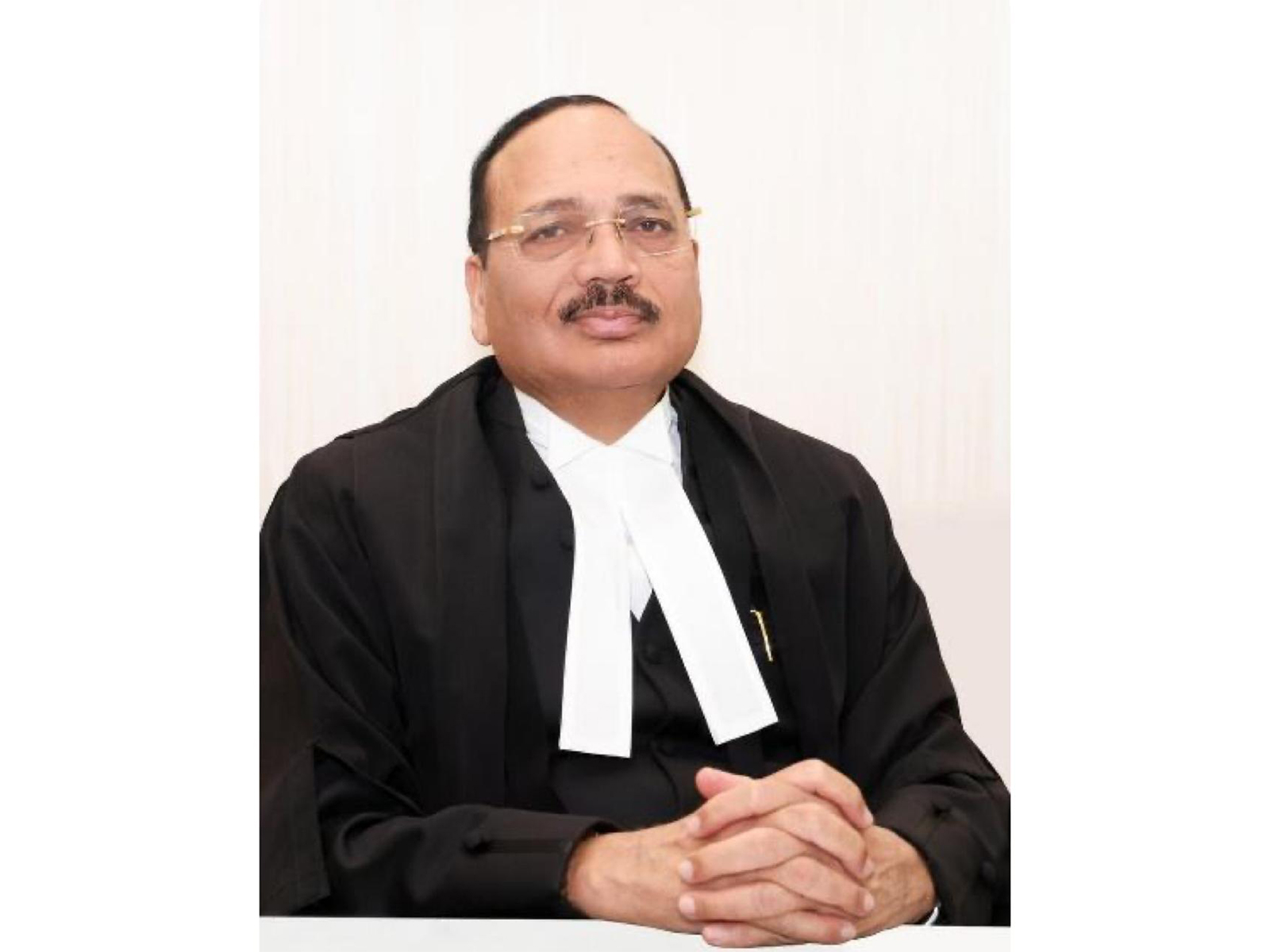
Chief Justice of India Surya Kant on Thursday indicated that the Supreme Court could consider judicial intervention over the closure of several Delhi Metro stations if the authorities failed to resolve the difficulties being faced by lawyers, court employees and others trying to reach the Supreme Court complex.
The issue was raised at the beginning of proceedings when Supreme Court Bar Association president and senior advocate Vikas Singh drew the attention of a bench headed by the Chief Justice to the problems caused by the closure of the Supreme Court Metro station. The disruption, he said, had made it significantly more difficult for members of the legal fraternity and court staff to access the court premises.
The Chief Justice said administrative efforts were already under way to find a solution to the situation. He indicated that the authorities had been instructed to examine possible arrangements and expressed the expectation that the matter would be resolved by lunchtime. If no workable solution emerged, the court could consider taking up the issue through judicial proceedings.
The development came amid heightened security measures in the national capital, during which multiple Metro stations were reportedly closed as a precautionary measure. The closures affected several strategically located stations, including the Supreme Court, Rajiv Chowk, Central Secretariat, Mandi House, ITO and Khan Market stations.
The temporary shutdowns have created difficulties for people travelling to important government and judicial institutions in central Delhi. For the Supreme Court in particular, the closure of the nearby Metro station has affected the daily commute of lawyers, litigants, registry officials and court employees who rely on public transport to reach the court complex.
During the proceedings, Singh suggested that authorities could consider a more targeted security arrangement instead of imposing a complete closure of the station. Under the proposed approach, lawyers and registry officials could be allowed to use the station after their identities were verified through Supreme Court proximity cards, with additional security screening carried out at exit points.
Such an arrangement, he argued, could help maintain security while ensuring that those who regularly need to access the court are not unnecessarily inconvenienced.
The Chief Justice also referred to steps already taken at the administrative level to prevent the transportation disruption from adversely affecting legal proceedings. He said directions had been issued that no adverse orders should be passed in matters where lawyers were unable to appear because of commuting difficulties caused by the Metro station closures.
The issue therefore extends beyond inconvenience for commuters, as the disruption could potentially affect access to justice if lawyers are unable to appear before the court on scheduled hearing dates. The administrative direction is aimed at ensuring that parties do not suffer procedural consequences because of circumstances beyond their control.
The Chief Justice’s remarks also signalled that the court was prepared to consider a judicial solution if the administrative measures failed to produce a satisfactory outcome. While the immediate preference appeared to be for the authorities to resolve the issue through coordination, the possibility of the Supreme Court examining the matter judicially remained open.
The closure of Metro stations came against the backdrop of heightened security arrangements in Delhi following ongoing protests in the capital. Authorities cited security considerations for the restrictions, resulting in the temporary closure of several stations in and around central Delhi.
The restrictions have had a wider impact on public movement, particularly in areas that host major government offices, courts and other important institutions. The Supreme Court’s proximity to one of the affected stations has brought the issue into sharper focus, with members of the legal community raising concerns over the practical consequences of the closures.
The situation also highlights the challenge authorities face in balancing security requirements with uninterrupted public access to essential institutions. While security measures may become necessary during periods of heightened tension, prolonged or blanket restrictions can create difficulties for people who need to travel to courts and government offices for legitimate and time-sensitive purposes.
For the legal community, the availability of reliable transport is particularly important because court proceedings operate according to fixed schedules. Lawyers may have multiple matters listed on a single day, while litigants and court staff also need to reach the premises at specific times. Any major disruption to public transport can therefore have consequences beyond ordinary commuting inconvenience.
The Supreme Court’s willingness to consider the issue, if necessary, puts the focus on finding a balance between security protocols and the need to preserve access to judicial institutions. The immediate expectation is that the concerned authorities will explore an arrangement that addresses security concerns while allowing eligible members of the legal community and court staff to reach the premises without unnecessary difficulty.
The Chief Justice’s intervention also underscores the court’s concern that administrative or security-related restrictions should not inadvertently prevent lawyers from effectively representing their clients. The direction against passing adverse orders in cases affected by the commuting problems further reflects an effort to ensure that litigants are not penalised for circumstances arising from the Metro closures.
The matter could therefore take a more formal judicial route if the administrative discussions fail to deliver a solution. For now, however, the focus remains on resolving the issue through coordination between the relevant authorities and ensuring that access to the Supreme Court is not unduly disrupted.