
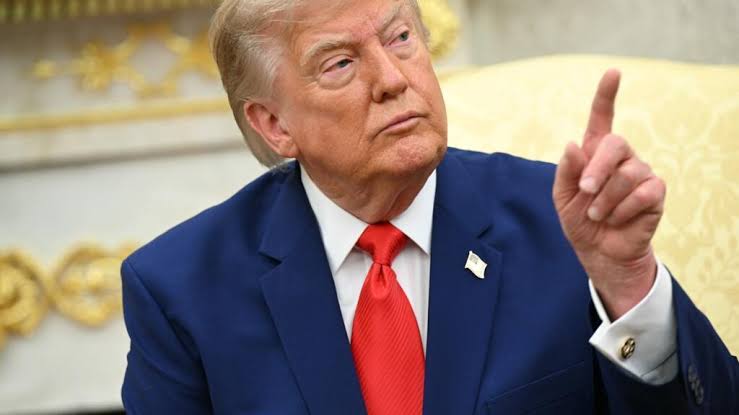
The United States has officially implemented a fresh round of tariffs on imports from Brazil, marking another significant step in President Donald Trump’s aggressive trade policy aimed at reshaping America’s economic relationships with key trading partners. The move comes as the administration prepares to announce additional trade measures affecting several countries, reinforcing its broader strategy of using tariffs as a central tool in international negotiations.
The newly enforced duties are expected to impact a range of Brazilian exports entering the US market, adding pressure on trade relations between the two nations. The decision signals Washington’s continued commitment to pursuing what it describes as fairer trade practices while encouraging domestic manufacturing and reducing reliance on foreign imports.
Fresh Tariffs Signal Tougher Trade Stance
The latest tariffs represent another chapter in the administration’s evolving trade agenda, which has increasingly focused on imposing higher import duties on countries considered to have trade imbalances or policies viewed as unfavorable to American economic interests.
Government officials have indicated that the tariffs are intended to protect US industries from what they consider unfair competition while strengthening domestic production. The administration believes that higher import duties will encourage businesses to manufacture more products within the United States and reduce dependence on overseas suppliers.
However, economists caution that such measures can also increase costs for businesses and consumers, particularly when imported raw materials and manufactured goods become more expensive.
Brazil Faces Economic Challenges
Brazil, one of Latin America’s largest economies and an important trading partner of the United States, could experience significant consequences from the higher tariffs. Several Brazilian export sectors that rely heavily on access to the American market may face declining demand, reduced competitiveness, and financial uncertainty.
Industries involved in agriculture, metals, manufactured products, and other export-oriented businesses are expected to closely monitor the impact of the new duties. Companies may be forced to explore alternative export destinations or absorb additional costs to remain competitive in the US market.
Brazilian officials are expected to assess the economic implications of the tariffs and determine whether diplomatic engagement or other trade-related responses will be necessary. 
Broader Trade Strategy Continues
The tariffs on Brazilian goods are part of a wider trade strategy being pursued by President Trump, who has consistently emphasized the importance of reducing trade deficits and protecting American jobs. The administration has repeatedly argued that previous trade arrangements placed US businesses at a disadvantage and that stronger enforcement measures are necessary to secure better terms.
Officials have suggested that additional tariff announcements involving other countries could follow in the coming days as the administration continues to evaluate international trade relationships.
The strategy reflects a broader effort to use trade policy as leverage in negotiations over market access, industrial production, and economic cooperation.
Global Markets Watch Developments Closely
International financial markets and business leaders are closely watching the latest developments, as changes in trade policy often influence investment decisions, supply chains, and commodity prices.
Analysts note that tariffs can create uncertainty for multinational companies operating across multiple countries. Businesses dependent on international supply networks may need to reassess sourcing strategies, production costs, and pricing models if trade barriers continue to expand.
Investors are also monitoring whether further tariff announcements could trigger additional volatility in global markets or lead to retaliatory measures from affected countries.
Potential Impact on Bilateral Relations
The latest trade measures have introduced fresh uncertainty into US-Brazil economic relations. While both countries maintain longstanding commercial ties, higher tariffs may complicate future negotiations and influence investment decisions between businesses operating in both markets.
Trade experts believe that continued dialogue between the two governments will be essential to managing potential disputes and minimizing disruptions to bilateral commerce. Diplomatic efforts could play an important role in preventing the escalation of trade tensions while preserving broader economic cooperation.
Businesses Prepare for Changing Trade Environment
Companies involved in importing and exporting goods between the United States and Brazil are now evaluating the practical effects of the new tariffs. Many firms are expected to review contracts, adjust pricing strategies, and assess whether supply chains need to be restructured to limit additional costs.
Industry groups have urged policymakers to consider the long-term economic implications of sustained tariff increases, warning that prolonged trade barriers could affect competitiveness, employment, and investment across multiple sectors.
Outlook
The implementation of the new tariffs underscores the Trump administration’s determination to continue using trade policy as a key component of its economic agenda. As additional trade actions are anticipated, governments, businesses, and financial markets worldwide will closely monitor future developments and their potential impact on global commerce.
The coming weeks are expected to provide greater clarity on whether these measures lead to renewed negotiations, further tariff expansions, or adjustments in international trade strategies as countries respond to the evolving economic landscape.