
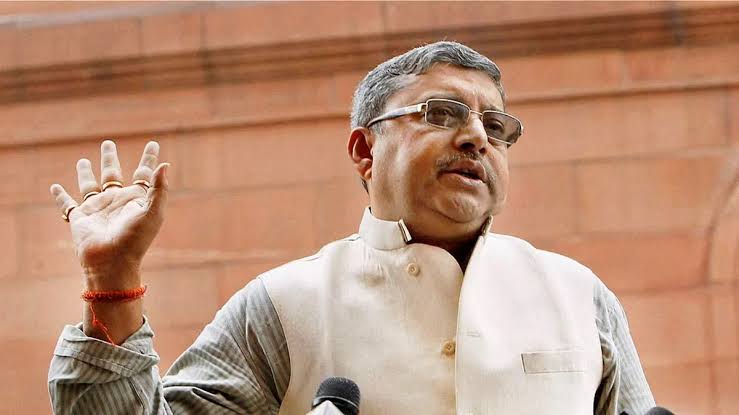
Trinamool Congress (TMC) Member of Parliament Kalyan Banerjee was suspended from the Lok Sabha after complaints were raised against him over the alleged use of abusive language during parliamentary proceedings. The action has intensified political tensions between the ruling National Democratic Alliance (NDA) and the Opposition, adding another chapter to the ongoing confrontations inside Parliament.
The suspension came after members who had previously left the Trinamool Congress and are now associated with other political parties objected to Banerjee’s remarks in the House. They alleged that the senior TMC leader used inappropriate and offensive language during a heated exchange, prompting demands for disciplinary action.
The issue quickly escalated inside the Lok Sabha, with members from the treasury benches strongly protesting Banerjee’s comments. Several MPs argued that the dignity and decorum of Parliament must be maintained at all times and insisted that language considered insulting or unparliamentary should not be tolerated.
Following the objections, the matter was brought before the Chair. After reviewing the circumstances and considering the complaints raised by members, the House moved towards disciplinary proceedings, resulting in Banerjee’s suspension from the ongoing session.
Political Tensions Escalate Inside Parliament
The incident occurred during a period of intense political exchanges between the government and Opposition parties. Parliamentary proceedings in recent sessions have frequently witnessed heated debates, slogan shouting, and repeated disruptions over a range of political and policy issues.
Banerjee, known for his outspoken style and sharp criticism of the ruling government, has often been involved in aggressive debates inside Parliament. His remarks during the latest exchange drew immediate criticism from rival MPs, who claimed that his language crossed acceptable parliamentary standards.
The suspension further deepened the political divide, with the ruling alliance defending the disciplinary action as necessary to uphold parliamentary decorum, while Opposition leaders questioned whether similar standards had been applied consistently across all parties.
Complaints by Former Party Members
The complaints against Banerjee were reportedly submitted by lawmakers who had previously been associated with the Trinamool Congress before joining other political formations. These members alleged that Banerjee directed offensive remarks towards them during the discussion, leading to demands for immediate intervention by the Chair.
They argued that Parliament is expected to remain a forum for respectful democratic debate and that personal attacks or abusive language undermine the institution’s credibility. The complaints were supported by members from the treasury benches, who sought strict disciplinary measures. 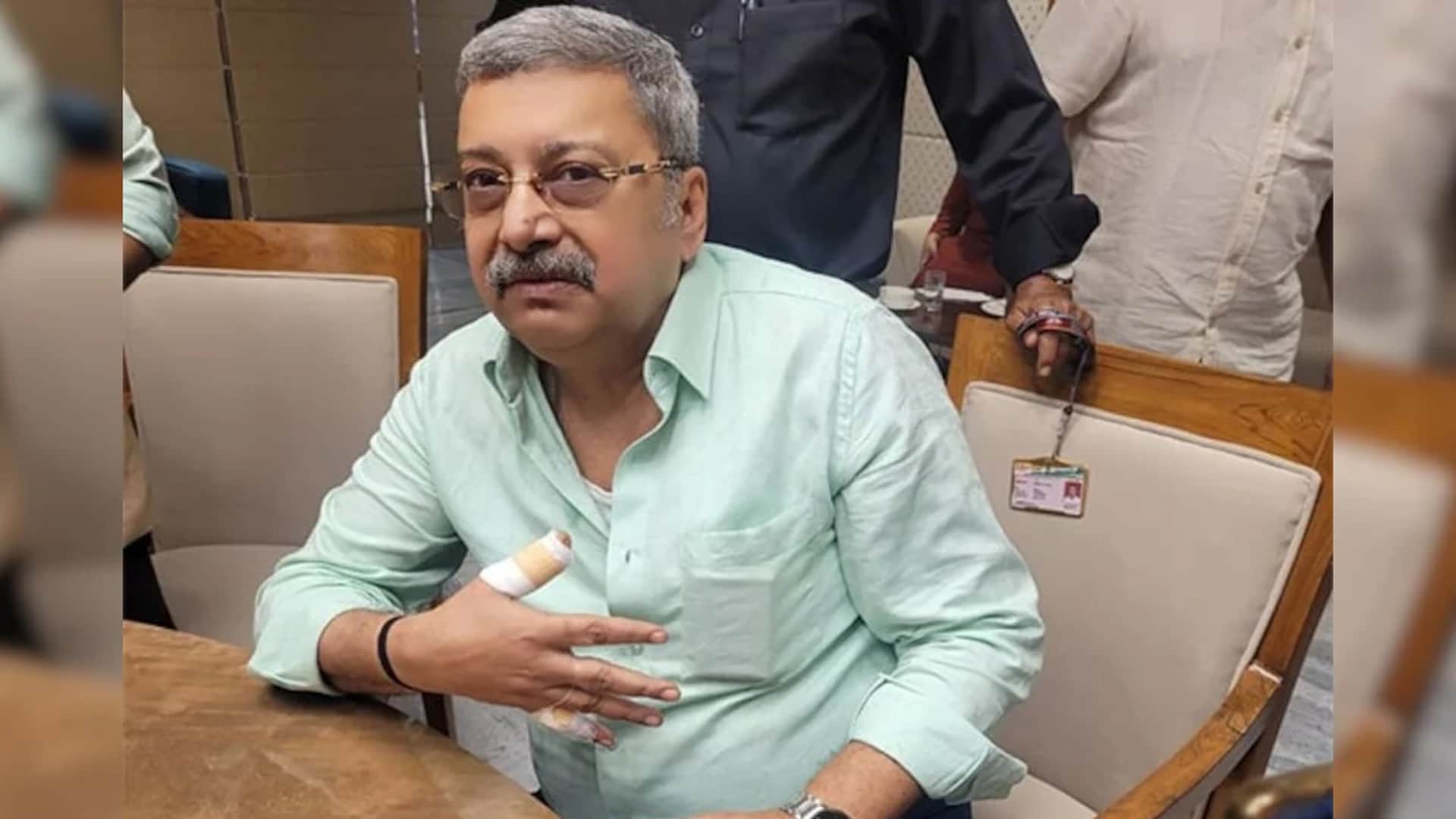
House Takes Disciplinary Action
After the objections were raised, parliamentary procedures were initiated to address the matter. The decision to suspend Banerjee reflected the House’s authority to take action against members whose conduct is considered inconsistent with parliamentary rules and established standards of behaviour.
Suspension from the Lok Sabha temporarily bars a member from participating in House proceedings for the duration specified in the motion adopted by the House. Such disciplinary measures are intended to preserve order during debates and ensure that parliamentary discussions are conducted respectfully.
Opposition Reacts to Suspension
The suspension triggered immediate reactions from Opposition parties, many of which criticised the decision and questioned whether disciplinary actions were being applied uniformly. Some Opposition leaders argued that members across political parties have been involved in heated exchanges in the past and maintained that similar incidents should be judged by identical standards.
Supporters of Banerjee viewed the suspension as politically motivated, while government representatives maintained that the action was based solely on maintaining parliamentary discipline and protecting the dignity of the House.
Continuing Friction in Parliament
The latest controversy reflects the increasingly confrontational atmosphere witnessed during recent parliamentary sessions. Disagreements over legislative business, political accusations, and procedural disputes have frequently resulted in disruptions and disciplinary actions involving members from both the ruling alliance and the Opposition.
Observers note that repeated confrontations inside Parliament continue to affect legislative proceedings, with debates often giving way to political clashes. The suspension of Banerjee is expected to remain a subject of political discussion in the coming days as both sides defend their respective positions.
Looking Ahead
With Parliament continuing its session, political parties are likely to use the controversy to reinforce their broader narratives regarding parliamentary conduct and democratic accountability. While the ruling alliance has defended the suspension as necessary to preserve the dignity of the House, the Opposition is expected to continue questioning the fairness and consistency of disciplinary actions.
The episode once again highlights the importance of maintaining respectful debate within Parliament, where strong political disagreements are expected but are required to remain within the framework of established parliamentary rules and democratic conventions.