
The cost of the United States’ ongoing military campaign against Iran has climbed beyond $37.5 billion, according to US Defence Secretary Pete Hegseth, who urged lawmakers to approve a major additional funding package to sustain military operations and strengthen American defence capabilities.
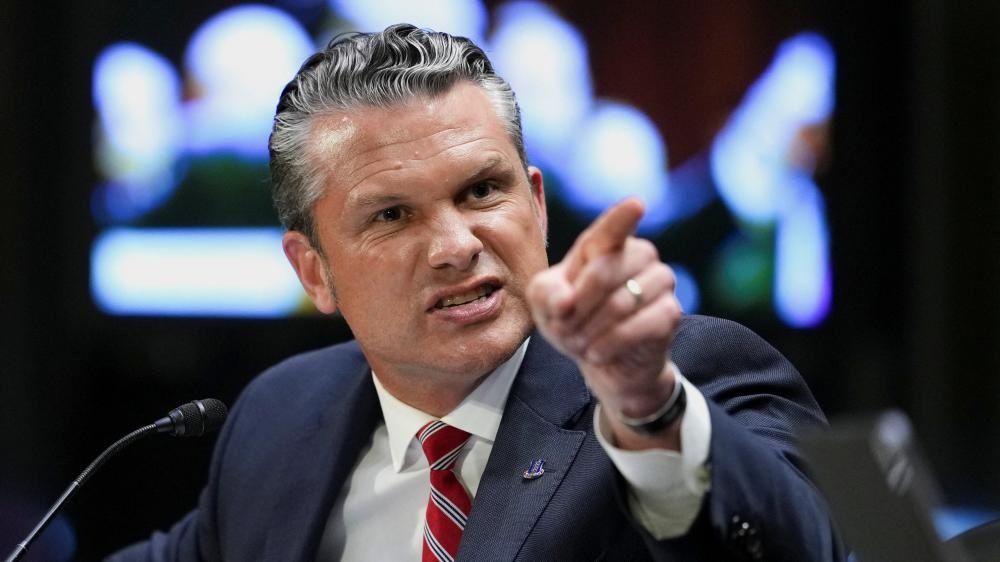
Hegseth disclosed the latest estimate during a Senate Appropriations Committee hearing, saying the figure represented the cost of the conflict since US military operations began on February 28. The latest assessment marks a significant rise from the Pentagon’s previous estimate of $29 billion in May, reflecting the growing financial burden of the prolonged military confrontation.
The defence secretary said the current figure also accounted for some expected military operations and maintenance expenses through September 30. His remarks came as American forces continued their campaign against Iranian targets, while Iran maintained retaliatory attacks against US troops and allied positions across the region.
Pentagon seeks $87 billion in additional funding
During the hearing, Hegseth asked Congress to approve an additional $87 billion for the Department of Defense. Of that amount, approximately $67 billion would be allocated to support active military operations in the Gulf, according to his presentation.
The request comes at a time when the US administration is already seeking a record defence budget of around $1.5 trillion for the next fiscal year. The combination of rising war expenses and broader defence spending plans has intensified debate in Washington over the long-term financial implications of the conflict.
Hegseth argued that the additional funding was essential to maintaining the readiness of US forces. He warned that without the requested resources, the military could face shortages affecting personnel payments, the replacement of weapons and ammunition, and the continuation of critical operations.
The defence secretary described the proposed spending as a “generational investment” in America’s military strength. He said the funding would help ensure that the United States remained capable of responding to threats and did not lose its strategic advantage over rival powers.
Hegseth defends military spending
Hegseth presented the funding request as part of a broader strategy aimed at strengthening America’s military capabilities. He argued that the United States operates in an increasingly dangerous global environment and needs sufficient resources to maintain a credible defence posture.
He also emphasised the administration’s philosophy of achieving peace through military strength. According to Hegseth, every dollar approved for the Department of Defense would be directed toward increasing the effectiveness and combat readiness of American forces.
The secretary’s comments reflect the administration’s position that maintaining a strong military is necessary to deter adversaries and protect US interests. However, the scale of the proposed expenditure has faced strong resistance from Democratic lawmakers, several of whom questioned whether the administration had a clear strategy for ending the conflict. 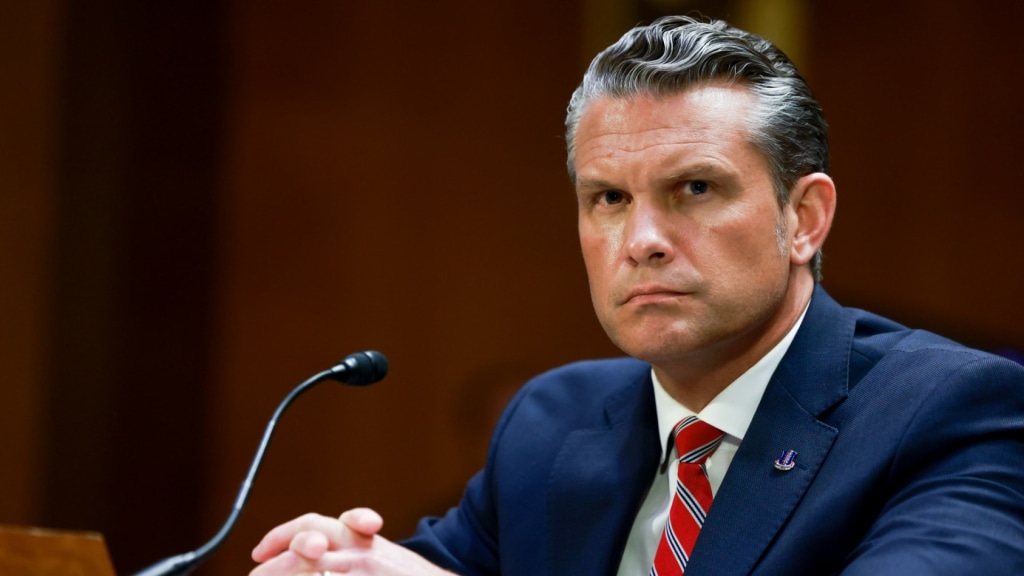
Democrats challenge rising war costs
The latest cost estimate prompted criticism from Democratic members of the Senate committee. Some lawmakers argued that the Pentagon’s calculation may not represent the full financial burden of the war because it may exclude certain future expenses, including the cost of repairing or rebuilding damaged US military facilities.
The increase from $29 billion in May to more than $37.5 billion has raised concerns about how quickly the financial cost of the conflict is escalating. Earlier estimates had indicated that the United States spent billions of dollars during the opening phase of the campaign alone.
Senator Patty Murray, the senior Democrat on the committee, criticised the administration’s approach and warned that the conflict appeared to be moving in a dangerous direction. She argued that lawmakers should not simply approve additional funding without a clear understanding of the government’s strategy and objectives.
Other Democratic senators also questioned the decision to commit billions of taxpayer dollars to continued military operations while Americans face pressure from rising living costs.
The hearing became increasingly tense as lawmakers challenged Hegseth over the administration’s handling of the conflict. Senator Gary Peters accused the government of lacking a clear path to victory and warned against drawing the United States into another prolonged war.
Hegseth strongly rejected the criticism and defended the troops involved in the operation. He argued that questioning the strategy should not be equated with criticising the service members carrying out military missions.
The heated exchange highlighted the growing political divide in Washington over the war, its objectives and the financial resources required to sustain it.
US military campaign continues
The debate over funding took place as the US military continued conducting strikes against Iranian targets. The latest operations marked the 11th consecutive night of American attacks, while Iranian forces continued responding with attacks and military activity targeting US interests and allied positions in the region.
Reports also indicated air-defence activity around Tehran, with explosions and interceptions reported in several parts of the Iranian capital. Military activity was also reported near Bushehr, an area that hosts one of Iran’s nuclear facilities.
The continued strikes have heightened concerns about the possibility of further escalation in the region. The conflict has already created significant uncertainty over regional security, energy supplies and the wider geopolitical balance in the Middle East.
Trump signals the conflict is not over
US President Donald Trump has indicated that American military operations against Iran are not yet complete. He has warned that further targets could be considered as the campaign continues.
Trump has also pointed to Iran’s nuclear infrastructure as a key factor behind the US military strategy. His comments suggest that Washington intends to maintain pressure on Tehran until it believes the threat posed by Iran’s nuclear capabilities has been sufficiently reduced.
The administration’s position has raised questions about how long the military campaign could continue and how much additional funding will ultimately be required.
War’s financial burden becomes a major concern
The latest $37.5 billion estimate is likely to fuel a broader debate about the economic consequences of the conflict. The figure does not necessarily represent the final cost of the military campaign, particularly if the conflict continues for an extended period.
Military operations involve expenses beyond the immediate cost of weapons and airstrikes. These can include troop deployments, logistics, fuel, maintenance, ammunition replacement, medical support and the repair or replacement of damaged military infrastructure.
As the conflict continues, the administration is seeking to persuade Congress that additional spending is necessary to maintain military readiness. Opposition lawmakers, however, are demanding greater transparency over the costs and a clearer explanation of the strategy for bringing the conflict to an end.
The disagreement reflects a fundamental divide over how the United States should respond to the Iran crisis. While the administration argues that sustained military pressure is necessary to protect American interests and strengthen deterrence, critics fear that continued escalation could lead to a prolonged conflict with mounting human and financial costs.
For now, the Pentagon’s latest assessment indicates that the war has already become a multibillion-dollar undertaking, with the cost continuing to rise as military operations remain active. The outcome of the administration’s funding request in Congress could determine the scale and sustainability of the US military campaign in the Gulf in the months ahead.