
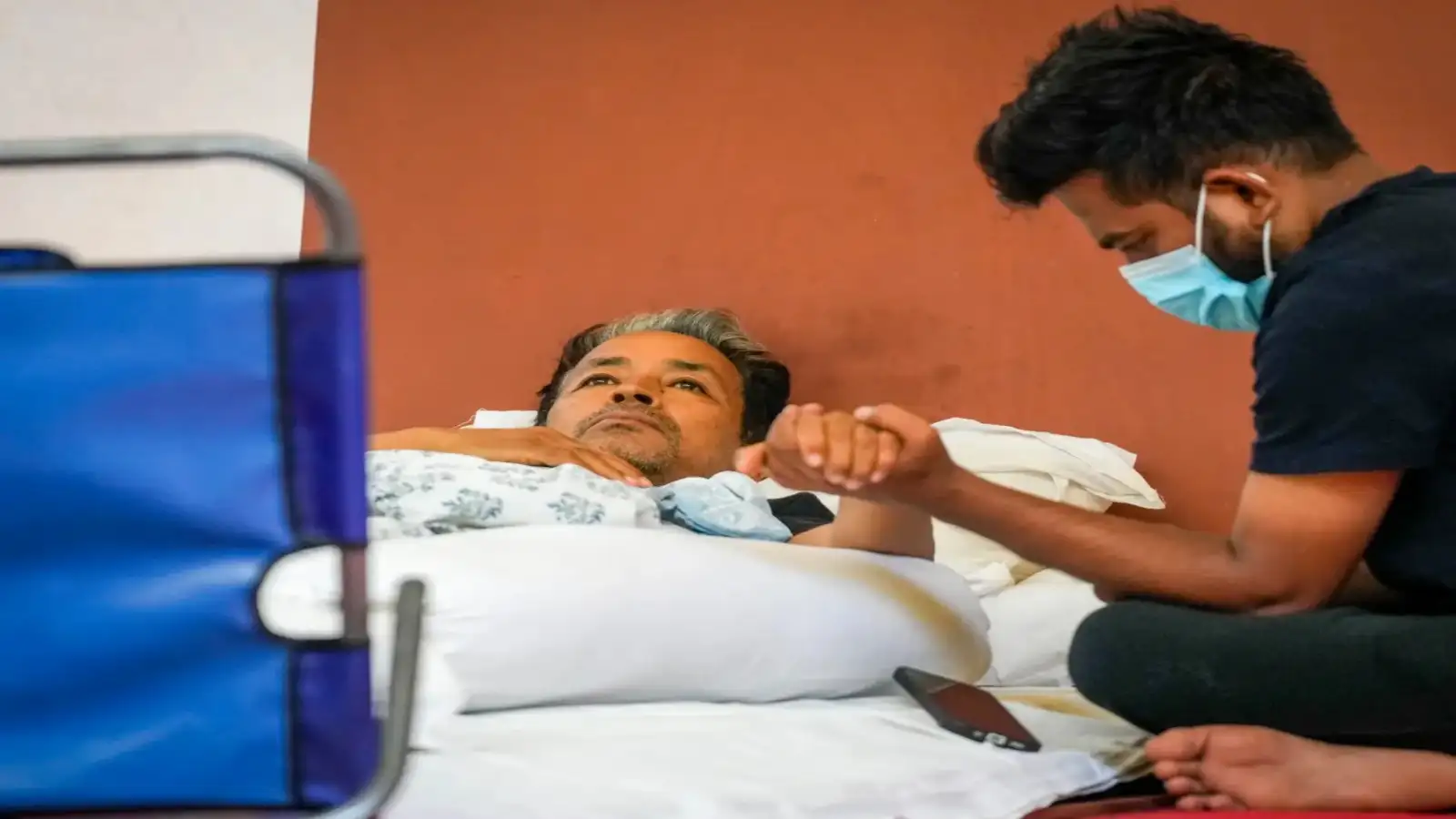
Climate activist Sonam Wangchuk continues to remain under medical supervision at Safdarjung Hospital as his prolonged hunger strike takes a toll on his health. Doctors have reported that his vital parameters are currently stable, but several medical concerns linked to the ongoing fast require continuous monitoring and treatment.
According to the latest medical bulletin issued by Vardhman Mahavir Medical College and Safdarjung Hospital on Tuesday morning, Wangchuk’s blood sugar levels remain low. His serum potassium level was recorded at 3.2 mEq/L in a sample collected overnight, prompting doctors to continue close observation of his condition.
The medical team also noted persistent pancytopenia, a condition involving reduced levels of different types of blood cells. The health bulletin indicated that Wangchuk continues to show signs of anaemia and low leukocyte counts. Doctors have recommended serial medical investigations to track these abnormalities and assess whether his condition is improving or deteriorating.
Wangchuk is currently receiving oral rehydration solution and potassium supplements as part of his treatment. However, doctors said he has continued to decline intravenous fluids and glucose administration despite repeated medical advice.
The medical team has also identified mild to moderate dehydration, along with laboratory abnormalities and physiological stress associated with prolonged fasting. While his vital signs remain stable at present, doctors have stressed that his condition requires sustained medical supervision because prolonged fasting can lead to serious complications if the body’s nutritional and electrolyte requirements are not adequately maintained.
The hospital said all necessary medical care is being provided and that Wangchuk’s condition is being assessed continuously. Further decisions regarding his treatment will depend on his clinical progress and the results of repeated laboratory investigations.
Wangchuk’s Hospitalisation and the Continuing Protest
Wangchuk was shifted to Safdarjung Hospital after his health reportedly deteriorated during his hunger strike. His hospitalisation has since become a major point of focus in the wider protest movement led by the Cockroach Janta Party (CJP).
Despite being admitted to hospital, Wangchuk has maintained his demand to continue his fast and has reportedly sought permission to return to the protest. His medical condition has therefore remained closely linked to the broader political and public mobilisation surrounding the agitation.
The latest medical update came amid heightened tensions following a major protest march towards Parliament. Thousands of supporters participated in the CJP’s ‘Chalo Sansad’ demonstration, which resulted in clashes with police in parts of the national capital.
The protest also led to detentions, traffic restrictions and heavy security deployment in several areas of Delhi. The developments added to the pressure surrounding an already sensitive protest that has attracted significant public and political attention. 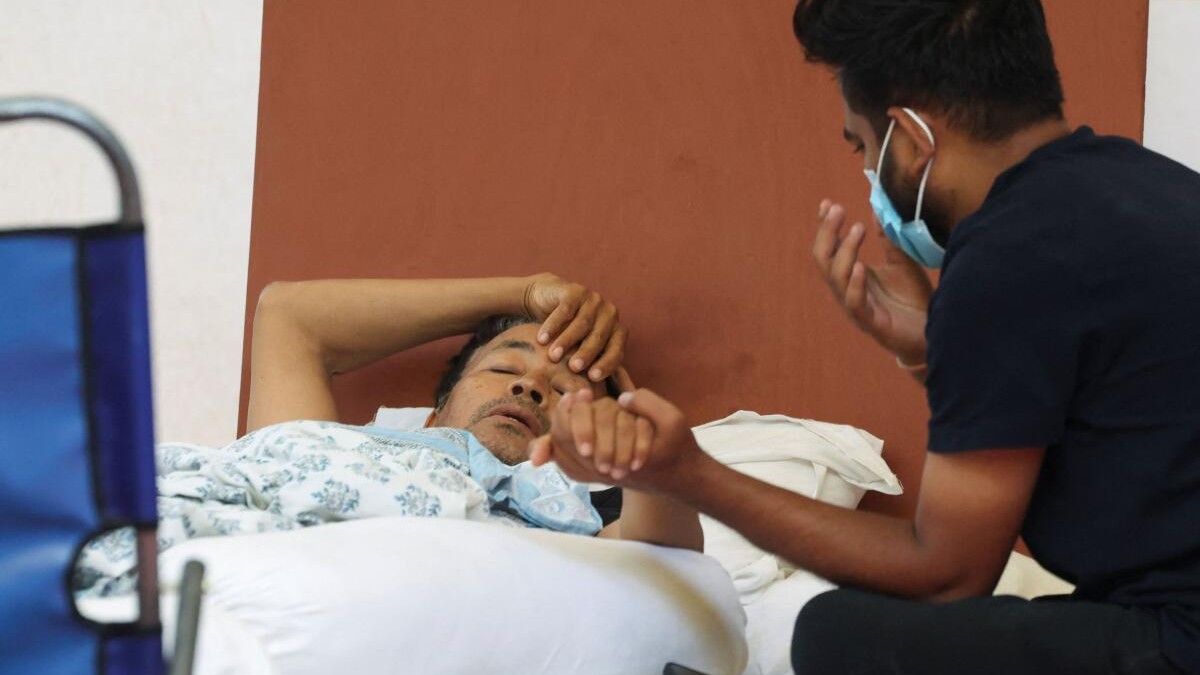
Police Register FIRs Over Protest-Related Violence
The Delhi Police has also registered a first information report against unidentified individuals following incidents of alleged vandalism and stone-pelting during the protest.
According to police officials, a group of protesters allegedly damaged police vehicles and threw stones at a police team near Regal Cinema in Connaught Place. Authorities have initiated an investigation into the incident and are examining the circumstances surrounding the violence.
Police have also registered cases under several provisions of the Bharatiya Nyaya Sanhita in connection with incidents reported during the demonstrations. The allegations include rioting, violence, damage to public property, obstruction of government officials in the discharge of their duties and the alleged snatching of police equipment, including jackets and helmets.
The police investigation is continuing, with authorities working to identify those allegedly involved in the incidents.
Health Concerns Add to Pressure Surrounding the Agitation
Wangchuk’s deteriorating health has emerged as one of the central concerns surrounding the ongoing protest. Although doctors have described his vital parameters as stable, the combination of low blood sugar, low potassium, dehydration, blood-count abnormalities and the physical stress associated with prolonged fasting has prompted continued medical supervision.
The hospital’s warning highlights the potential risks associated with continuing a hunger strike for an extended period. Medical experts generally closely monitor patients undergoing prolonged fasting because changes in blood sugar, electrolyte balance, hydration and blood-cell counts can create complications that may require immediate intervention.
For now, doctors are continuing to assess Wangchuk through regular clinical examinations and laboratory tests. His refusal of intravenous fluids and glucose has also become an important factor in his treatment, as the medical team attempts to balance his stated decision to continue the fast with the need to protect his health.
The situation remains closely watched as the protest continues and authorities deal with the legal and security issues arising from the recent demonstrations. Wangchuk’s health, meanwhile, remains a key concern, with doctors emphasising the need for continuous monitoring and timely medical intervention should his condition worsen.