
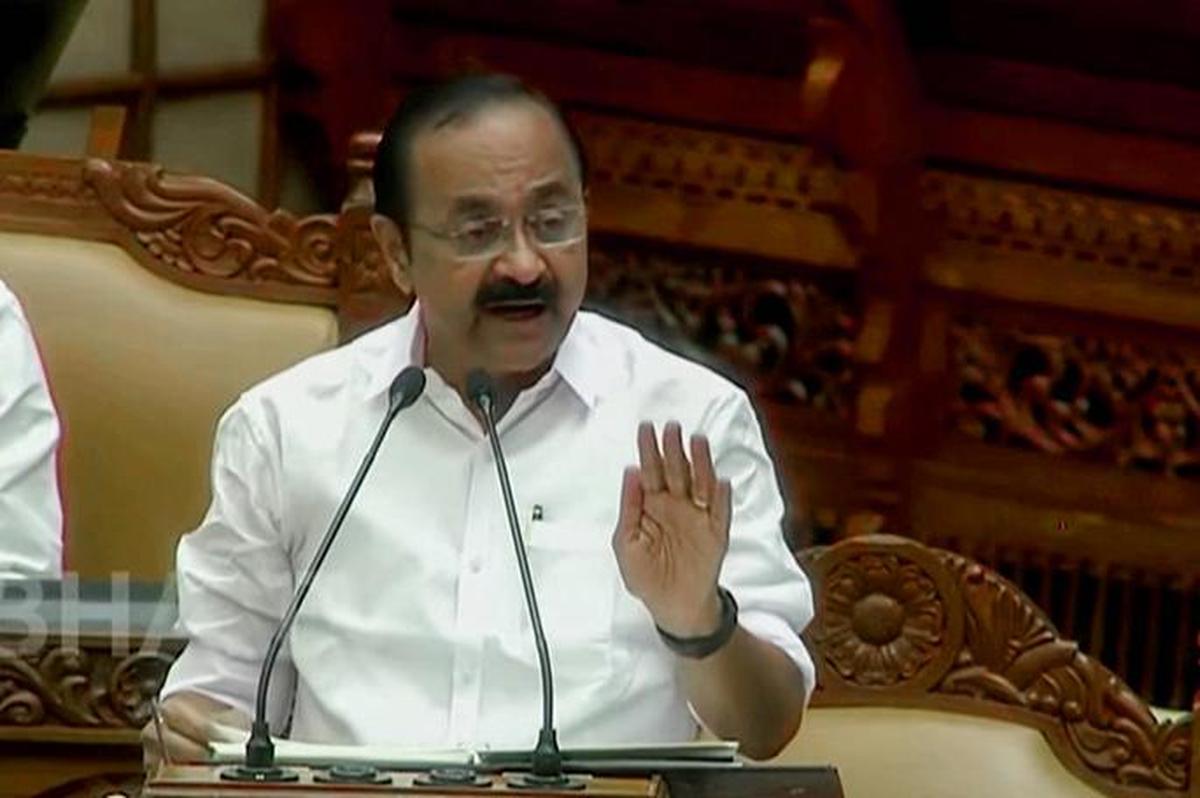
The proposed high-speed rail corridor in Kerala has sparked a fresh political debate after Leader of the Opposition V D Satheesan questioned the lack of clarity surrounding the ambitious infrastructure project. While acknowledging the importance of improving transportation facilities in the state, the Opposition has expressed serious concerns over the absence of comprehensive project details and has urged the government to provide complete transparency before moving forward.
Satheesan stated that any project of such magnitude must be supported by detailed technical, financial, and environmental information. According to him, the government should ensure that citizens are fully informed about the project’s objectives, estimated costs, implementation strategy, and potential impact before any major decisions are taken.
Demand for Complete Project Details
Addressing the issue, Satheesan said that the proposal currently lacks sufficient information for meaningful public discussion. He argued that merely announcing a high-speed rail project without presenting a detailed blueprint creates uncertainty among the public, particularly among communities that may be directly affected.
The Opposition has called on the state government to release a comprehensive project report that clearly outlines:
- The proposed route and alignment.
- Estimated construction costs.
- Sources of funding.
- Timeline for implementation.
- Environmental impact assessments.
- Rehabilitation and compensation plans for affected residents.
- Expected economic and transportation benefits.
According to Satheesan, people deserve complete information before land acquisition or other preliminary steps begin.
Concerns Over Land Acquisition
One of the major concerns raised by the Opposition relates to land acquisition. Large-scale infrastructure projects often require significant stretches of land, affecting residential areas, agricultural fields, and commercial establishments.
Satheesan stressed that the government must clarify how much land would be required and explain the rehabilitation measures planned for families who could be displaced. He emphasized that development should not come at the expense of people’s livelihoods without adequate consultation and fair compensation.
The Opposition leader said transparency in land acquisition policies would help reduce uncertainty and prevent unnecessary public anxiety.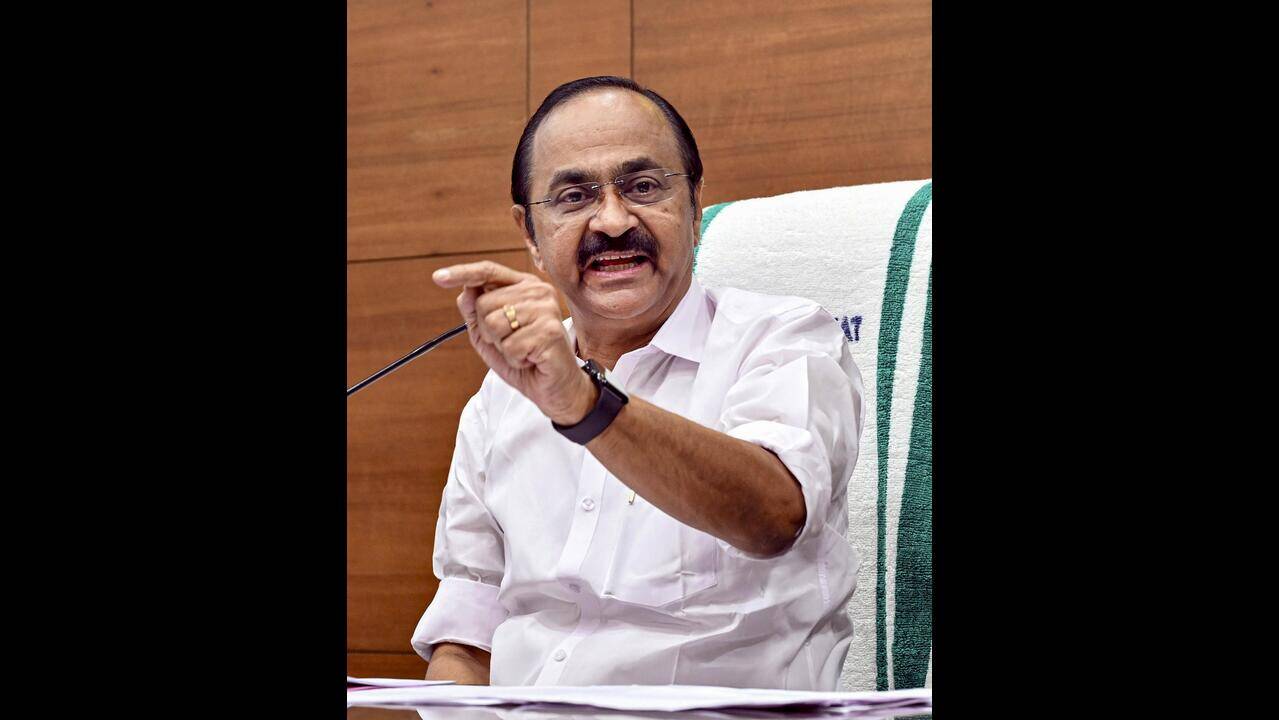
Financial Viability Under Scrutiny
Another key issue highlighted by the Opposition is the financial feasibility of the proposed rail corridor.
Satheesan questioned whether the government had presented a realistic financial model for the project. He sought clarity on funding arrangements, including whether the project would rely on state resources, central assistance, loans, or public-private partnerships.
He also stressed the importance of evaluating the long-term financial burden on the state before committing to such a large infrastructure investment.
According to the Opposition, citizens have the right to know how public funds would be utilized and whether the project would deliver value for money.
Importance of Public Consultation
Satheesan underlined the need for extensive public consultation before advancing the project.
He argued that residents, experts, environmental groups, and local representatives should be given opportunities to express their views. Such consultations, he said, would help identify potential challenges and improve the project’s overall planning.
The Opposition believes that transparent engagement with stakeholders can strengthen public confidence and ensure that infrastructure development proceeds with broader public support.
Government’s Development Vision
The proposed high-speed rail corridor is part of broader efforts to modernize transportation infrastructure and improve connectivity across Kerala.
Supporters of the project argue that faster rail services could significantly reduce travel time between major cities, promote economic growth, attract investment, and improve passenger convenience. Enhanced connectivity could also strengthen regional development by making travel more efficient for businesses, workers, and tourists.
However, the Opposition maintains that while infrastructure development is necessary, every major project should undergo rigorous evaluation to ensure it is economically sustainable, environmentally responsible, and socially inclusive.
Balancing Development and Accountability
The ongoing debate reflects the broader challenge of balancing ambitious infrastructure development with public accountability. Large transportation projects have the potential to transform regional economies, but they also require careful planning, transparent governance, and public trust.
Satheesan reiterated that the Opposition is not opposed to development but insists that projects of this scale must be backed by clear documentation, expert assessment, and open communication with the public.
He said that transparency at every stage—from planning and financing to execution and rehabilitation—would help build confidence among citizens while ensuring that the project serves the state’s long-term interests.
As discussions continue, the proposed high-speed rail corridor is expected to remain an important topic in Kerala’s political and developmental landscape, with stakeholders seeking greater clarity on how the project will be implemented and how its potential benefits and challenges will be addressed.