
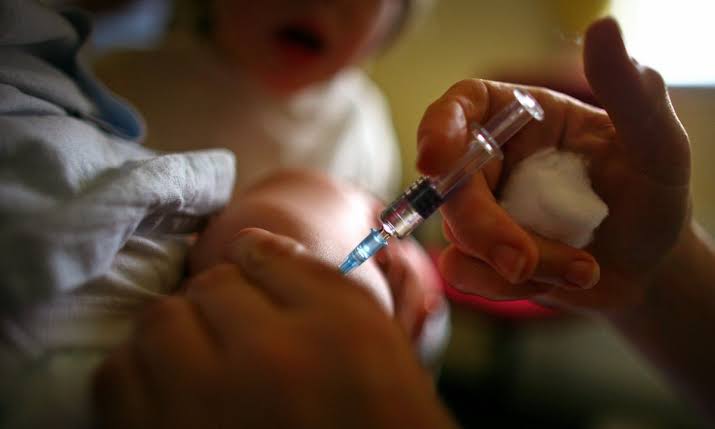
India recorded an estimated 6.79 lakh “zero-dose” children in 2025—children who did not receive even the first dose of a routine vaccine during their first year of life—according to a new global health assessment. While the country has continued to make progress in expanding immunisation coverage, the findings underline the need to reach children living in underserved and vulnerable communities who remain outside the healthcare system.
The report presents a mixed picture of India’s immunisation programme. On one hand, vaccination coverage has improved over recent years, reflecting sustained efforts by health authorities. On the other, hundreds of thousands of children continue to miss life-saving vaccines, leaving them vulnerable to preventable diseases and increasing the risk of outbreaks.
Who Are Zero-Dose Children?
Zero-dose children are infants who have not received even the first dose of the diphtheria, tetanus, and pertussis (DTP1) vaccine during their first year of life. This indicator is widely used to identify children who have little or no contact with routine health services.
Health experts consider zero-dose children among the most vulnerable because they often belong to communities facing multiple barriers, including poverty, geographical isolation, migration, conflict, social exclusion, or limited access to healthcare facilities.
The presence of a significant number of zero-dose children also reflects broader challenges within healthcare delivery systems, particularly in reaching remote and marginalized populations.
India Shows Progress but Challenges Persist
Despite the concerns highlighted in the report, India continues to rank among countries that have made notable improvements in childhood immunisation over the past few years.
Vaccination coverage for routine childhood immunisation has gradually increased following disruptions caused during the COVID-19 pandemic. Public health campaigns, expanded vaccination drives, and stronger healthcare infrastructure have contributed to restoring immunisation services across much of the country.
However, the report notes that progress has not been uniform. Certain regions continue to face difficulties in ensuring that every eligible child receives vaccines on time.
Health experts emphasize that national averages often conceal disparities at the local level, where children living in hard-to-reach areas remain underserved.
Importance of Routine Childhood Vaccination
Routine immunisation is one of the most effective public health interventions for preventing infectious diseases among children.
Vaccines administered during infancy protect against several serious illnesses, including:
- Diphtheria
- Pertussis (Whooping Cough)
- Tetanus
- Polio
- Measles
- Hepatitis B
- Tuberculosis
- Rotavirus infections
Children who miss these vaccinations face a significantly higher risk of severe illness, disability, and death from diseases that are largely preventable through immunisation.
High vaccination coverage also creates community protection by reducing the likelihood of disease outbreaks. 
Factors Contributing to Zero-Dose Children
Public health specialists identify several reasons why some children remain unvaccinated despite nationwide immunisation programmes.
Common challenges include:
- Limited healthcare access in remote or tribal regions.
- Migrant families missing routine vaccination schedules.
- Urban slum populations with inconsistent healthcare services.
- Lack of awareness about vaccination schedules.
- Socio-economic inequalities.
- Healthcare workforce shortages in difficult areas.
- Temporary disruptions caused by natural disasters or public health emergencies.
Experts stress that addressing these issues requires targeted interventions rather than broad national strategies alone.
Government Efforts to Improve Coverage
India has implemented multiple initiatives under its Universal Immunisation Programme to increase vaccine coverage across the country.
Special campaigns have focused on identifying children who missed scheduled vaccinations and ensuring they receive the required doses through catch-up immunisation drives.
Health workers, Accredited Social Health Activists (ASHAs), Auxiliary Nurse Midwives (ANMs), and Anganwadi workers continue to play a critical role in tracking beneficiaries, conducting community outreach, and encouraging families to complete vaccination schedules.
Digital monitoring systems and improved vaccine supply chains have also strengthened programme implementation in recent years.
Global Concern Over Missed Vaccinations
The report notes that zero-dose children remain a global public health concern rather than an issue affecting only one country.
Many low- and middle-income nations continue to face challenges in achieving universal immunisation coverage due to healthcare access inequalities, economic constraints, conflict, displacement, and fragile health systems.
International health agencies have repeatedly emphasized that reaching zero-dose children is essential to achieving global immunisation goals and preventing the resurgence of vaccine-preventable diseases.
Need for Targeted Public Health Strategies
Experts believe that reducing the number of zero-dose children requires more localized planning and stronger community engagement.
Strategies such as mobile vaccination teams, improved tracking of migrant populations, awareness campaigns, partnerships with community leaders, and strengthened primary healthcare services can help identify children who are currently being missed.
Regular monitoring, better data collection, and timely follow-up are also considered essential to ensure every child receives routine vaccines during the first year of life.
Looking Ahead
India’s continued improvement in overall vaccination coverage demonstrates the effectiveness of sustained public health investment and large-scale immunisation programmes. However, the presence of 6.79 lakh zero-dose children in 2025 highlights that significant work remains to achieve universal vaccine access.
Public health experts stress that ensuring every child receives routine vaccinations is not only vital for individual health but also critical for preventing disease outbreaks and strengthening the country’s long-term public health resilience. By focusing on underserved communities and improving healthcare accessibility, India can further reduce the number of unvaccinated children and move closer to its goal of universal immunisation coverage.