
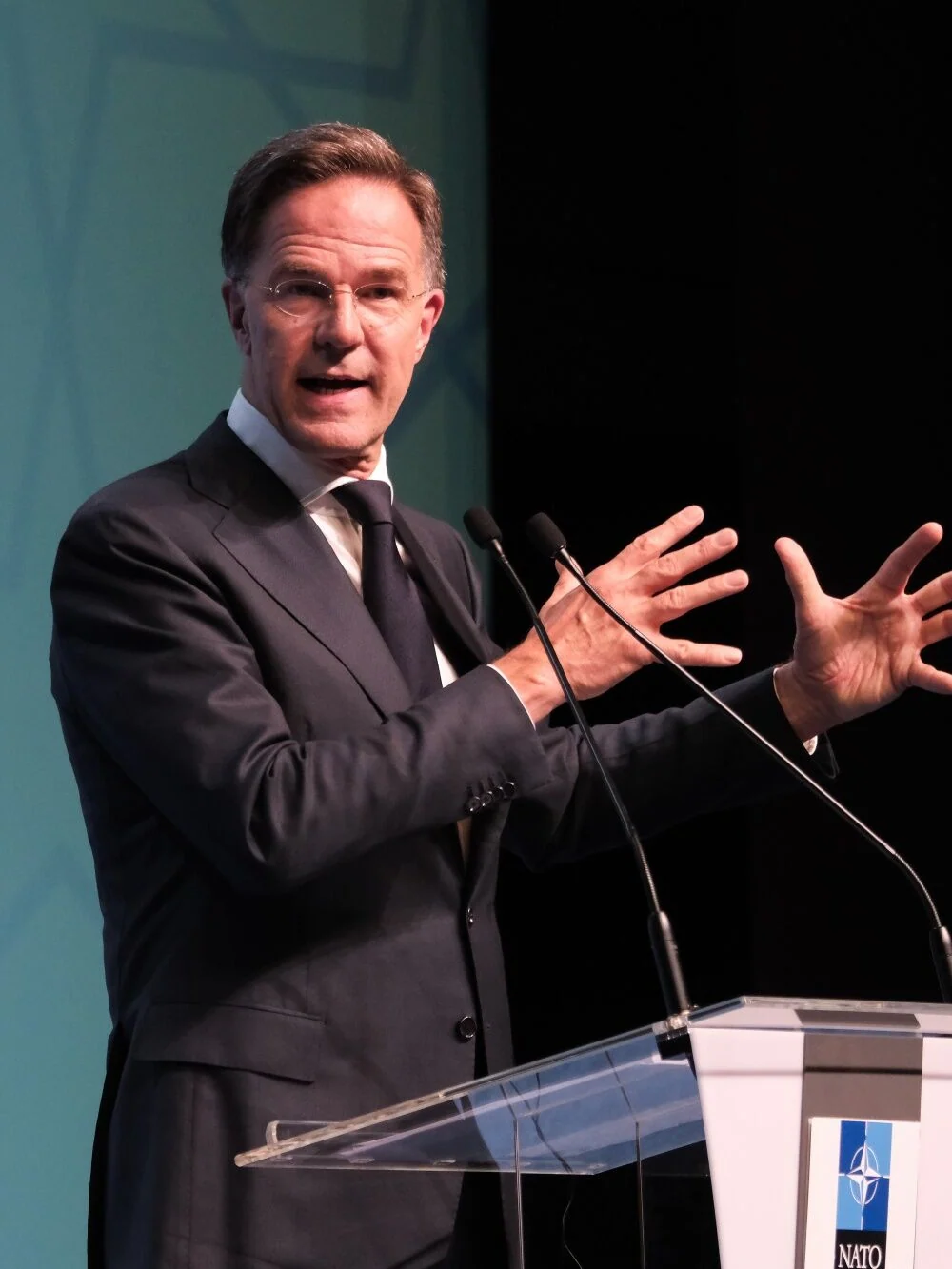
Fresh questions have emerged over the cohesion of the North Atlantic Treaty Organization (NATO) after former U.S. President Donald Trump once again reiterated his interest in acquiring Greenland while also publicly criticizing Spain over its defence spending commitments. The remarks have triggered renewed scrutiny of NATO Secretary General Mark Rutte, with critics questioning whether the alliance’s leadership is responding strongly enough to controversial statements from one of its most influential members.
Trump’s comments came during discussions surrounding NATO’s future priorities, defence commitments, and transatlantic security. His remarks have reignited debate about the balance of power within the alliance and the challenges facing NATO as it attempts to maintain unity amid growing geopolitical tensions.
Trump Reopens Greenland Debate
Donald Trump revived a proposal that first gained international attention during his presidency by again expressing interest in Greenland. The vast Arctic island, an autonomous territory within the Kingdom of Denmark, occupies a strategically significant location between North America and Europe. Its importance has increased in recent years because of expanding Arctic shipping routes, natural resources, and military considerations.
Trump argued that Greenland holds considerable strategic value for the United States, describing it as an important asset in safeguarding national security interests. He suggested that acquiring the territory would strengthen America’s presence in the Arctic, a region that has become increasingly significant due to growing competition among major global powers.
The proposal, however, has consistently faced firm rejection from both Greenland’s government and Danish authorities. Officials have repeatedly maintained that Greenland is not for sale and that its future rests solely with its people.
Criticism of Spain’s Defence Spending
In addition to his comments on Greenland, Trump directed criticism toward Spain regarding its military expenditure within NATO. He argued that alliance members should contribute more substantially toward collective defence and suggested that countries failing to meet agreed spending targets place additional burdens on other members.
Trump has long maintained that NATO nations should fulfil defence spending commitments and has frequently argued that the United States shoulders a disproportionate share of the alliance’s security responsibilities. His latest remarks once again placed Spain at the centre of that debate.
Spain has acknowledged the importance of strengthening defence capabilities while balancing domestic economic priorities. Like several NATO members, the country has outlined plans to gradually increase defence investments, although discussions continue regarding the pace and scale of those commitments.
Questions Directed at NATO Leadership
Trump’s remarks also drew attention to NATO Secretary General Mark Rutte, who recently assumed leadership of the alliance after serving as Prime Minister of the Netherlands. Some political observers and critics questioned whether Rutte had responded firmly enough to Trump’s controversial statements, particularly regarding Greenland and defence policy.
The criticism centred on whether NATO leadership should publicly challenge remarks that could create tensions among member states or instead focus on preserving unity through diplomatic engagement. The debate reflects the complex role played by the Secretary General, whose responsibilities include maintaining consensus among countries with differing political priorities and national interests.
Supporters of Rutte argue that diplomacy often requires measured responses rather than public confrontation. They contend that maintaining open communication among allies is essential for preserving NATO’s effectiveness during periods of political disagreement.
Greenland’s Strategic Importance
Interest in Greenland has grown steadily over the past decade because of its expanding geopolitical significance. The Arctic region has become increasingly important as melting sea ice creates new maritime routes while exposing valuable deposits of rare earth minerals and other natural resources.
The island is also home to strategically important military infrastructure, including facilities that support missile warning systems and broader Arctic security operations. As global competition intensifies in the Arctic, several nations have increased their diplomatic, scientific, and military engagement in the region.
These factors have contributed to repeated international discussions about Greenland’s role in future security planning, even as its government continues to affirm its autonomy and reject any proposal involving a transfer of sovereignty.
NATO Faces Continuing Challenges
The latest controversy comes at a time when NATO is navigating multiple strategic challenges, including the ongoing conflict in Eastern Europe, evolving cyber threats, defence modernization, and increasing competition among major global powers.
Alliance leaders have consistently emphasized the importance of burden-sharing, encouraging all member nations to strengthen military capabilities while reinforcing collective security. Although many countries have increased defence budgets in recent years, differences remain over spending levels, resource allocation, and long-term strategic priorities.
Trump’s latest remarks have once again highlighted longstanding debates about burden-sharing within NATO and the extent to which individual member states should contribute to collective defence efforts.
Diplomatic Implications
Political analysts believe the renewed discussion surrounding Greenland and defence spending could influence future diplomatic engagements between the United States and its European allies. While NATO remains committed to collective security under Article 5 of its founding treaty, public disagreements among prominent political figures continue to attract international attention.
The controversy also underscores the delicate balance NATO leadership must maintain between respecting the positions of individual member states and preserving alliance unity. As geopolitical competition intensifies across Europe and the Arctic, maintaining cohesion among allies is expected to remain one of NATO’s most significant challenges.
For now, Greenland remains firmly under Danish sovereignty, while NATO continues to focus on strengthening collective defence and adapting to an increasingly complex global security environment. Trump’s latest comments, however, have once again brought longstanding geopolitical debates back into the international spotlight, raising fresh questions about the future direction of transatlantic relations and alliance leadership.