
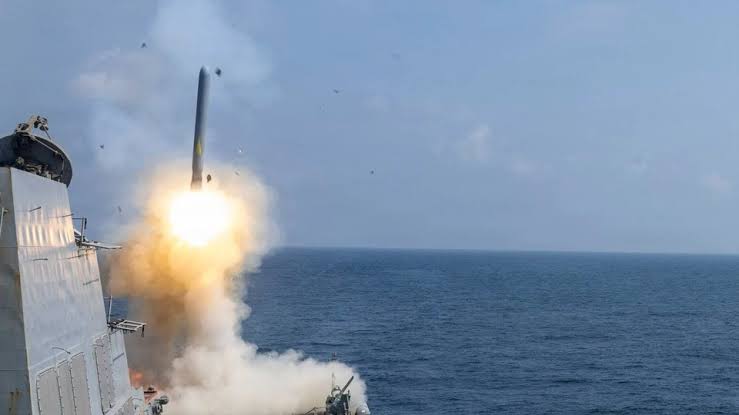
The United States has approved the sale of Tomahawk cruise missiles to Germany, marking a significant milestone in defence cooperation between the two NATO allies. German Chancellor Friedrich Merz confirmed the approval, describing it as an important step toward strengthening Germany’s military capabilities and enhancing the alliance’s collective deterrence strategy amid an increasingly challenging global security environment.
The decision reflects the growing emphasis among NATO members on expanding long-range precision strike capabilities as Europe continues to adapt to evolving security threats. The acquisition is expected to modernize Germany’s armed forces and improve interoperability with allied military systems.
Major Boost to Germany’s Defence Modernisation
The approval comes as Germany accelerates efforts to modernize its military following a broader shift in national defence policy. In recent years, Berlin has significantly increased defence spending and launched several procurement programmes aimed at rebuilding military readiness after decades of limited investment.
The addition of Tomahawk cruise missiles is expected to provide Germany with advanced long-range strike capabilities capable of engaging strategic targets from considerable distances while maintaining high levels of precision. Military analysts view the move as an important enhancement to Germany’s defence posture within NATO.
Officials believe that strengthening such capabilities will contribute to improved deterrence and collective security across Europe.
What Are Tomahawk Missiles?
The Tomahawk is one of the world’s most advanced long-range cruise missile systems. Designed for precision strikes against land-based targets, the missile can travel hundreds of kilometres while flying at low altitudes to reduce detection.
The weapon system has been used extensively by the United States in multiple military operations over several decades due to its accuracy, reliability, and ability to strike high-value targets with minimal collateral damage.
Modern versions incorporate advanced navigation technologies, allowing them to adapt to changing battlefield conditions and accurately reach designated targets. 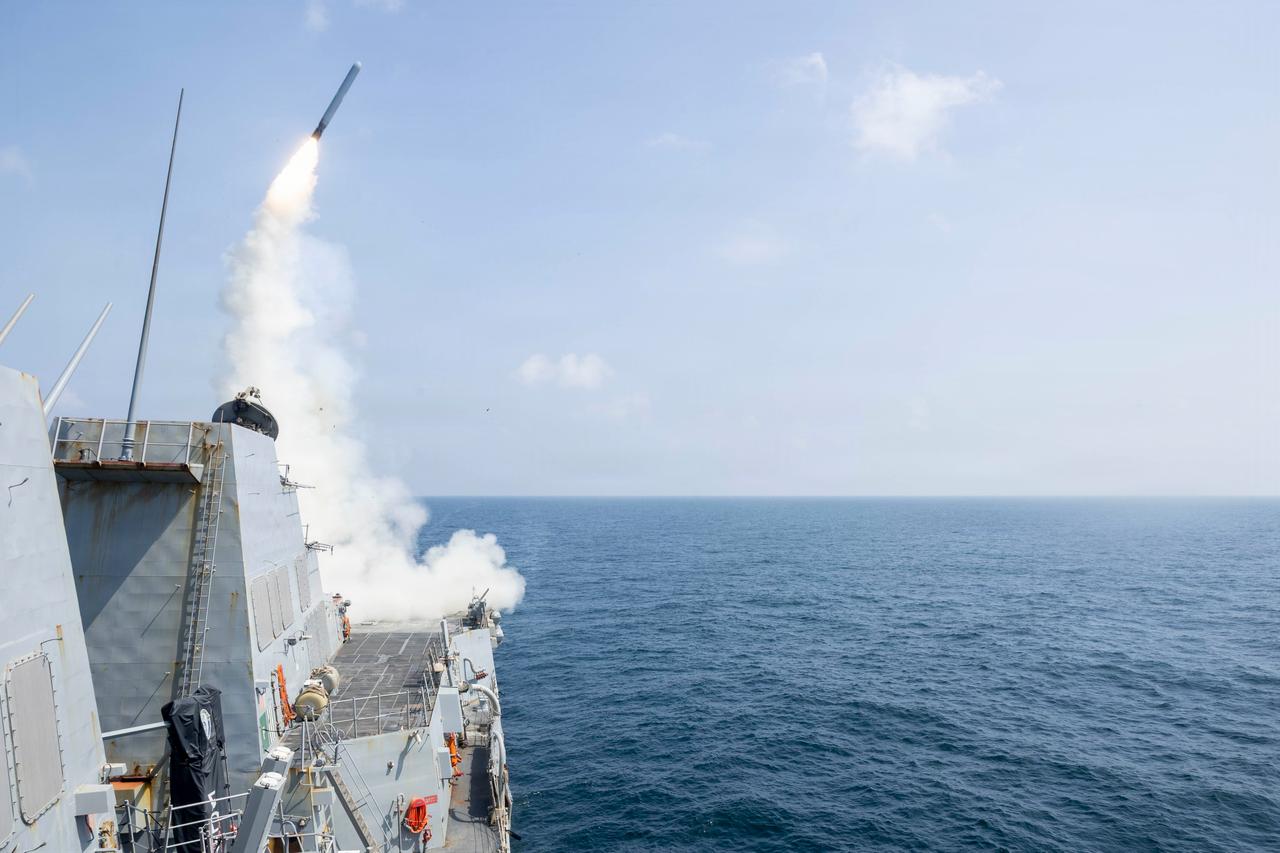
Strengthening NATO’s Collective Defence
Germany’s acquisition aligns with NATO’s broader objective of enhancing the alliance’s conventional deterrence capabilities. Since Russia’s invasion of Ukraine, European member states have accelerated investments in advanced military technologies, long-range weapons, air defence systems, and missile capabilities.
The missile purchase is expected to improve Germany’s contribution to NATO operations by providing greater operational flexibility and reinforcing allied defence planning.
Security experts note that increased long-range strike capability also improves strategic deterrence by providing member states with additional options to respond to potential threats.
Chancellor Merz Highlights Strategic Importance
Speaking about the approval, Chancellor Friedrich Merz welcomed the decision, describing it as a crucial development for Germany’s national security and its responsibilities within NATO.
According to Merz, strengthening defence capabilities remains a priority as Europe faces an increasingly unpredictable security environment. He emphasized that close cooperation with the United States continues to play a vital role in ensuring regional stability and maintaining a credible deterrence posture.
The German government has repeatedly stated that modern defence investments are necessary to address emerging military challenges while fulfilling commitments made to NATO allies.
Growing Defence Cooperation Between Washington and Berlin
The approval also underscores the continuing strategic partnership between the United States and Germany. Defence cooperation between the two countries has expanded considerably in recent years through joint military exercises, intelligence sharing, technological collaboration, and equipment procurement.
The latest agreement demonstrates Washington’s continued support for strengthening European defence capabilities while encouraging allies to assume greater responsibility for regional security.
Officials believe closer military cooperation will further improve interoperability between allied forces during joint operations and crisis response missions.
Broader European Security Context
The missile sale takes place against the backdrop of heightened geopolitical tensions and increasing defence preparedness across Europe. Several NATO countries have announced new investments in advanced missile systems, air defence networks, and next-generation military technologies to address evolving security risks.
Germany has emerged as one of the leading contributors to Europe’s defence modernisation efforts, introducing reforms designed to improve military readiness, upgrade equipment, and expand operational capabilities.
The acquisition of Tomahawk missiles forms part of these wider efforts to ensure that Germany remains capable of responding effectively to future security challenges while supporting NATO’s collective defence objectives.
Strategic Implications
Defence analysts believe the approval sends a strong signal about the continued commitment of the United States and its European allies to maintaining military readiness. By equipping Germany with advanced long-range strike capabilities, NATO enhances its ability to deter potential aggression and strengthen regional stability.
The agreement also reflects the alliance’s broader focus on modern warfare, where precision-guided weapons, integrated defence systems, and rapid-response capabilities are becoming increasingly central to military planning.
As Europe continues adapting to an evolving security landscape, investments in advanced defence technologies are expected to remain a key priority for NATO member states seeking to reinforce collective security and safeguard regional peace.