
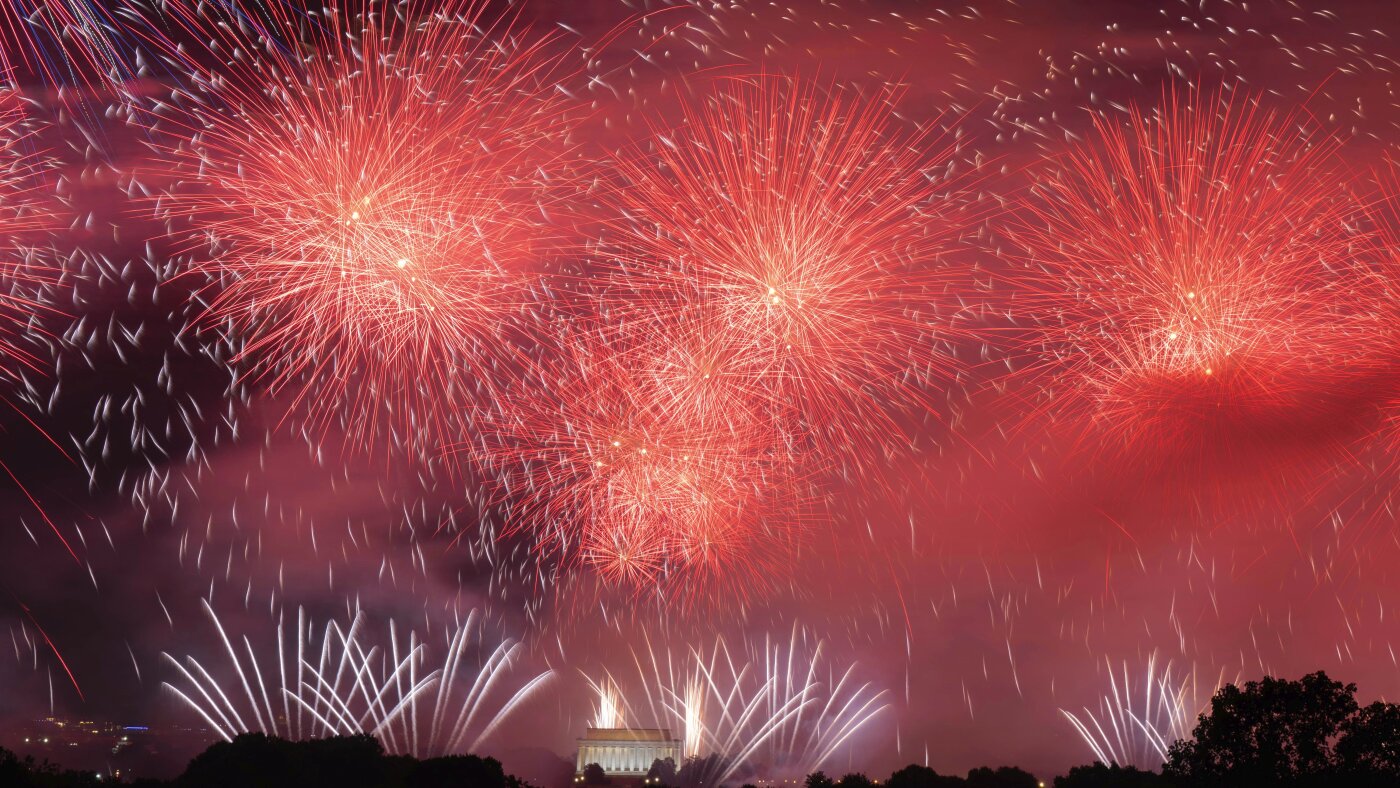
The United States capital experienced an extraordinary surge in air pollution following the country’s Independence Day celebrations, briefly becoming the most polluted city in the world as fireworks filled the skies with smoke and fine particulate matter. The dramatic increase in pollution levels has reignited discussions about the environmental and health impacts of large-scale fireworks displays during national celebrations.
According to air quality monitoring data, pollution levels in Washington rose rapidly shortly after extensive fireworks illuminated the city’s skyline on the evening of July 4. The sudden concentration of smoke significantly reduced air quality, pushing the city to the top of global pollution rankings for a short period before conditions gradually improved as winds dispersed the pollutants.
PM2.5 Levels Reached Hazardous Levels
The most concerning aspect of the pollution spike was the sharp rise in PM2.5 concentrations. PM2.5 refers to microscopic particulate matter measuring less than 2.5 micrometres in diameter. These tiny particles are capable of penetrating deep into the lungs and entering the bloodstream, making them particularly dangerous to human health.
Environmental monitoring stations recorded PM2.5 levels far above internationally accepted safety standards. Air quality experts explained that such pollution episodes are common after large fireworks displays but rarely reach the intensity witnessed in Washington during this year’s Independence Day celebrations.
Health authorities generally classify such conditions as unhealthy, particularly for children, older adults, pregnant women, and individuals suffering from asthma, chronic respiratory illnesses, or cardiovascular diseases. Even healthy individuals may experience irritation of the eyes, nose, throat, or temporary breathing discomfort when exposed to elevated PM2.5 concentrations.
Fireworks Produce Significant Airborne Pollutants
Fireworks are widely associated with festive occasions, but they also release substantial amounts of pollutants into the atmosphere. During combustion, fireworks emit fine particulate matter, sulphur compounds, nitrogen oxides, carbon monoxide, and traces of heavy metals that create the brilliant colours visible during displays.
The colourful effects seen in fireworks are produced using metallic compounds such as strontium, barium, copper, and aluminium. While these elements contribute to visual spectacles, they also become airborne after explosions, temporarily degrading air quality.
Meteorological conditions can further intensify pollution. Calm winds and stable atmospheric conditions often trap smoke close to the ground, preventing pollutants from dispersing quickly. Such weather patterns can cause pollution levels to rise dramatically within a short period.
Temporary Pollution Spike Raises Public Health Concerns
Although pollution caused by fireworks usually lasts only several hours, experts note that even short-term exposure can affect vulnerable groups. People with respiratory disorders may experience worsening symptoms, while hospitals occasionally report increased emergency visits related to breathing problems following major fireworks events.
Medical professionals often advise residents to remain indoors, keep windows closed, use air purifiers where available, and reduce outdoor physical activity when air quality deteriorates significantly. Wearing properly fitted high-filtration masks may also reduce exposure when outdoor travel is unavoidable.
Environmental Experts Call for Sustainable Celebrations
The temporary pollution event has once again prompted environmental scientists and public health advocates to question the environmental cost of traditional fireworks displays. Many experts argue that while fireworks remain an important cultural symbol during national celebrations, alternative technologies could significantly reduce pollution.
Several cities around the world have increasingly adopted drone light shows, laser projections, and low-emission fireworks to minimise environmental damage while preserving the festive atmosphere. These alternatives generate far fewer airborne pollutants and reduce noise pollution, making them safer for wildlife, pets, and sensitive individuals.
Supporters of cleaner celebration methods believe technological innovation offers an opportunity to balance tradition with environmental responsibility.
Air Quality Improved Within Hours
Fortunately, Washington’s pollution spike proved temporary. As weather conditions changed and winds dispersed the smoke, air quality steadily improved over the following hours. The city’s position atop global pollution rankings was brief, highlighting the short-lived—but intense—nature of fireworks-related pollution episodes.
Environmental experts, however, caution that recurring spikes during large public celebrations remain a concern. They recommend greater awareness of air quality impacts and encourage authorities to consider cleaner celebration methods that reduce pollution without diminishing public festivities.
The incident serves as a reminder that while fireworks create memorable visual displays, they also carry measurable environmental and public health consequences. As cities continue balancing tradition with sustainability, discussions over cleaner alternatives are expected to become increasingly prominent in future national celebrations.