
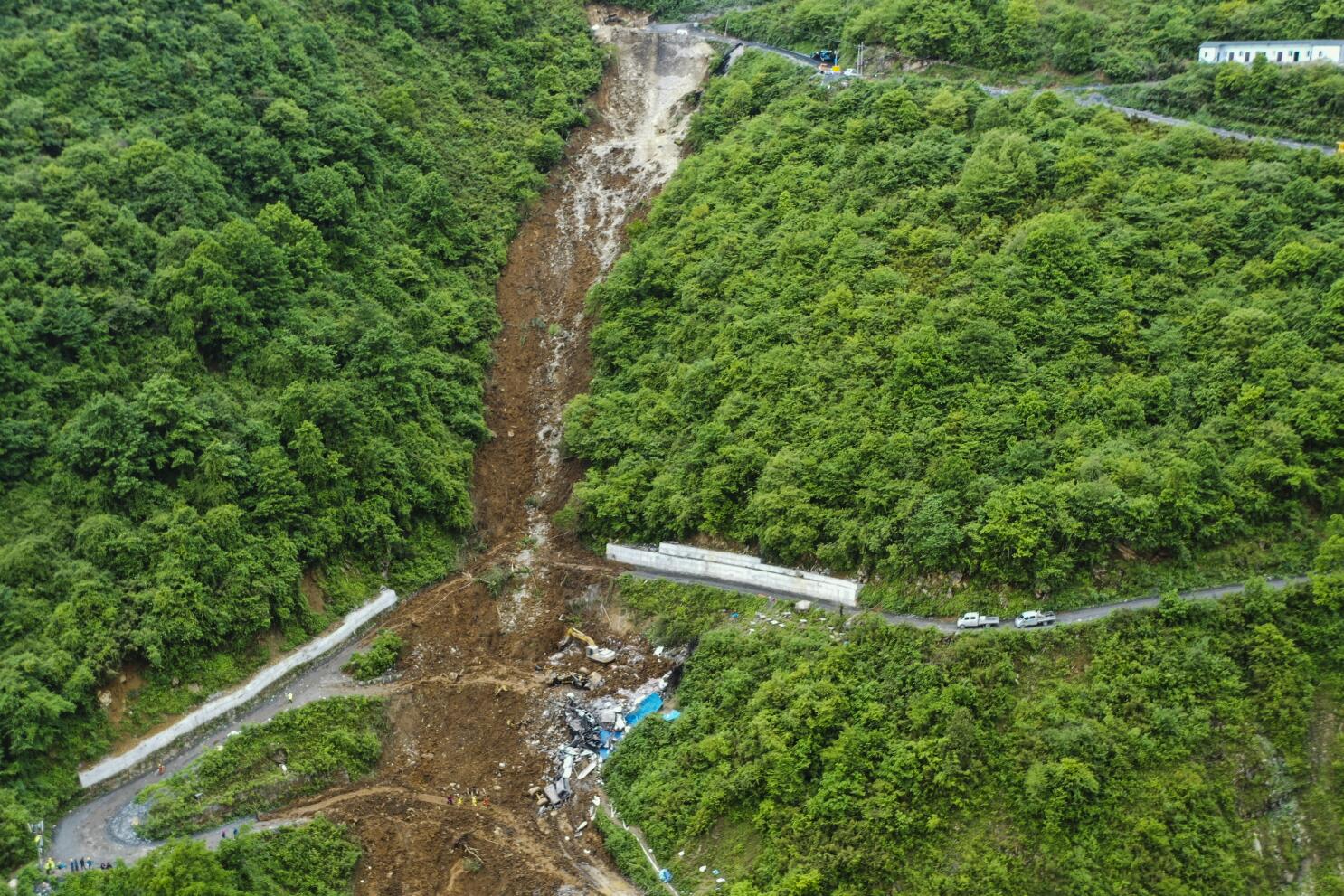
A devastating landslide in northwest China has claimed the lives of 21 forestry workers, marking one of the country’s deadliest natural disasters in recent months. Authorities confirmed that all victims were members of a forestry team working in a remote mountainous area when tons of earth and debris suddenly collapsed, burying them under the landslide.
The tragedy has once again highlighted the growing risks posed by extreme weather events and unstable mountain terrain, particularly in regions where forestry, infrastructure, and conservation workers operate in difficult environmental conditions.
Landslide Struck During Forestry Operations
According to local authorities, the victims were engaged in forestry-related work in a mountainous region when the landslide occurred without warning. The sudden collapse of soil, rocks, and mud overwhelmed the worksite, leaving little opportunity for workers to escape.
Emergency services were immediately dispatched after the incident was reported. Rescue teams, including firefighters, emergency management personnel, medical workers, and heavy machinery operators, rushed to the affected location to search for survivors trapped beneath the debris.
Despite continuous rescue efforts carried out under difficult terrain and unstable conditions, authorities later confirmed that all 21 missing workers had lost their lives.
Massive Rescue Operation Conducted
The rescue mission involved hundreds of personnel working around the clock to recover victims from the landslide site. Heavy excavation equipment, rescue dogs, and specialized search teams were deployed to clear large amounts of mud, rocks, and fallen trees covering the affected area.
Officials stated that rescuers faced significant challenges due to unstable slopes, poor weather conditions, and the risk of additional landslides. Safety measures were implemented throughout the operation to protect rescue workers while recovery efforts continued.
Following the completion of the search, authorities officially confirmed that the bodies of all 21 workers had been recovered. 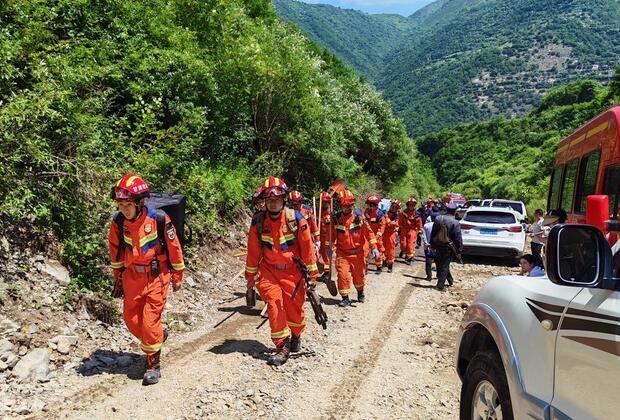
Authorities Launch Investigation
Government officials have initiated an investigation into the cause of the landslide to determine whether geological instability, heavy rainfall, or other environmental factors contributed to the disaster.
Experts are expected to examine soil conditions, rainfall patterns, and the overall stability of the mountain area. Authorities will also review workplace safety measures and emergency preparedness protocols followed during forestry operations.
The findings of the investigation may help strengthen disaster prevention measures for workers operating in high-risk mountainous regions.
Growing Threat of Weather-Related Disasters
China experiences frequent landslides, floods, and other natural disasters, particularly during periods of intense rainfall. Mountainous provinces are especially vulnerable due to steep terrain, loose soil, and changing weather conditions.
Scientists have repeatedly warned that increasingly unpredictable weather patterns can significantly raise the risk of landslides by saturating soil and weakening mountain slopes. Such conditions make forestry operations, construction projects, and transportation routes particularly hazardous.
The latest tragedy serves as another reminder of the importance of continuous geological monitoring, early warning systems, and rapid emergency response in disaster-prone regions.
Focus on Worker Safety
The deaths of the forestry workers have renewed attention on occupational safety in remote and environmentally sensitive areas. Forestry personnel often work in isolated locations where access to emergency assistance is limited and natural hazards can develop rapidly.
Authorities are expected to assess whether additional safety protocols, improved weather monitoring, and enhanced evacuation procedures can reduce future risks for workers engaged in forestry and conservation activities.
Experts believe that stronger coordination between geological monitoring agencies, emergency management departments, and forestry authorities could improve preparedness for similar disasters.
National Response
Officials expressed condolences to the families of the victims and pledged full support for post-disaster relief and compensation procedures. Local governments have also been instructed to strengthen inspections of high-risk mountainous areas and enhance disaster prevention measures to protect workers and nearby communities.
Emergency management agencies are continuing to monitor geological conditions across vulnerable regions to reduce the likelihood of further incidents, particularly during periods of unstable weather.
The tragic loss of 21 forestry workers underscores the continuing challenges posed by natural disasters in mountainous regions and reinforces the need for improved risk assessment, early warning systems, and stronger safety measures to safeguard lives.