
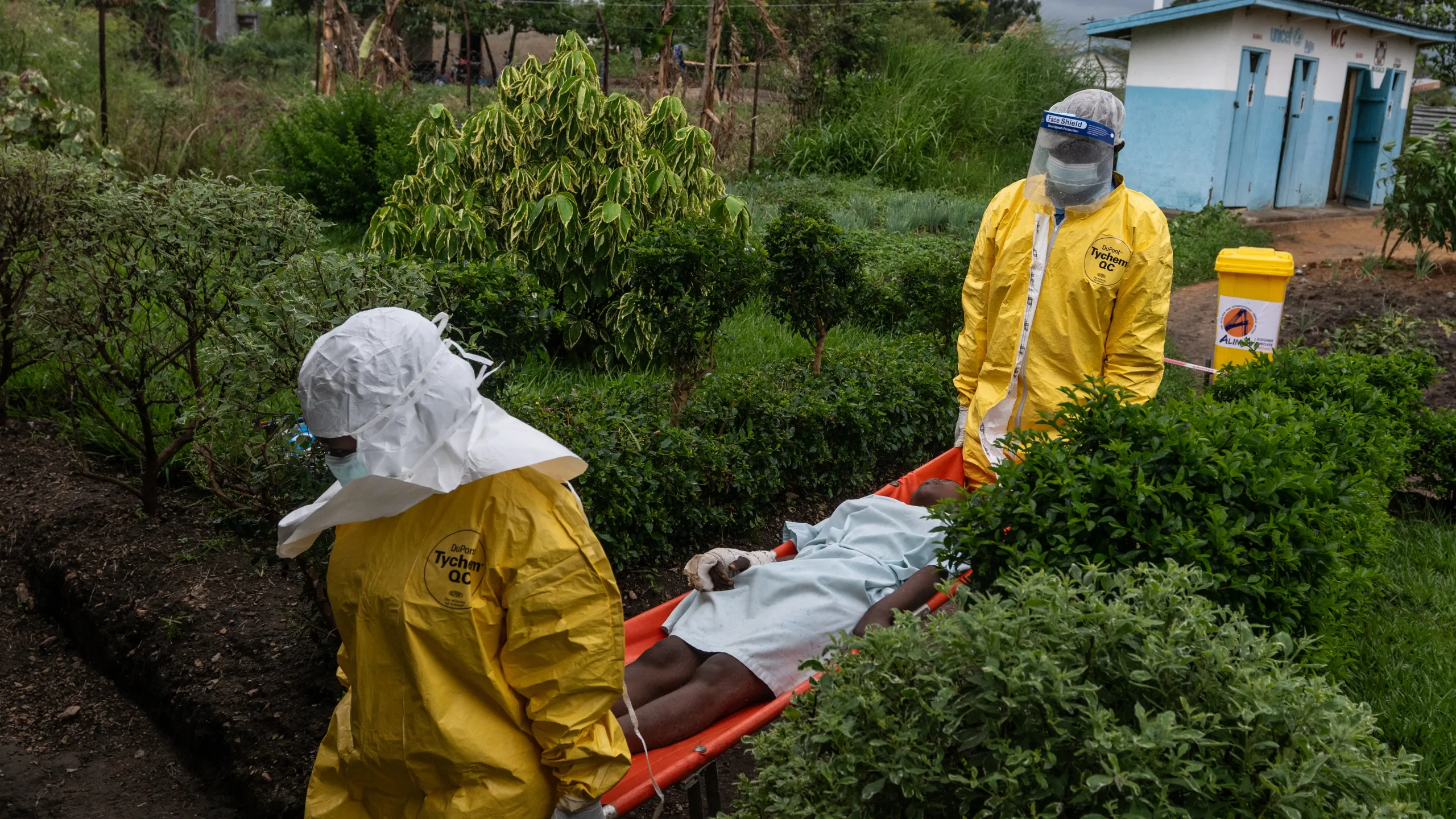
The Democratic Republic of Congo’s ongoing battle against Ebola has suffered a major setback after a section of frontline health workers involved in the outbreak response launched a strike over delayed salary payments. The industrial action comes at a critical stage of the epidemic, with the number of deaths nearing 600 and concerns growing that disruptions to medical services could weaken efforts to contain the deadly virus.
The strike has affected several healthcare workers responsible for surveillance, patient care, contact tracing, laboratory operations, and community awareness programmes. Many of the workers have reportedly complained that they have not received their salaries for several months despite continuing to work under extremely challenging and high-risk conditions.
Healthcare personnel participating in the response have said that while they remain committed to protecting communities from the deadly disease, they can no longer continue working without receiving their promised wages. The delayed payments have caused financial hardship for many workers, leading to growing frustration and eventually prompting the strike.
The Ebola outbreak has already claimed nearly 600 lives, making it one of the country’s most serious public health emergencies in recent years. Health authorities continue to monitor new infections while attempting to prevent further transmission through rapid testing, treatment, vaccination campaigns, and contact tracing.
Experts warn that any interruption in outbreak response activities could significantly increase the risk of further spread. Ebola control depends heavily on the continuous work of trained medical teams who identify suspected cases, isolate infected patients, monitor close contacts, and educate communities about preventive measures.
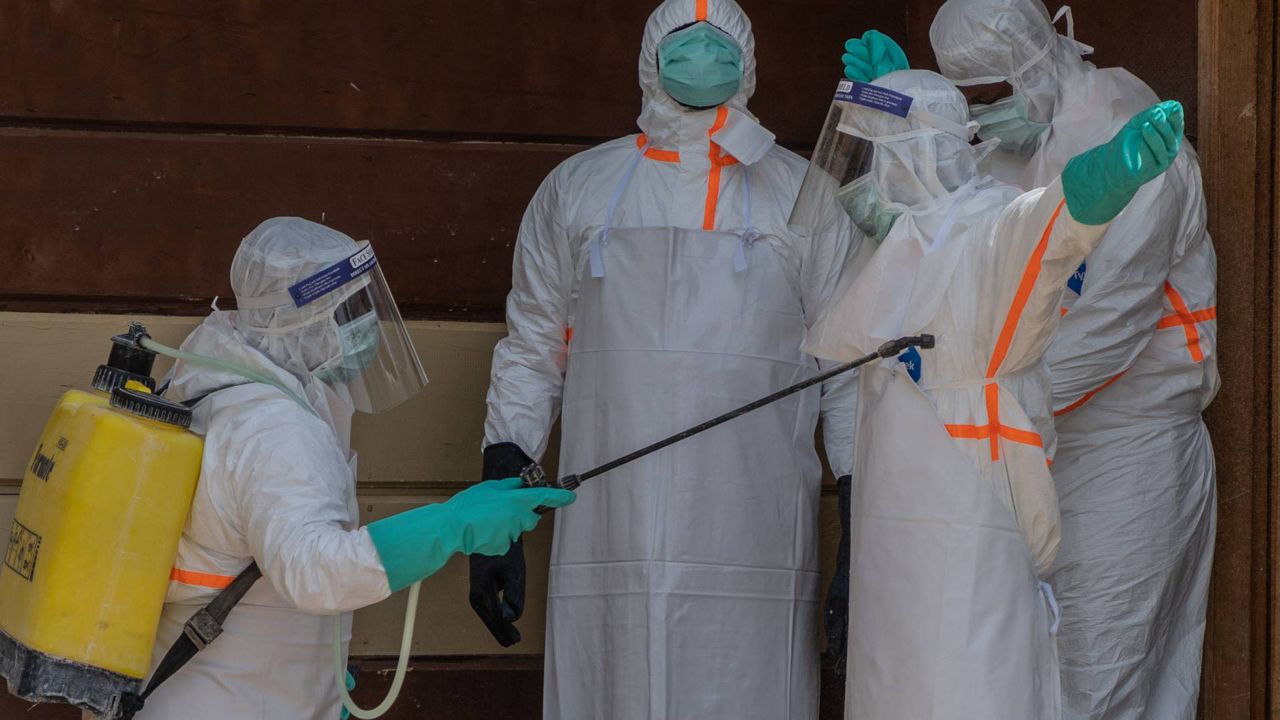
The strike threatens to slow these essential operations at a time when health officials are working to break chains of transmission. Reduced staffing may also affect the speed of laboratory testing and patient treatment, increasing pressure on already stretched healthcare facilities.
Authorities are reportedly engaged in discussions aimed at resolving the salary dispute and restoring full operations. Officials are seeking ways to ensure that healthcare workers receive their outstanding payments while maintaining uninterrupted Ebola response activities.
Public health specialists have stressed that protecting frontline workers is essential to controlling infectious disease outbreaks. Adequate financial support, timely salaries, proper protective equipment, and safe working conditions are considered critical for maintaining an effective emergency response.
Communities in affected regions continue to face the combined challenges of disease outbreaks, limited healthcare infrastructure, and logistical difficulties that complicate emergency operations. Health workers have remained central to efforts to detect infections early, provide treatment, and prevent the virus from spreading into new areas.
International health experts continue to monitor the situation closely, warning that prolonged disruptions could undermine months of progress achieved through surveillance, vaccination, and public health interventions. They have emphasized the importance of resolving labour issues quickly so that response teams can resume full-scale operations.
As negotiations continue, health authorities remain focused on containing the outbreak and preventing additional fatalities. However, unless the concerns of frontline medical workers are addressed promptly, the strike could present a significant obstacle in the country’s ongoing effort to bring the Ebola outbreak under control.