
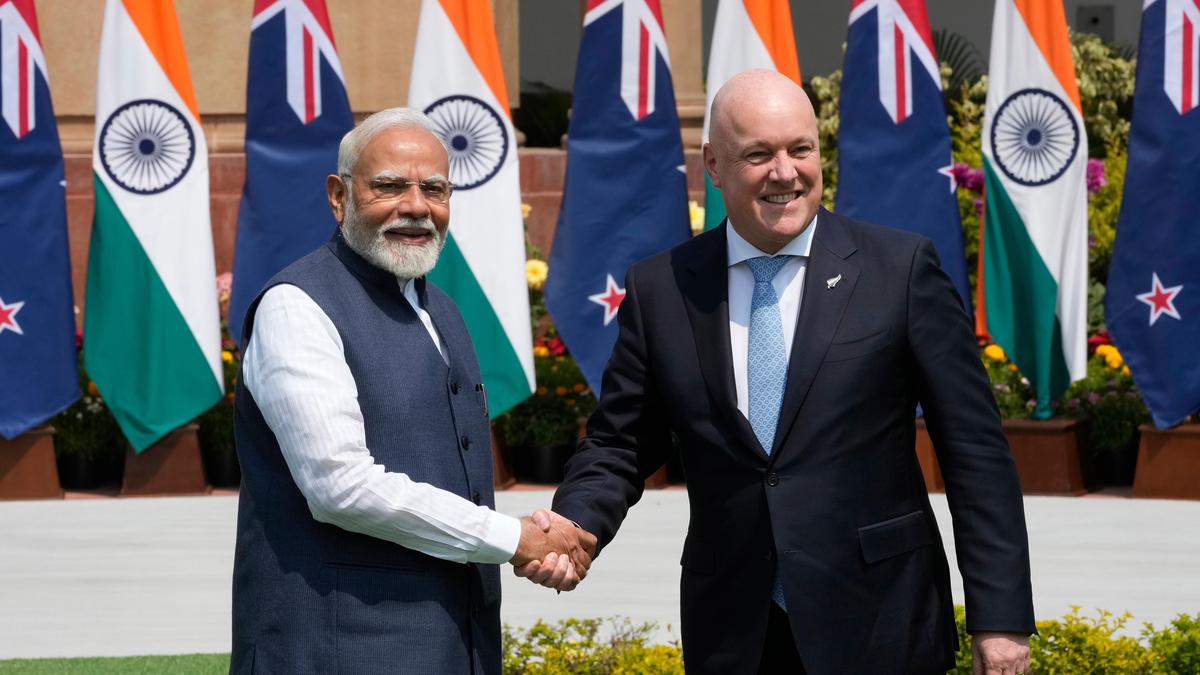
Prime Minister Narendra Modi is set to undertake his first official visit to New Zealand, marking a significant milestone in diplomatic relations between the two nations. The visit is expected to strengthen political, economic, and strategic cooperation while giving fresh momentum to negotiations on a long-awaited Free Trade Agreement (FTA), which has remained one of the most important priorities in bilateral engagement.
The announcement has been welcomed as a major step toward deepening India-New Zealand ties at a time when both countries are seeking stronger economic partnerships and enhanced collaboration across multiple sectors.
A Landmark Visit in Bilateral Relations
The upcoming visit will be the first time Prime Minister Narendra Modi travels to New Zealand in an official capacity since assuming office. Diplomats and policymakers from both countries view the visit as an opportunity to elevate bilateral relations to a new level through comprehensive discussions on trade, investment, education, technology, agriculture, clean energy, and regional security.
The visit reflects the growing importance both governments attach to expanding cooperation in the Indo-Pacific region, where strategic partnerships have gained increasing significance amid changing global geopolitical dynamics.
Officials are expected to hold high-level meetings covering a broad agenda aimed at promoting mutual growth and strengthening long-term cooperation.
Free Trade Agreement Expected to Dominate Discussions
One of the central issues during the visit is expected to be the proposed Free Trade Agreement between India and New Zealand. Negotiations over such an agreement have witnessed several rounds of discussions over the years, but significant progress has remained elusive due to differences over market access, agricultural trade, and tariff structures.
Both countries now appear keen to revive momentum, recognizing the substantial economic opportunities an FTA could create.
A successful agreement would likely reduce trade barriers, facilitate smoother movement of goods and services, encourage greater investment, and provide businesses with improved access to each other’s markets.
Trade experts believe that a comprehensive agreement could significantly expand bilateral commerce while creating new opportunities for exporters, manufacturers, service providers, and investors. 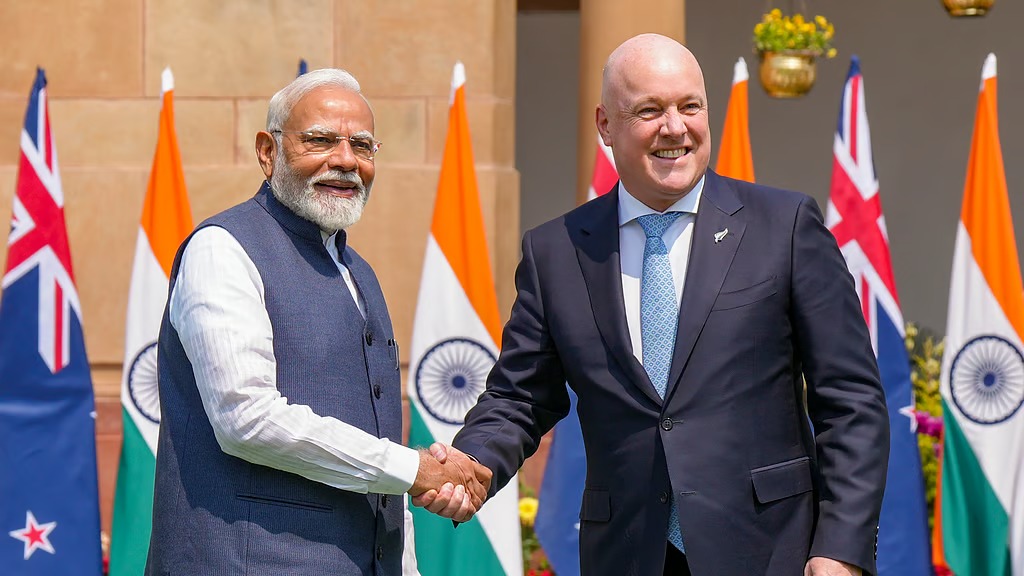
Growing Economic Partnership
India and New Zealand have steadily strengthened their economic relationship in recent years despite relatively modest trade volumes compared to India’s larger trading partners.
Key areas of cooperation include:
- Information technology and digital services
- Education and academic exchanges
- Agricultural technology
- Dairy research
- Renewable energy
- Food processing
- Tourism
- Innovation and startups
Business communities in both countries have consistently advocated closer economic integration, arguing that improved trade policies could unlock substantial commercial potential.
The visit is expected to include interactions with business leaders, investors, and industry representatives seeking stronger economic engagement.
Expanding Strategic Cooperation
Beyond trade, the discussions are likely to focus on regional security, maritime cooperation, climate change, disaster resilience, and sustainable development.
India and New Zealand share common interests in ensuring a stable, open, and rules-based Indo-Pacific region. Increased collaboration in maritime security, cybersecurity, and emerging technologies is also expected to feature prominently during official meetings.
Both nations have increasingly emphasized cooperation through international institutions while supporting multilateral approaches to addressing global challenges.
Strengthening People-to-People Ties
The Indian diaspora in New Zealand has grown steadily over the years and plays a significant role in strengthening cultural, educational, and economic connections between the two countries.
During the visit, Prime Minister Modi is expected to engage with members of the Indian community, highlighting their contribution to New Zealand’s multicultural society while reinforcing people-to-people links.
Education remains another important pillar of bilateral relations, with thousands of Indian students pursuing higher education in New Zealand. Expanding academic partnerships and research collaborations may also form part of the discussions.
Opportunities for Investment and Innovation
Investment promotion is expected to receive considerable attention during the visit. Both governments have shown interest in encouraging businesses to explore opportunities in sectors such as advanced manufacturing, clean technology, digital infrastructure, healthcare, biotechnology, and sustainable agriculture.
Officials are also likely to discuss startup collaboration, innovation ecosystems, and technology partnerships aimed at supporting long-term economic growth.
Improved regulatory cooperation and easier business environments could further encourage private-sector participation.
Regional and Global Cooperation
The visit comes at a time when countries across the Indo-Pacific are placing greater emphasis on diversified supply chains, resilient economies, and stronger strategic partnerships.
India and New Zealand are expected to exchange views on regional developments, global economic trends, climate action, and international cooperation.
Their discussions may also reinforce commitments toward maintaining peace, stability, and sustainable development while expanding collaboration through multilateral forums.
A New Chapter in India–New Zealand Relations
Prime Minister Narendra Modi’s maiden official visit to New Zealand is expected to mark a new phase in bilateral engagement. With trade negotiations, investment opportunities, strategic cooperation, and stronger people-to-people connections forming the core agenda, the visit has the potential to reshape the future of India-New Zealand relations.
If meaningful progress is achieved on the proposed Free Trade Agreement and other areas of cooperation, the visit could lay the foundation for a broader and more dynamic partnership, benefiting businesses, institutions, and citizens in both countries for years to come.