
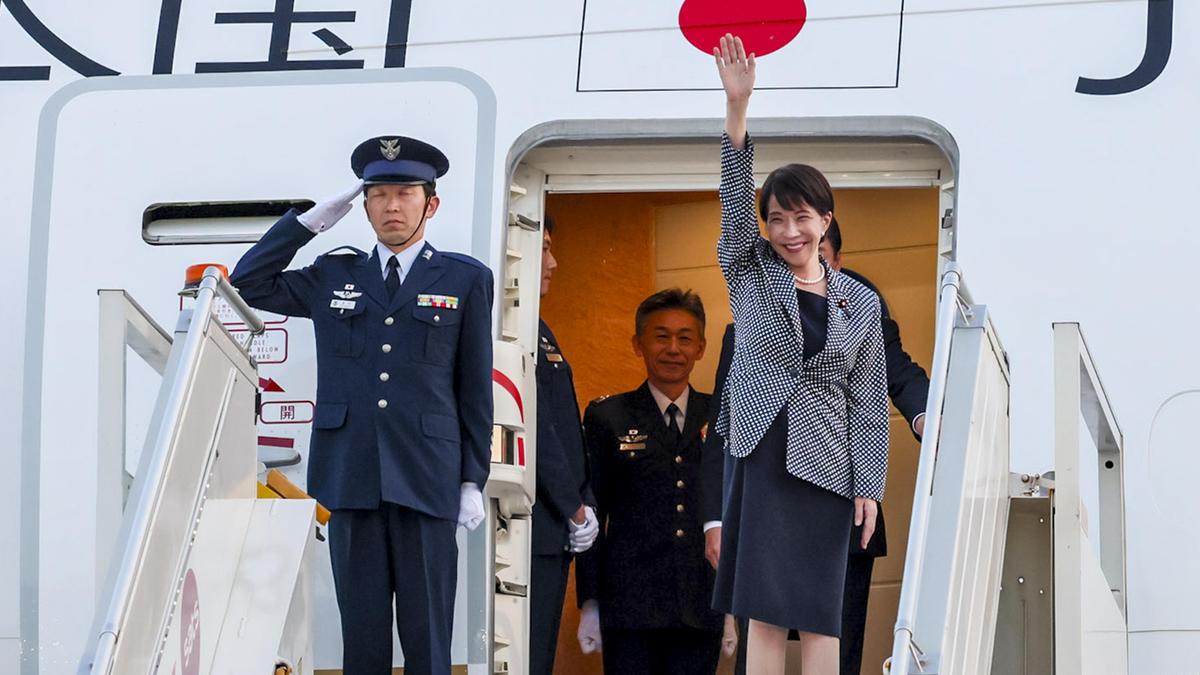
Japanese Prime Minister Sanae Takaichi arrived in New Delhi on her first official visit to India, marking a significant milestone in the growing strategic and economic partnership between the two Asian democracies. The visit underscores the commitment of both nations to strengthening cooperation across a wide range of sectors, including trade, investment, defense, technology, infrastructure, and regional security.
Welcoming the Japanese leader, Prime Minister Narendra Modi expressed his delight at hosting her maiden visit to India, emphasizing the importance of the India-Japan Special Strategic and Global Partnership. In his welcome message, Modi highlighted the longstanding friendship between the two countries and conveyed confidence that the visit would inject fresh momentum into bilateral ties.
The high-profile visit comes at a time when India and Japan are seeking to further expand cooperation in the Indo-Pacific region while addressing emerging geopolitical and economic challenges. Officials from both governments described the visit as an opportunity to review existing collaborations and chart an ambitious roadmap for future engagement.
Strengthening a Trusted Partnership
India and Japan have shared decades of close diplomatic relations, with their partnership evolving into one of the most important strategic relationships in Asia. Over the years, both countries have consistently expanded cooperation in areas such as economic development, infrastructure projects, maritime security, defense exchanges, clean energy, digital transformation, and people-to-people ties.
During the visit, the two leaders are expected to discuss ways to accelerate ongoing infrastructure projects, encourage greater Japanese investments in India, and strengthen collaboration in emerging technologies such as artificial intelligence, semiconductors, green hydrogen, and advanced manufacturing.
The discussions are also likely to focus on supply chain resilience, innovation, and sustainable development as both nations seek to diversify economic partnerships amid changing global market conditions.
Focus on Indo-Pacific Security
Security cooperation remains a central pillar of the India-Japan relationship. Both countries have consistently advocated for a free, open, inclusive, and rules-based Indo-Pacific region.
The leaders are expected to exchange views on regional developments, maritime security, and cooperation among like-minded democratic nations. Defense collaboration between India and Japan has steadily expanded through joint military exercises, defense dialogues, intelligence sharing, and increasing interoperability between their armed forces.
Officials believe that enhanced strategic coordination between New Delhi and Tokyo will contribute to regional peace, stability, and economic prosperity. 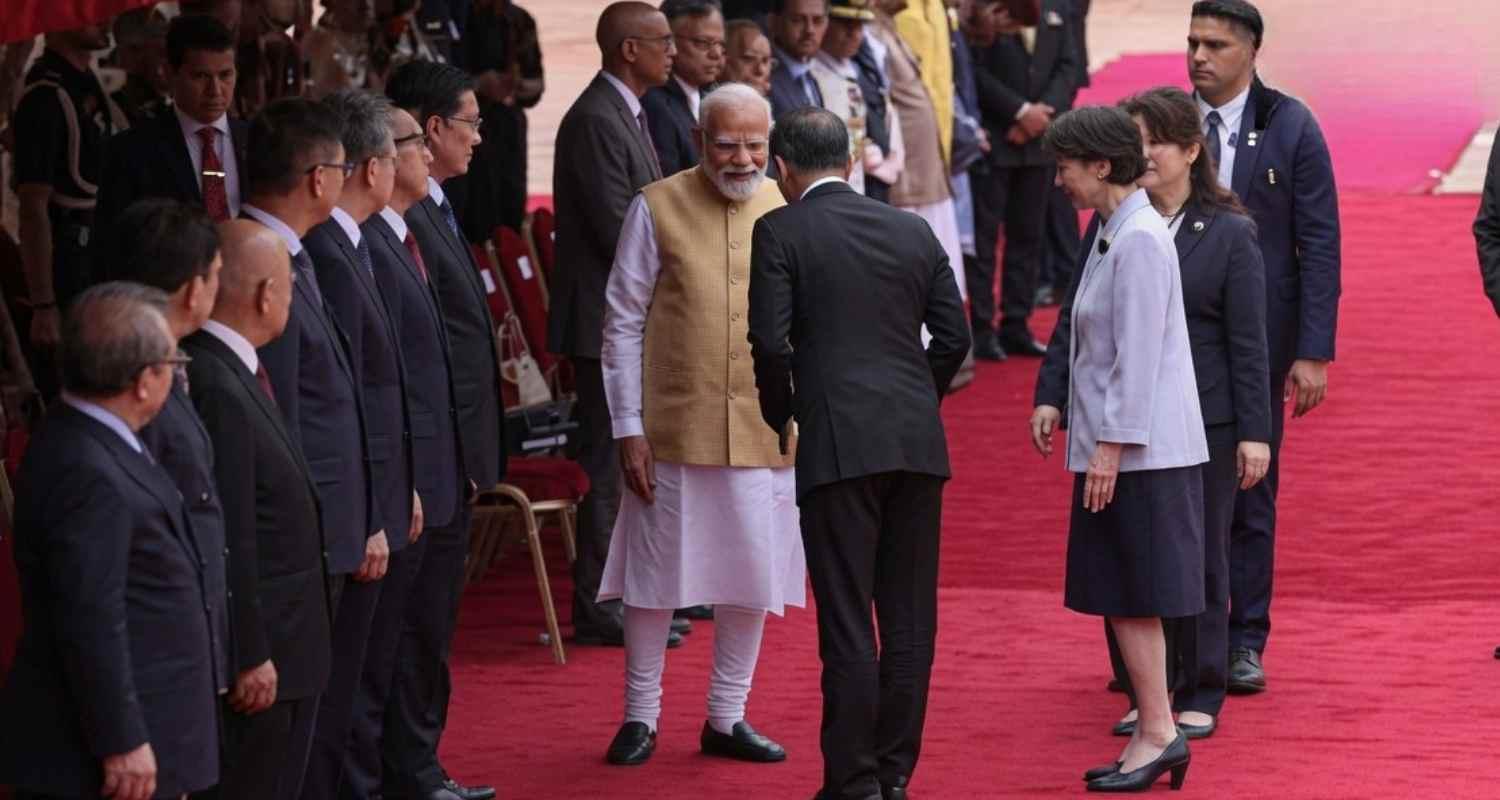
Expanding Economic and Trade Cooperation
Economic engagement is expected to feature prominently during the discussions. Japan remains one of India’s largest foreign investors, supporting major infrastructure initiatives ranging from metro rail systems to industrial corridors and high-speed rail development.
Both governments are expected to explore measures to facilitate greater investment flows, promote manufacturing under India’s industrial initiatives, and create new opportunities for businesses in sectors including renewable energy, electronics, logistics, transportation, pharmaceuticals, and digital infrastructure.
The visit is also likely to encourage stronger collaboration between private industries, startups, research institutions, and technology companies from both countries.
Technology and Innovation Take Centre Stage
Technology cooperation has emerged as one of the fastest-growing dimensions of India-Japan relations. The leaders are expected to discuss expanding collaboration in semiconductor manufacturing, cybersecurity, digital public infrastructure, quantum technologies, robotics, and artificial intelligence.
Experts believe that combining Japan’s technological expertise with India’s rapidly growing innovation ecosystem could generate significant economic opportunities while enhancing competitiveness in global markets.
Climate Action and Sustainable Development
Climate cooperation is another major area expected to receive attention. India and Japan have been working together on clean energy transitions, green technologies, energy efficiency, and sustainable urban development.
The two countries are likely to explore new initiatives in green hydrogen, electric mobility, renewable energy projects, and carbon reduction strategies to support long-term environmental sustainability.
People-to-People and Cultural Relations
Beyond strategic and economic cooperation, both governments continue to place importance on cultural exchanges, educational partnerships, tourism, and academic collaboration.
Thousands of Indian professionals, students, and researchers contribute to Japan’s workforce and innovation sectors, while cultural exchanges continue to strengthen mutual understanding between the two societies.
The leaders are expected to discuss expanding educational opportunities, skill development programs, and cultural initiatives that foster closer connections between their citizens.
Significance of the Visit
Sanae Takaichi’s first visit to India as Prime Minister is being viewed as an important diplomatic engagement that reinforces the enduring trust between New Delhi and Tokyo. The meeting reflects the shared vision of both countries to build a resilient economic partnership, strengthen regional security cooperation, and jointly address global challenges.
With bilateral relations continuing to expand across multiple sectors, the visit is expected to pave the way for new agreements, deeper institutional cooperation, and enhanced strategic coordination in the years ahead.
As India and Japan navigate an increasingly complex geopolitical landscape, the discussions between the two leaders are anticipated to further consolidate one of Asia’s most significant strategic partnerships.