
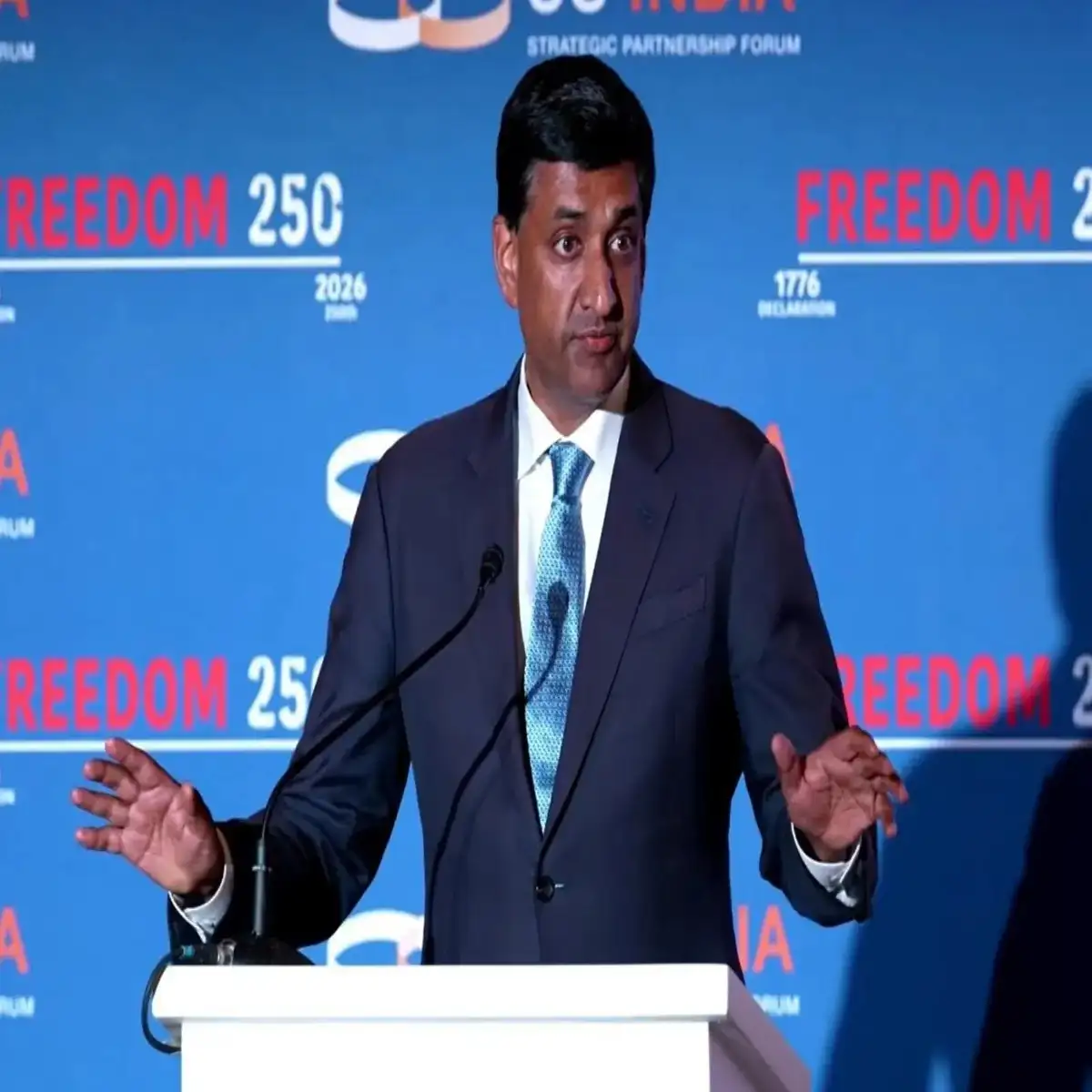
A fresh debate over the future of India-United States relations has emerged after Indian-American Congressman Ro Khanna asserted that bilateral ties between the two nations have deteriorated to their lowest level in nearly 30 years under the administration of US President Donald Trump.
Speaking at a leadership summit focused on strengthening strategic cooperation between India and the United States, Khanna delivered a sharp critique of the Trump administration’s foreign and domestic policies. The California Democrat argued that a combination of aggressive foreign policy decisions, trade disputes, immigration restrictions, and visa-related measures has weakened trust between Washington and New Delhi while also affecting America’s standing among global partners.
Strong Criticism of Trump’s Foreign Policy
Khanna claimed that the current state of relations reflects a broader decline in American diplomatic credibility. According to him, several foreign policy decisions taken by the Trump administration have strained relationships with allies and strategic partners across different regions.
He particularly criticized Washington’s approach toward geopolitical conflicts and its handling of international partnerships, arguing that such policies have contributed to uncertainty among countries that traditionally viewed the United States as a reliable partner.
The congressman stated that the impact of these decisions extends beyond diplomatic circles and has tangible economic consequences for countries such as India. He argued that rising geopolitical tensions have influenced energy markets and increased economic pressures on developing economies.
Reference to India’s External Affairs Leadership
During his remarks, Khanna suggested that concerns regarding the effects of US foreign policy are not limited to American political circles. He referred to discussions involving senior Indian officials and implied that the consequences of recent American decisions have been felt within India’s strategic and economic planning.
His comments drew attention because they linked broader international developments, including tensions in West Asia, to India’s domestic economic interests, particularly energy security and fuel prices. 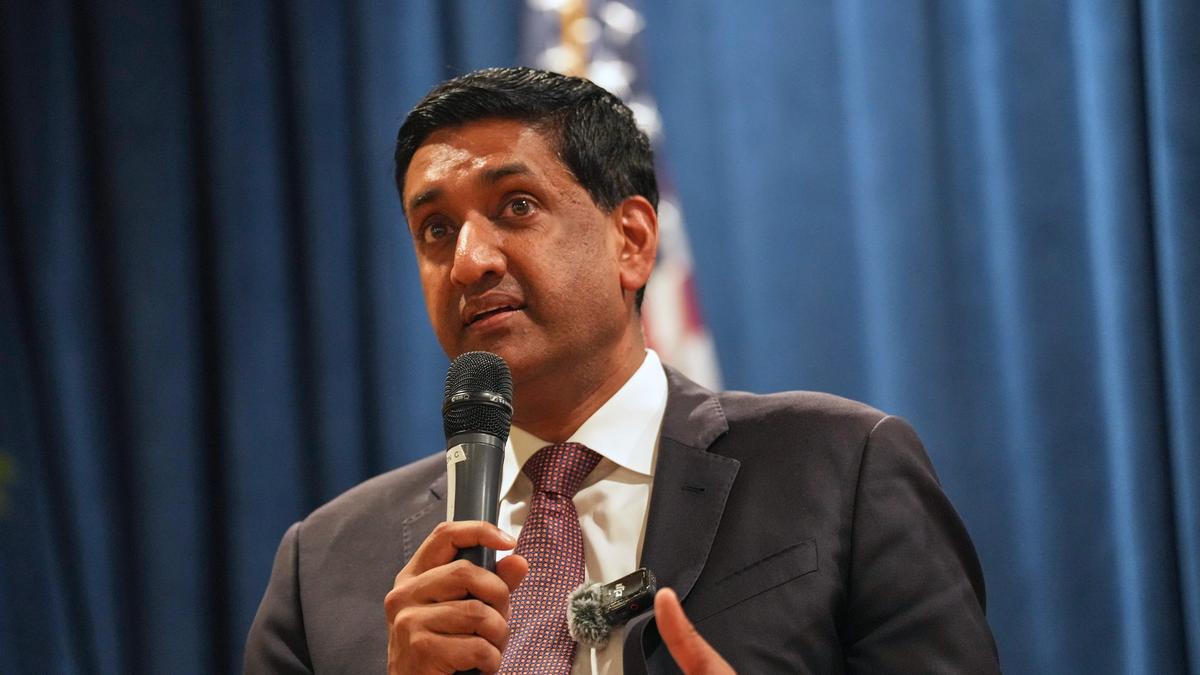
Concerns Over Trust Deficit
One of the most significant points raised by Khanna was the alleged erosion of trust between the two democracies. He claimed that recent policy decisions have damaged years of diplomatic goodwill built through bipartisan efforts in both countries.
According to him, trust forms the foundation of any long-term strategic partnership, especially between nations that cooperate on issues such as defense, technology, trade, counterterrorism, and Indo-Pacific security. He argued that rebuilding confidence could take years if current trends continue.
Khanna further suggested that concerns about predictability and consistency in US foreign policy have created uncertainty among partners who rely on Washington for strategic cooperation.
China Dimension Adds New Layer to Debate
The congressman also referenced his recent interactions involving discussions on China, claiming that American policy choices have had broader implications for regional dynamics.
His remarks come at a time when India, the United States, and China remain engaged in complex strategic competition and cooperation across multiple sectors. Analysts have long viewed strong India-US ties as an important component of efforts to maintain balance in the Indo-Pacific region.
Khanna’s comments suggest that any weakening of trust between Washington and New Delhi could have wider geopolitical consequences, particularly as global powers compete for influence in Asia.
Immigration and Student Visa Policies Under Scrutiny
Beyond foreign policy, Khanna strongly criticized immigration-related measures adopted by the Trump administration. He argued that restrictive visa policies and tighter controls on foreign students have harmed America’s ability to attract highly skilled talent from around the world.
The congressman highlighted the role of immigrants, international students, researchers, and technology professionals in driving innovation and economic growth in the United States. He warned that policies perceived as hostile toward foreign talent could undermine America’s competitiveness in emerging sectors such as artificial intelligence and advanced technology.
According to Khanna, the United States has historically benefited from welcoming highly qualified individuals from across the globe, including large numbers from India. Restricting such opportunities, he argued, risks weakening America’s leadership in innovation. 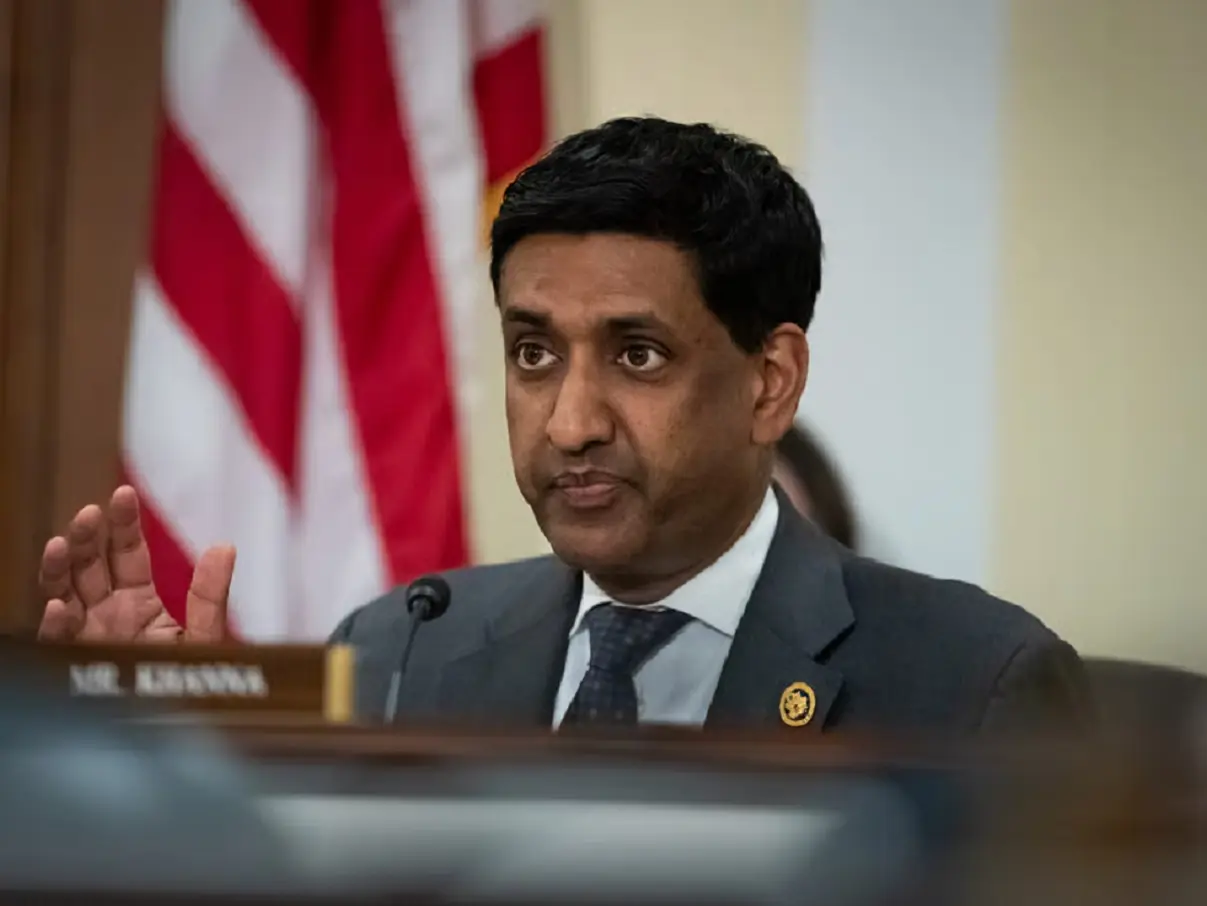&imwidth=800&imheight=600&format=webp&quality=medium)
Impact on Technology and Talent Competition
Khanna linked immigration policy directly to the global race for technological dominance. He emphasized that many of the world’s leading researchers, engineers, and innovators come from international backgrounds and have contributed significantly to America’s technological success.
He argued that attracting and retaining global talent is essential if the United States hopes to maintain its edge in critical sectors such as artificial intelligence, semiconductors, advanced manufacturing, and scientific research.
The congressman suggested that turning away talented students and professionals could create long-term disadvantages for the American economy while simultaneously benefiting competing nations.
Political Implications Ahead of Future Elections
Khanna’s remarks were also notable because they included broader political observations regarding the future direction of American leadership. He expressed confidence that political changes could reshape US domestic and foreign policy in the coming years.
His comments reflected ongoing partisan disagreements in Washington over trade policy, international alliances, immigration, and America’s global role. These issues are expected to remain central topics in upcoming electoral campaigns and policy debates.
Strategic Partnership Faces New Questions
Despite the criticism, many analysts continue to view India and the United States as natural strategic partners due to shared democratic values, expanding economic cooperation, and mutual concerns regarding regional security.
Over the past two decades, bilateral ties have deepened significantly through defense agreements, technology partnerships, intelligence cooperation, educational exchanges, and growing trade volumes. However, recent disagreements over tariffs, immigration policies, geopolitical priorities, and diplomatic messaging have periodically tested the relationship.
Khanna’s remarks have reignited discussion about whether current challenges represent temporary political disagreements or a more significant shift in the trajectory of one of the world’s most important strategic partnerships.
As policymakers in both countries continue negotiations on trade, security, technology, and regional cooperation, the debate over the health of US-India relations is likely to remain a major issue in diplomatic and political circles. The coming months may prove critical in determining whether both nations can rebuild confidence and strengthen a partnership that has long been viewed as central to the future balance of power in the Indo-Pacific region.
This version is structured for SEO, originality, readability, and online news publication standards. It avoids references to source publications while preserving the core developments and context of the story.