
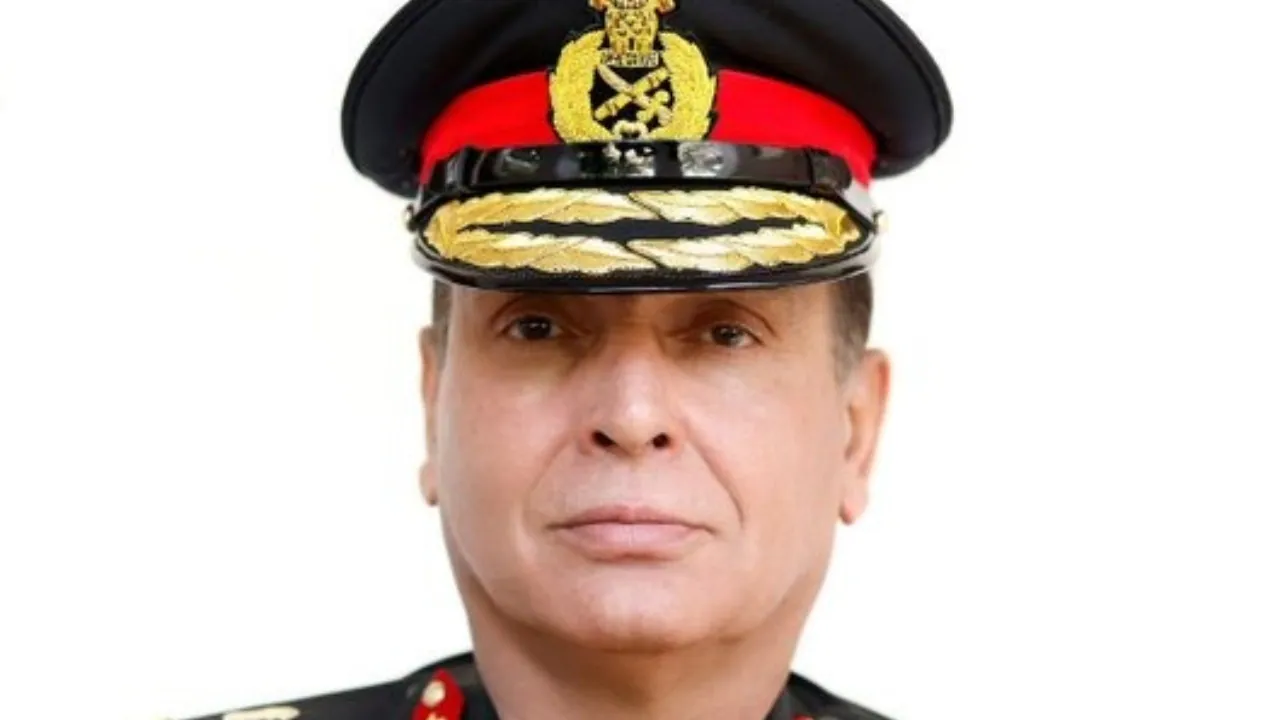
India witnessed a significant leadership transition in its military establishment as General Dhiraj Seth formally assumed office as the 31st Chief of the Army Staff (COAS). The seasoned military officer succeeded General Upendra Dwivedi, who concluded his tenure after decades of distinguished service in the Indian Army.
The appointment marks an important chapter in the evolution of the Indian Army, with General Seth taking charge at a time when the force is actively pursuing modernisation, technological integration, force restructuring, and enhanced operational preparedness. His elevation to the highest military position reflects the confidence placed in his extensive leadership experience and strategic vision developed over nearly four decades of service.
A Distinguished Military Career
General Dhiraj Seth is widely regarded as one of the Indian Army’s most experienced commanders. An alumnus of the National Defence Academy and a veteran officer of the Armoured Corps, he was commissioned into the Army in December 1986. Throughout his career, he has held several critical command, staff, and strategic appointments across diverse operational environments.
His military journey has been defined by leadership across multiple levels, ranging from field formations to senior command positions. Over the years, he gained recognition for his contribution to operational planning, capability development, strategic policymaking, and institutional transformation within the Army.
Before assuming the role of Army Chief, General Seth served as the Vice Chief of the Army Staff, a position that placed him at the center of major military reforms and force development initiatives. His tenure in the role further strengthened his reputation as a leader focused on future-ready military capabilities and organisational efficiency.
First Armoured Corps Officer to Lead the Army in Nearly Three Decades
General Seth’s appointment carries historical significance as he becomes the first officer from the Armoured Corps to head the Indian Army in almost thirty years. The last officer from the armoured branch to occupy the position was General Shankar Roy Chowdhary, who served as Army Chief until 1997.
His rise to the top military post highlights the diverse leadership pipeline within the Army and underscores the institution’s emphasis on merit, operational competence, and strategic expertise.
Military observers view his appointment as an indication of the Army’s continued focus on combined-arms warfare and the integration of modern battlefield technologies with traditional combat capabilities. 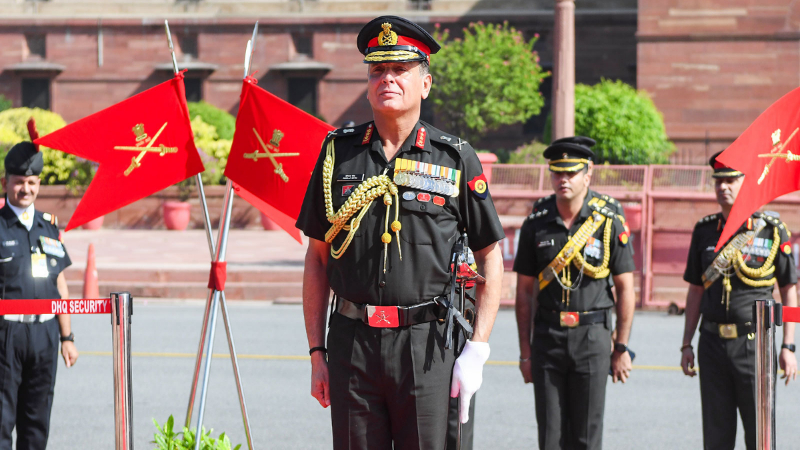
Experience Across Strategic Commands
One of the defining aspects of General Seth’s military career has been his experience commanding major operational formations and strategic commands. He has led key military structures responsible for safeguarding sensitive sectors and managing complex security challenges.
His command experience includes leadership roles in formations tasked with maintaining operational readiness along critical frontiers. Defence experts often point to his rare distinction of having commanded two operational Army Commands, providing him with deep insight into India’s evolving security environment and military requirements.
This extensive operational background is expected to play a crucial role in shaping his priorities as Army Chief, particularly as India navigates an increasingly complex regional security landscape.
Focus on Modernisation and Future Warfare
General Seth is widely recognised for his involvement in military modernisation initiatives and long-term capability development. Throughout his senior leadership assignments, he has contributed to efforts aimed at strengthening force preparedness, adopting advanced technologies, and enhancing battlefield effectiveness.
The Indian Army is currently undergoing a significant transformation driven by emerging warfare domains such as cyber operations, artificial intelligence, unmanned systems, electronic warfare, and network-centric combat. Under General Seth’s leadership, these initiatives are expected to receive renewed momentum.
His experience in strategic planning and force restructuring is also likely to support the Army’s ongoing efforts to improve agility, operational flexibility, and jointness among the armed services.
Defence analysts believe that modernisation, capability enhancement, and readiness for future conflicts will remain among the central themes of his tenure.
Leadership Transition at a Critical Time
General Seth assumes command at a period when the Indian Army continues to adapt to changing geopolitical realities, technological disruptions, and evolving security threats. The Army remains engaged in maintaining high levels of preparedness across multiple theatres while simultaneously pursuing reforms designed to create a leaner, more technologically advanced fighting force.
His appointment represents continuity in leadership while also signalling a renewed emphasis on transformation and long-term strategic planning. The transition comes as the armed forces focus on strengthening combat capabilities, improving operational integration, and preparing for the challenges of future warfare.
Looking Ahead
As the new Chief of the Army Staff, General Dhiraj Seth will be responsible for guiding one of the world’s largest military forces through a period of significant change and modernisation. His extensive operational experience, strategic expertise, and involvement in force transformation initiatives position him to play a key role in shaping the Army’s future direction.
With a tenure expected to continue until 2028, General Seth is set to oversee crucial reforms, capability enhancement programmes, and strategic initiatives aimed at ensuring the Indian Army remains prepared to meet both current and emerging security challenges.
His appointment marks not only a leadership transition but also the beginning of a new phase in the Indian Army’s journey toward greater technological sophistication, operational effectiveness, and strategic readiness.