
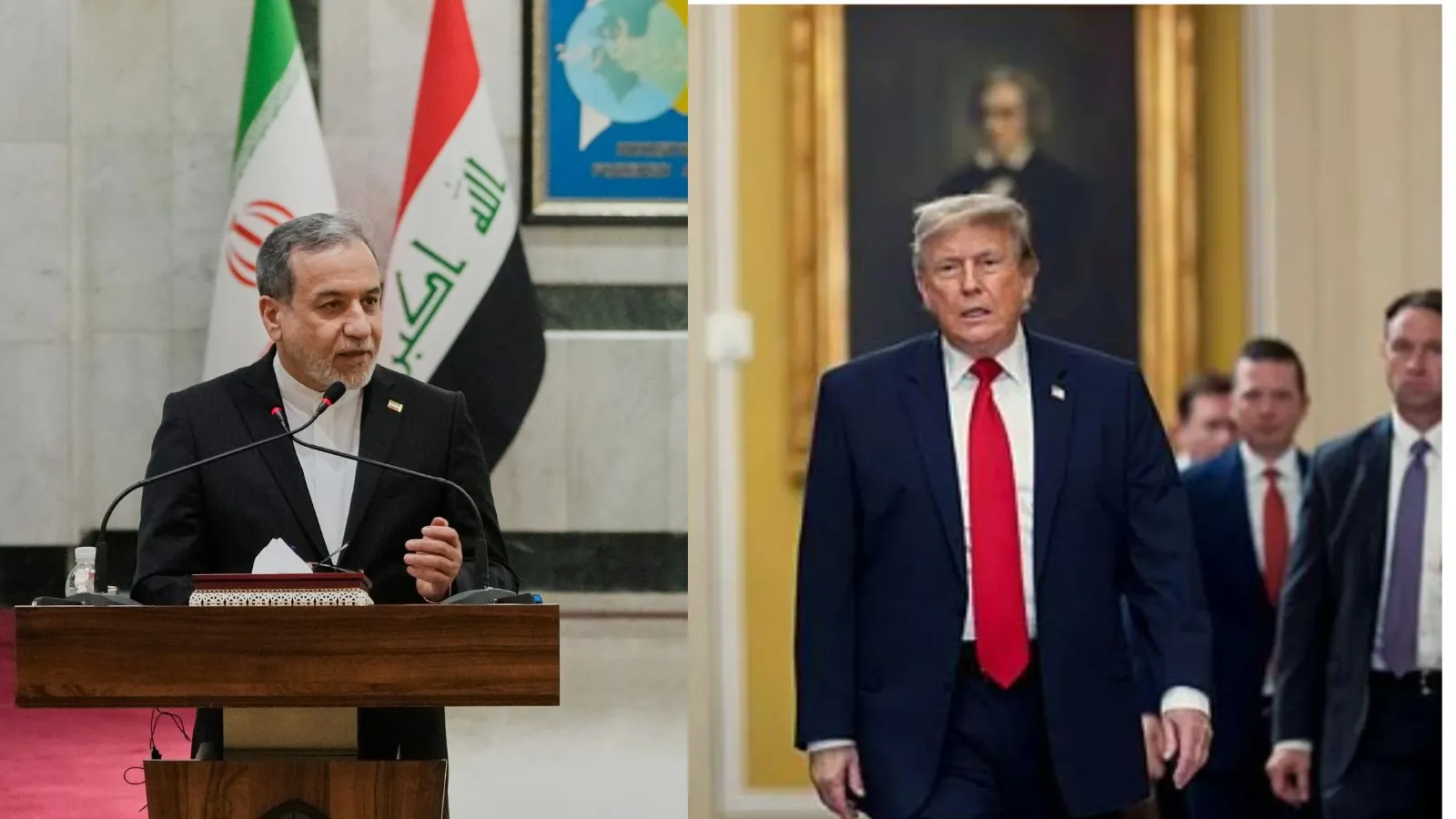
Fresh uncertainty has emerged over the possibility of high-level talks between the United States and Iran in Doha, Qatar, as officials from both countries have delivered conflicting messages regarding whether formal negotiations are set to take place. The confusion has reignited speculation about the future of diplomatic engagement between the two longtime rivals and highlighted the challenges facing efforts to reduce tensions in the Middle East.
The anticipated meeting had attracted significant international attention amid ongoing concerns over Iran’s nuclear activities, regional security issues, and the broader geopolitical balance in the Gulf region. However, contradictory statements from key figures have left observers questioning whether any substantive diplomatic breakthrough is imminent.
Mixed Messages From Washington and Tehran
Reports surrounding the proposed Doha discussions initially suggested that representatives from the United States and Iran could meet in an effort to revive dialogue on several contentious issues. Such talks were viewed as a potentially important step toward reducing friction between the two countries after years of strained relations marked by sanctions, military tensions, and disagreements over Iran’s nuclear ambitions.
However, uncertainty grew after officials from both sides appeared to offer differing accounts regarding the status and purpose of the planned engagement. While some statements indicated that diplomatic channels remained open and discussions were being explored, other remarks suggested that no formal negotiations had been scheduled.
The conflicting narratives have created confusion among diplomats, analysts, and regional stakeholders who have been closely monitoring any sign of renewed communication between Washington and Tehran.
Qatar’s Continuing Role as a Mediator
Qatar has frequently served as an important diplomatic intermediary in regional and international disputes. The Gulf nation has maintained working relationships with both the United States and Iran, enabling it to facilitate communication during periods of heightened tension.
Doha has played a significant role in past negotiations involving regional conflicts, prisoner exchanges, and diplomatic outreach efforts. As a result, any reports of potential US-Iran discussions in the Qatari capital quickly attracted global attention.
Observers note that Qatar’s position as a trusted mediator gives it a unique ability to host sensitive diplomatic engagements, even when official relations between participating nations remain strained. 
Nuclear Concerns Remain Central
At the heart of any potential US-Iran dialogue remains the long-running dispute over Iran’s nuclear program. The issue has been a central source of tension between Tehran and Western governments for years.
International concerns have focused on the pace and scale of Iran’s nuclear activities, while Iranian officials have consistently maintained that their nuclear program is intended for peaceful purposes. Efforts to restore or renegotiate understandings related to nuclear restrictions have faced repeated setbacks, contributing to growing uncertainty about the future of diplomacy.
Experts argue that any meaningful negotiations would likely involve discussions surrounding nuclear oversight, sanctions relief, regional security arrangements, and confidence-building measures aimed at preventing further escalation.
Regional Security Stakes
The uncertainty surrounding the proposed talks comes at a time when the Middle East continues to face multiple security challenges. Ongoing conflicts, maritime security concerns, proxy confrontations, and broader geopolitical rivalries have contributed to a fragile regional environment.
Many governments and international organizations view direct communication between the United States and Iran as an essential tool for preventing misunderstandings and reducing the risk of confrontation. Even limited diplomatic engagement can help manage crises and create opportunities for broader negotiations.
Analysts warn that the absence of dialogue could increase the likelihood of miscalculations, particularly during periods of heightened regional tension.
Political Considerations on Both Sides
Domestic political dynamics in both the United States and Iran also influence the prospects for negotiations. Leaders in both countries must balance diplomatic objectives with internal political pressures, public opinion, and strategic considerations.
Any decision to engage in formal talks carries significant political implications, particularly given the history of mistrust that has characterized US-Iran relations for decades. As a result, officials often approach negotiations cautiously, carefully managing public messaging while evaluating diplomatic opportunities behind the scenes.
The conflicting statements regarding the Doha discussions may reflect the complex political calculations taking place within both governments as they assess the risks and benefits of renewed engagement.
International Community Watches Closely
Global powers and regional allies are closely monitoring developments surrounding the proposed talks. Many countries have expressed support for diplomatic solutions to disputes involving Iran, emphasizing the importance of dialogue in maintaining regional stability.
The outcome of any future engagement could have implications far beyond bilateral relations. Progress in diplomacy may influence energy markets, regional security partnerships, international sanctions policies, and broader geopolitical dynamics across the Middle East.
Conversely, continued uncertainty or a breakdown in communication could complicate efforts to address longstanding disputes and increase concerns about future instability.
Outlook Remains Unclear
For now, the status of the reported US-Iran talks in Doha remains uncertain. Conflicting messages from officials have left key questions unanswered regarding whether formal negotiations will occur, what topics would be discussed, and what outcomes might realistically be achieved.
Despite the confusion, diplomatic observers believe that communication channels between the two sides remain important, particularly given the complex challenges facing the region. Whether the proposed Doha discussions materialize or not, the episode underscores both the difficulties and the necessity of sustained diplomacy in addressing one of the world’s most consequential geopolitical relationships.
As governments, analysts, and international stakeholders continue to monitor developments, attention remains focused on whether the uncertainty surrounding the proposed talks will eventually give way to a clearer path toward dialogue and potential de-escalation.